What is New Zealand Pilsner beer? It’s a crisp, golden lager that carries the unmistakable aromatics of New Zealand’s signature hop varieties — think passionfruit, fresh lime zest, white grape, and a flinty mineral edge that sets it apart from anything produced in Bohemia or Bavaria. This is a pilsner reimagined through the lens of the Southern Hemisphere, where the brewing traditions of European settlers collided with one of the world’s most distinctive hop-growing regions to produce something genuinely new on the map.
This expedition maps the origins of the New Zealand Pilsner — its geographic roots in the Nelson and Tasman regions, its emergence as a defined craft style in the early 2000s, and its current standing as one of the Pacific Rim’s most exciting lager traditions. If you want to brew one yourself, head to our How to Brew New Zealand Pilsner at Home guide. Or explore what to put on the table beside a cold glass in our New Zealand Pilsner Food Pairing Guide.
The Geography: Nelson, Marlborough, and the Ends of the Earth
New Zealand sits roughly 2,000 kilometers southeast of Australia, isolated enough that its agricultural ecosystems evolved along lines found nowhere else. The South Island’s Nelson and Tasman regions, at the top of the island and sheltered by the Richmond Range, offer the kind of deep alluvial soils, long sunshine hours, and cool evening temperatures that hop cultivation demands. Nelson has been producing hops since the 1840s, when European settlers — many of them from hop-growing regions of England and Germany — recognized the land’s potential almost immediately.
The key to the New Zealand Pilsner is this terroir. Varieties like Nelson Sauvin, Motueka, Riwaka, and Pacific Jade carry flavor compounds not found in European or American hops at comparable concentrations. Nelson Sauvin, developed by Plant & Food Research (formerly HortResearch) and released commercially around 2000, contains high concentrations of the thiols that give Sauvignon Blanc its tropical and gooseberry character. It was named for that wine grape for a reason. Brewers working with New Zealand hops quickly understood they were handling something categorically different from Saaz or Hallertau — the flavors demanded a different approach.
The History: Lager Roots, Craft Reinvention
New Zealand’s brewing history is conventionally the story of industrial lager — DB Breweries and Lion Nathan dominated the twentieth century with clean, mainstream lagers marketed to a beer-drinking culture that valued ice-cold refreshment over complexity. Bohemian pilsner traditions arrived with German and Czech immigrants but were largely subsumed into mass production by the postwar decades.
The craft beer revolution arrived in New Zealand later than in the United States but moved with some speed once it began. The late 1990s and early 2000s saw the first wave of serious craft breweries establishing themselves — Epic Brewing (Auckland, 2006) and Garage Project (Wellington, 2011) among them, with Renaissance Brewing (Blenheim, mid-2000s) also playing a central role. These brewers had access to the exceptional Nelson and Tasman hop harvests, and they began experimenting with hop-forward lagers that used the new New Zealand varieties as a defining character element rather than a background detail.
The New Zealand Pilsner as a recognized style coalesced gradually. The SOBA (Society of Beer Advocates) reportedly helped distinguish the style from generic pilsner categories in competition settings, and international recognition followed as export beers like Garage Project’s Pils and Epic Lager found audiences abroad. The defining characteristic that unified these beers was always the New Zealand hop — specifically the tropical, wine-like aromatics of varieties grown in the top of the South Island. Without those hops, the beer reverts to simply being a pilsner.
The style has since earned recognition from competition bodies internationally, distinguishing New Zealand Pilsner from Czech and German pilsner traditions by its hop variety and associated flavor profile. This wasn’t a style invented by a committee — it was a codification of what brewers and drinkers had already recognized for years on the ground in Wellington, Auckland, and Christchurch.
What is New Zealand Pilsner Beer? Taste, Aroma, and Appearance
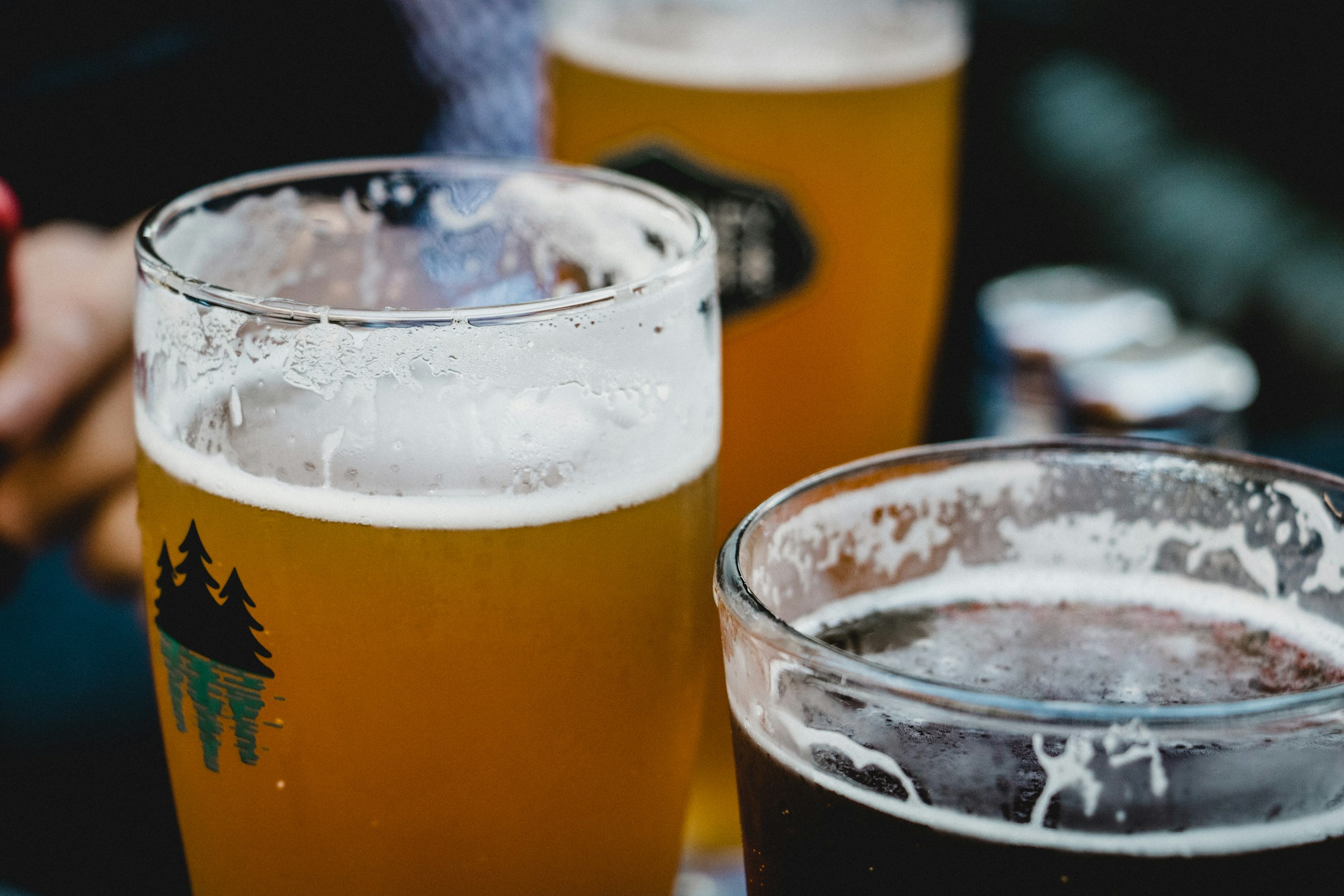
Appearance: New Zealand Pilsner pours a pale straw to light gold, with exceptional clarity when properly lagered. The head is white, fine-bubbled, and persistent — a hallmark of good lager technique. The beer should look bright and inviting in the glass, with the effervescence of lager carbonation visible through its clarity.
Aroma: This is where New Zealand Pilsner announces itself. The hop bouquet is the dominant and defining feature: passionfruit, fresh lime, white grape, gooseberry, and a distinctive flint or white wine quality from the thiols in Nelson Sauvin and Riwaka. The malt provides a clean, lightly grainy backdrop — a subtle sweetness that lets the hops carry. A version using Motueka will lean toward lime and lemongrass; one featuring Nelson Sauvin will emphasize white wine and tropical fruit. Either way, the aroma distinguishes it immediately from its European cousins.
Flavor: The palate is crisp and clean with moderate bitterness — typically 25–45 IBUs — that is firm but not harsh. The hop flavor mirrors the aroma, with tropical and citrus notes predominating, and finishes with a dry, moderately bitter close that invites the next sip. The malt character is restrained: light, bready, and present mainly as a frame for the hops. There is no diacetyl, no sulfur, no off-flavors — clean lager fermentation is non-negotiable.
Mouthfeel: Light to medium body with high carbonation. The beer feels crisp and lively on the palate. Lagering at cold temperatures for several weeks produces the smooth, rounded mouthfeel that distinguishes well-made lager from quickly produced alternatives.
ABV: Typically 4.5–5.8%, placing it squarely in the sessionable-to-standard range. Most commercial examples sit around 5.0%.
The style is recognized by international competition bodies as a distinct category within the broader specialty lager landscape, defined by the use of New Zealand hop varieties and their associated tropical and wine-like aromatics.
The Ingredients That Make New Zealand Pilsner Unique
The defining ingredient is the hop — specifically the cultivars bred and grown in New Zealand’s Nelson and Tasman regions. Nelson Sauvin is the flagship: a dual-purpose variety with unusually high levels of polyfunctional thiols (compounds also found in Sauvignon Blanc) that produce its signature white wine and tropical fruit character. Riwaka, bred from Saaz parent stock, contributes fresh lime zest and a citrus crispness. Motueka (also derived from Saaz) offers lime and lemongrass, a tropical take on the noble hop lineage. Pacific Jade brings a more herbal, citrus-peel quality.
The malt bill is simple by design: Pilsner malt makes up the grain bill, sometimes with a small addition of Vienna or Munich for a touch of color and bready character. The New Zealand Pilsner does not use adjuncts or specialty malts that would compete with the hops — the grain is a stage, not a performer.
Water chemistry matters here too. The Nelson region’s soft water suits hoppy lager production well, and brewers targeting the style typically build their water profile to keep sulfates moderately elevated to sharpen hop bitterness, while keeping bicarbonates low to maintain crispness and avoid muddy hop flavors.
Commercial Examples Worth Seeking Out
- Garage Project Pils (Wellington, New Zealand) — One of the benchmark examples, showcasing Nelson Sauvin in a clean, well-lagered framework. Exported and available in select international markets.
- Epic Lager (Auckland, New Zealand) — Epic Brewing’s flagship lager, which helped define the commercial New Zealand Pilsner category in the early 2000s and remains a touchstone of the style.
- Panhead Custom Ales Port Road Pilsner (Upper Hutt, New Zealand) — A widely available and well-regarded NZ Pilsner that showcases the tropical hop character of the style in an approachable, sessionable format.
- Renaissance Marlborough Pilsner (Blenheim, New Zealand) — From the heart of hop country, Renaissance’s pilsner emphasizes the regional terroir with a clean, dry presentation.
- Emerson’s Pilsner (Dunedin, New Zealand) — Emerson’s is one of New Zealand’s founding craft breweries, and their pilsner is a clean, approachable version of the style that has introduced many drinkers to New Zealand hops.
- Tuatara Pilsner (Paraparaumu, New Zealand) — A well-established craft pilsner from one of New Zealand’s longer-running craft breweries, offering a balanced expression of NZ hop aromatics.
How Does New Zealand Pilsner Compare to Similar Styles?
New Zealand Pilsner is often grouped with other pilsner traditions, but its differences are significant enough to warrant separate consideration.
Czech Bohemian Pilsner uses Saaz hops almost exclusively, producing an herbal, spicy, mildly bitter character with a rich, rounded malt body. The New Zealand version is drier, more aromatic, and fruit-forward where the Czech version is herbal and round. They share a commitment to clean lager fermentation, but the hop personality is entirely different.
German Pilsner (Northern German style) runs drier and more bitter than Czech pilsner, with a pronounced bready malt note and slightly sulfurous character from the water. New Zealand Pilsner is comparably dry but replaces the German hop character (typically Hallertau or Tettnang varieties) with tropical and citrus aromatics.
American Craft Pilsner is the closest relative in approach — American craft brewers have similarly explored using distinctly American or Southern Hemisphere hops in a pilsner framework. The distinction is the hop variety: a New Zealand Pilsner specifically calls for New Zealand cultivars. Substituting Citra or Mosaic produces a different beer.
New Zealand Pilsner represents something rare in beer: a genuinely new style that emerged not from ancient tradition but from the intersection of European technique, isolated terroir, and deliberate craft innovation. The Nelson and Tasman hop yards produced ingredients that demanded their own category, and the brewers who used them built that category one batch at a time.
Ready to go deeper? – How to Brew New Zealand Pilsner Beer at Home → – New Zealand Pilsner Beer Food Pairing Guide →
Brew Cartographer explores the history, geography, and craft of rare and forgotten beer styles. Subscribe to our newsletter for new expeditions every week.