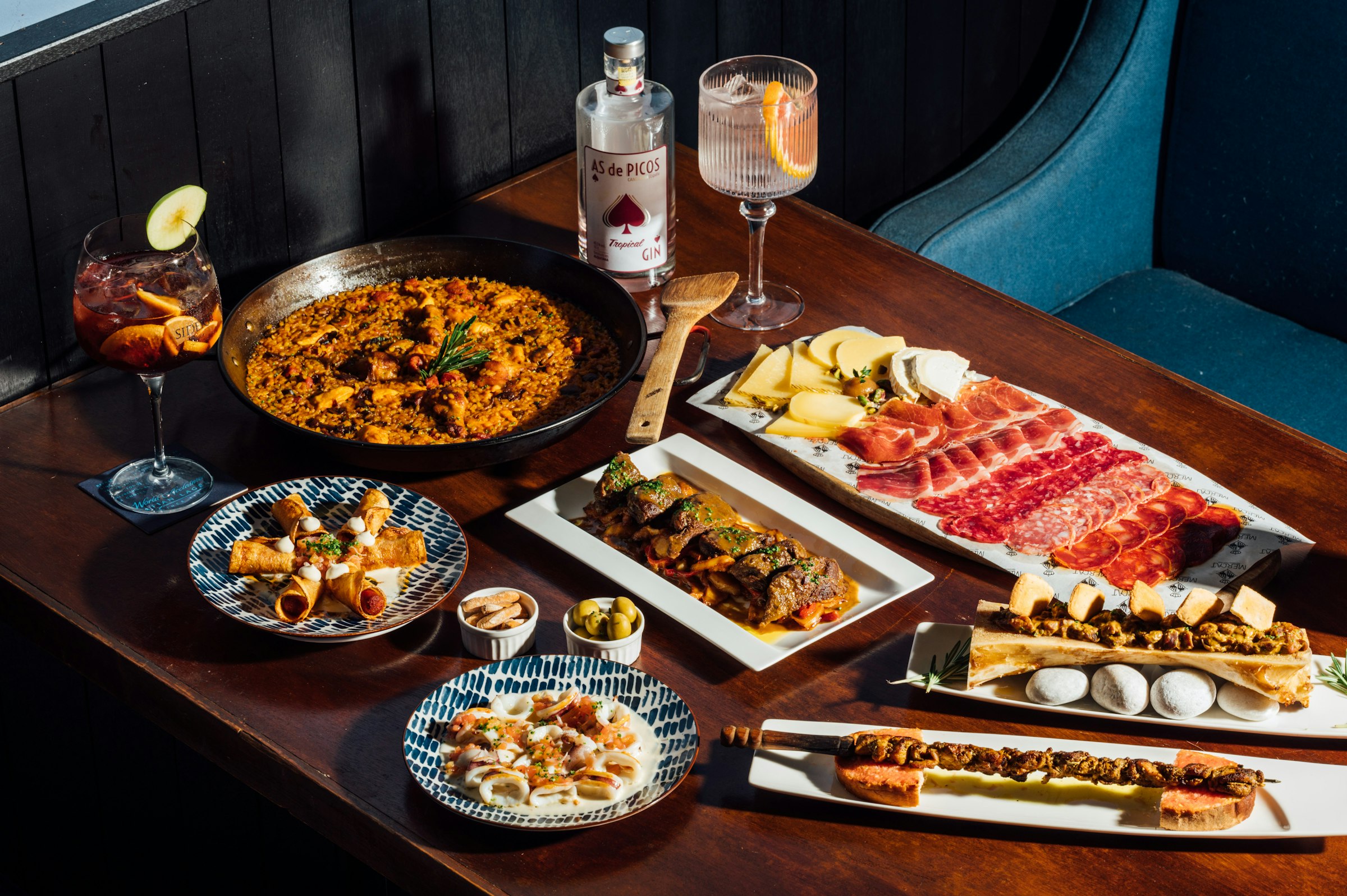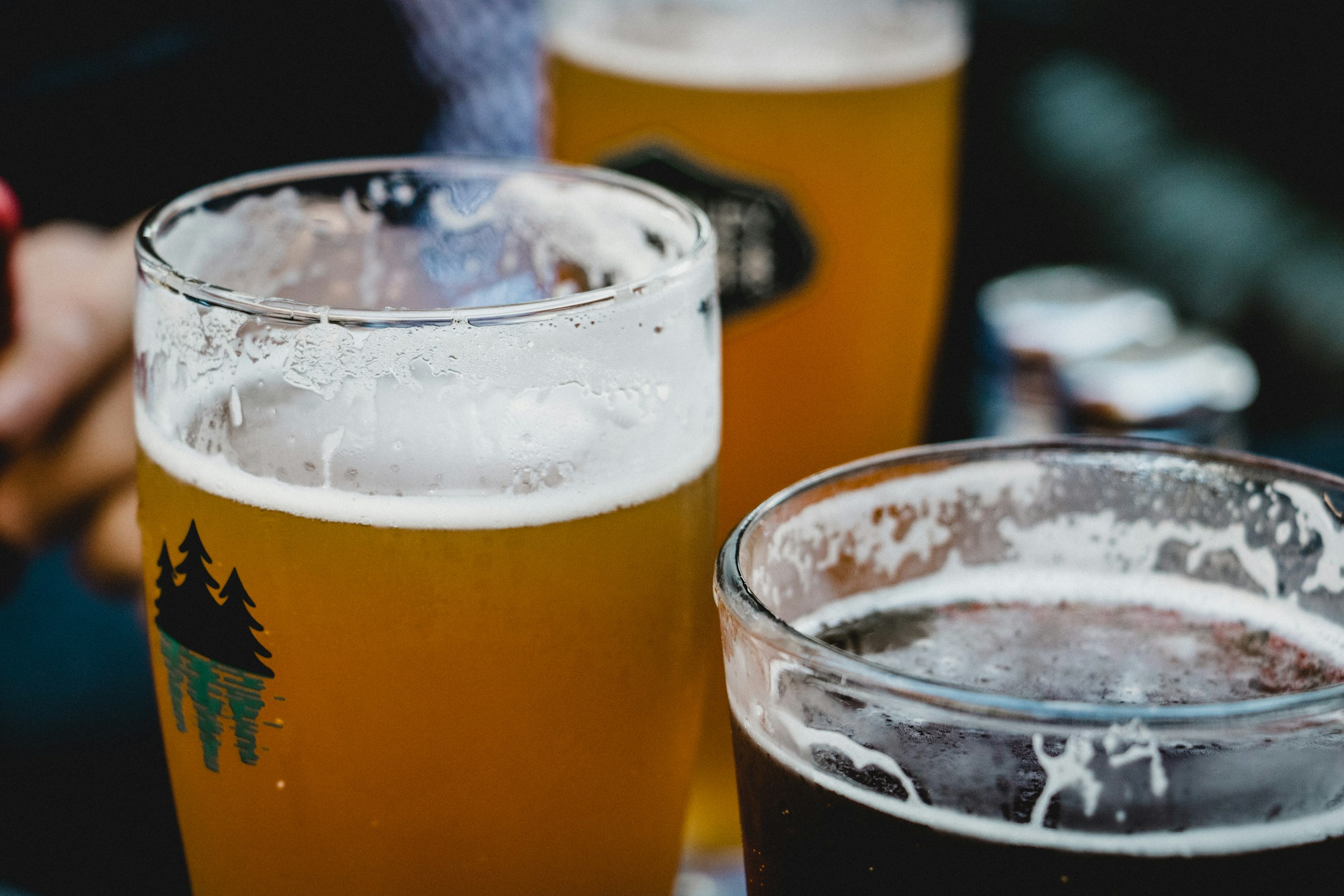
How to brew Mediterranean lager beer at home is a question that rewards the patient homebrewer — this is a lager in the fullest sense, demanding cold fermentation, a proper diacetyl rest, and weeks of cold conditioning before it shows its best. The good news is that the recipe is straightforward: a simple grain bill of Pilsner malt and flaked rice, a moderate noble hop addition, a clean lager yeast, and the discipline to let time and cold do their work. From grain to glass, expect eight to ten weeks — but what emerges is one of brewing’s most satisfying rewards: a beer that is genuinely hard to stop drinking.
This guide covers everything needed to brew a 20-liter (5.3 US gallon) batch of Mediterranean lager — the pale, rice-bright style typified by Estrella Damm and Moritz of Barcelona. For the history and character of the style, see What is Mediterranean Lager Beer? →. For food pairing ideas, see the Mediterranean Lager Food Pairing Guide →.
Target Specifications
| Parameter | Target |
|---|---|
| Original Gravity | 1.046–1.050 |
| Final Gravity | 1.006–1.010 |
| ABV | 4.8–5.4% |
| IBU | 12–18 |
| SRM | 2–3 (very pale straw) |
| Carbonation | 2.4–2.6 volumes CO₂ |
| Batch size | 20 liters (5.3 US gallons) |
| Timeline | 8–10 weeks grain to glass |
Ingredients
Grain Bill
- Weyermann Pilsner Malt , 3.6 kg (7.9 lb): The backbone of the beer. Weyermann’s German Pilsner malt is lightly kilned (around 1.5–2 EBC) and gives a clean, slightly sweet base that the rice and yeast will dry out completely. Substitute with any quality Continental Pilsner malt — avoid British pale ale malt, which adds too much color and toasty character.
- Flaked Rice , 750 g (1.65 lb): The key adjunct — roughly 17% of the total grist. Flaked (pre-gelatinized) rice requires no separate cereal mash and converts fully in a standard infusion mash alongside the Pilsner malt. It contributes fermentable sugars without flavor, lightens the body, and produces the notably dry, clean finish that defines the style. Raw rice requires a cereal mash and is not recommended for homebrewers without that equipment.
Total grain bill: 4.35 kg (9.6 lb)
Hops
- Saaz , 25 g (0.88 oz) at 60 minutes: The backbone bittering addition. Saaz contributes 12–15 IBU here and its characteristic spicy, floral, slightly herbal character is appropriate to the style. Hallertau Mittelfrüh or Tettnang are acceptable substitutes if Saaz is unavailable.
- Saaz , 15 g (0.53 oz) at 10 minutes: A small late addition for aroma — gentle and floral, not assertive. Total IBU: approximately 14–16.
Adjuncts
- Flaked Rice — listed in grain bill above. No other adjuncts required for the base recipe.
Water
Aim for soft to moderately hard water with low sulfate. A target of 50–75 ppm calcium, under 50 ppm sulfate, and under 50 ppm chloride will suit the style. If your water is very hard or mineral-heavy, use reverse osmosis water and build up from scratch. A small addition of calcium chloride (about 2–3 g per 20 liters / 5.3 US gallons) can enhance malt smoothness if desired.
Yeast
Choose one of the following — not both:
- Wyeast 2124 Bohemian Lager or White Labs WLP830 German Lager : The preferred choice for the most authentic result. Wyeast 2124 ferments optimally at 8–12°C (46–54°F); White Labs WLP830 performs best at 11–13°C (52–55°F) — adjust your fermentation temperature accordingly. Both produce a clean, neutral profile that lets the rice adjunct and Pilsner malt character come through without ester interference.
- Fermentis Saflager W-34/70 : An excellent dry lager yeast option — widely available, reliable, and produces a very clean profile. Ferment at 9–12°C (48–54°F). Suitable for brewers without access to liquid yeast or those working in smaller volumes where pitching rate management is simpler.
Equipment
Beyond a standard homebrew setup, brewing a lager requires:
- Temperature-controlled fermentation chamber or chest freezer with inkbird temperature controller : Cold fermentation at 9–12°C (48–54°F) is non-negotiable. A converted chest freezer or mini-fridge with an external temperature controller is the most common homebrewer solution. Without temperature control, consider a kveik-based pseudo-lager variation instead (see Variations).
- Wort chiller : Getting wort down to pitching temperature (around 10°C / 50°F) quickly is important. An immersion chiller works; a counterflow or plate chiller is faster and easier to sanitize thoroughly.
- Adequate yeast pitch: Lagers require a higher pitching rate than ales — roughly 1.5–2 million cells per mL per degree Plato. For a 1.048 OG, 20-liter batch, prepare a 1.5–2 liter yeast starter if using liquid yeast. Dry yeast (W-34/70) can be pitched directly at the manufacturer’s recommended rate without a starter.
How to Brew Mediterranean Lager Beer: The Process Step by Step
Step 1 — Mash: Mash at 63–65°C (145–149°F) for 60 minutes. The lower end of this range (63°C / 145°F) favors fermentability and produces a drier, crisper finish closer to commercial examples. Target a mash pH of 5.2–5.4, with 5.2–5.3 preferred for this very pale grain bill. Add the flaked rice directly to the mash alongside the Pilsner malt — it converts without any separate treatment. At the end of mashing, perform an iodine test to confirm full starch conversion before lautering.
Step 2 — Lauter and Sparge: Lauter slowly to preserve clarity. Sparge with water at 75–77°C (167–171°F) to reach your pre-boil volume of approximately 25 liters (6.6 US gallons). Avoid sparging above 77°C (171°F) to prevent tannin extraction from the grain husks.
Step 3 — Boil: Boil for 60–75 minutes. Add the first Saaz addition (25 g / 0.88 oz) at the start of the boil for bitterness. Add the second Saaz addition (15 g / 0.53 oz) with 10 minutes remaining for aroma. Maintain a vigorous, uncovered rolling boil throughout — this is particularly important with Pilsner malt, which contains higher levels of DMS (dimethyl sulfide) precursors. A vigorous, uncovered boil for the full duration drives off this precursor and prevents the cooked-corn off-flavor in the finished beer.
Step 4 — Chill and Pitch: Chill the wort rapidly to 10°C (50°F) or below before pitching. Pitch the prepared yeast starter (or hydrated dry yeast) at 9–10°C (48–50°F). Oxygenate the chilled wort well before pitching — lager yeast needs adequate oxygen for a healthy fermentation. Shake the fermenter vigorously or use an aquarium pump with a sanitized stone.
Step 5 — Primary Fermentation: Ferment at 9–11°C (48–52°F) — or 11–13°C (52–55°F) if using WLP830 — for approximately 10–14 days. Lager fermentation is slower than ale fermentation; activity may not appear for 24–36 hours. Maintain a stable temperature throughout. Monitor gravity rather than following a fixed day count: proceed to the diacetyl rest when gravity is within 2–3 points of terminal.
Step 6 — Diacetyl Rest: Once fermentation is nearly complete, raise the temperature to 18°C (64°F) and hold for 48 hours. This allows the yeast to reabsorb diacetyl — a compound that produces an off-flavor resembling butterscotch or artificial butter. Skipping this step is the most common cause of diacetyl in homebrewed lagers. After the diacetyl rest, confirm gravity has reached terminal (around 1.007–1.008 for this recipe), then proceed to lagering.
Step 7 — Lagering (Cold Conditioning): Slowly drop the temperature to 0–2°C (32–36°F) over 24–48 hours. Hold at this temperature for a minimum of four weeks — six to eight weeks will produce noticeably better clarity and a smoother, rounder finish. This extended cold conditioning period is what distinguishes a genuine lager from a cold-fermented ale. Yeast flocculates and drops out of suspension, the beer clarifies, and the flavor rounds out.
Step 8 — Packaging: Package the finished beer via kegging (target 2.4–2.6 volumes CO₂) or bottle conditioning. For bottle conditioning, use a priming calculator (such as Brewer’s Friend or Brew United) to determine the correct sugar addition — at lagering temperature (0–2°C / 32–36°F), significant dissolved CO₂ is already present in the beer, and standard ale priming rates will result in overcarbonation. Typically 3–3.5 g/L of table sugar is appropriate when priming from lagering temperature to reach 2.4–2.6 volumes CO₂. Always calculate for your specific temperature rather than applying a fixed rate.
Recipe Summary
| Item | Metric | US |
|---|---|---|
| Weyermann Pilsner Malt | 3.6 kg | 7.9 lb |
| Flaked Rice | 750 g | 1.65 lb |
| Saaz (60 min) | 25 g | 0.88 oz |
| Saaz (10 min) | 15 g | 0.53 oz |
| Lager Yeast (W-34/70 or WLP830) | per packet | per packet |
| Mash Temperature | 63–65°C | 145–149°F |
| Mash pH | 5.2–5.4 | 5.2–5.4 |
| Mash Duration | 60 min | 60 min |
| Boil Duration | 60–75 min | 60–75 min |
| Primary Fermentation Temp | 9–11°C (WLP830: 11–13°C) | 48–52°F (WLP830: 52–55°F) |
| Diacetyl Rest Temp | 18°C | 64°F |
| Lagering Temp | 0–2°C | 32–36°F |
| Lagering Duration | 4–8 weeks | 4–8 weeks |
| Batch Size | 20 liters | 5.3 US gallons |
| Target OG | 1.048 | 1.048 |
| Target FG | 1.007–1.008 | 1.007–1.008 |
| IBU | ~15 | ~15 |
| SRM | 2–3 | 2–3 |
| ABV | ~5.2% | ~5.2% |
Troubleshooting
Diacetyl (butterscotch off-flavor): The most common lager flaw. Cause: incomplete diacetyl rest, or not allowing the beer to warm up to 18°C (64°F) for long enough after primary fermentation. Solution: perform a proper 48-hour diacetyl rest on every batch. If diacetyl appears in a finished beer, bring it back to room temperature, rouse the yeast slightly, and hold for another 48 hours before re-chilling.
DMS (cooked corn or creamed corn aroma): Caused by insufficient boil vigor with Pilsner malt, covering the kettle during the boil, or chilling too slowly. Solution: maintain a rolling boil with the lid off, and chill rapidly post-boil. A longer boil (75 minutes) further reduces DMS risk.
Sulfur smell: Normal for some lager yeast strains — W-34/70 is particularly prone to hydrogen sulfide production. This will dissipate with time and CO₂ purging during active fermentation. Allow the beer to vent during fermentation and condition at serving temperature for a few days after packaging if sulfur persists.
Thin mouthfeel: The rice adjunct deliberately lightens the body — some thinness is characteristic of the style. If the body seems too thin even by style standards, reduce the rice to 10–12% of the grist, or raise the mash temperature slightly to 65–66°C (149–151°F) to increase residual dextrins.
Haze in the finished beer: Chill haze (appears cold, clears warm) is common in lagers that haven’t lagered long enough. Extend lagering time or use a beer clarifier such as Biofine Clear added at the start of lagering. Permanent haze may indicate protein haze or wild yeast contamination.
Stalled fermentation: Lager yeast is slower than ale yeast, and temperatures below 9°C (48°F) can slow fermentation significantly. Raise fermentation temperature by 1–2°C (2–4°F) and rouse the fermenter gently. If using dry yeast, underpitching is a common cause — ensure full rehydration or use two packets for larger batches.
Variations to Try
Kellerbier-style Mediterranean Lager: Skip the extended lagering phase and serve unfiltered after the diacetyl rest. The beer will be hazier and yeastier, with a fuller, slightly rough-edged character — appealing to craft beer fans who enjoy the rawness of fresh lager. Reduce lagering to one week before packaging.
Citrus Variant: Add 50 g (1.75 oz) of dried lemon peel or orange peel at flameout and allow to steep during chilling. This nods toward the flavored lager variants some Catalan breweries produce while staying within a recognizable lager framework.
Higher-Rice Version: Increase flaked rice to 25–30% of the grist for a lighter, even drier beer that pushes toward a Japanese rice lager profile. Reduce Pilsner malt proportionally. IBU can be reduced to 10–12 for a more restrained finish.
Smoked Caña: Replace 5% of the Pilsner malt with Weyermann Rauchmalz (beechwood-smoked malt) for a whisper of smoke. The smoke is barely perceptible at this level but adds a faint depth that pairs well with grilled meats.
Kveik Pseudo-Lager: For brewers without temperature control, ferment with Lallemand Voss Kveik at 18–22°C (64–72°F). Note that Voss produces prominent orange-citrus esters that create a noticeably fruity beer — a different style than the authentic Mediterranean lager, but interesting in its own right. Cold-crash for two weeks before packaging for clarity.
Brewing a proper Mediterranean lager asks more of you than most homebrew styles — the cold fermentation, the diacetyl rest, the patience of lagering. But the finished beer is one of the most rewarding in the homebrewer’s repertoire: clean, dry, and perfectly calibrated to summer afternoons and plates of cured meat.
Explore more: – What is Mediterranean Lager Beer? The Complete Style Guide → – Mediterranean Lager Beer Food Pairing Guide →
Brew Cartographer explores the history, geography, and craft of rare and forgotten beer styles. Subscribe to our newsletter for new expeditions every week.