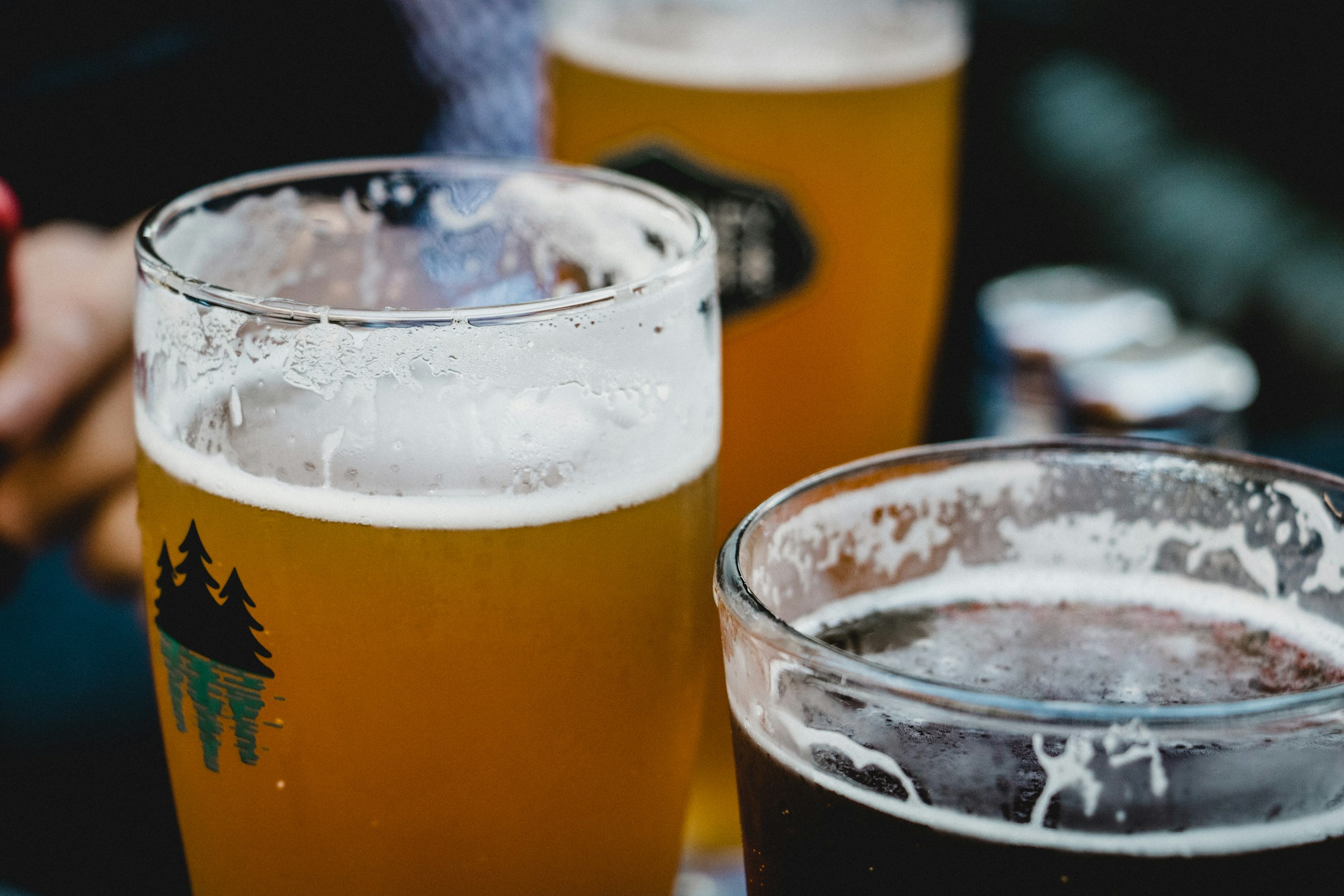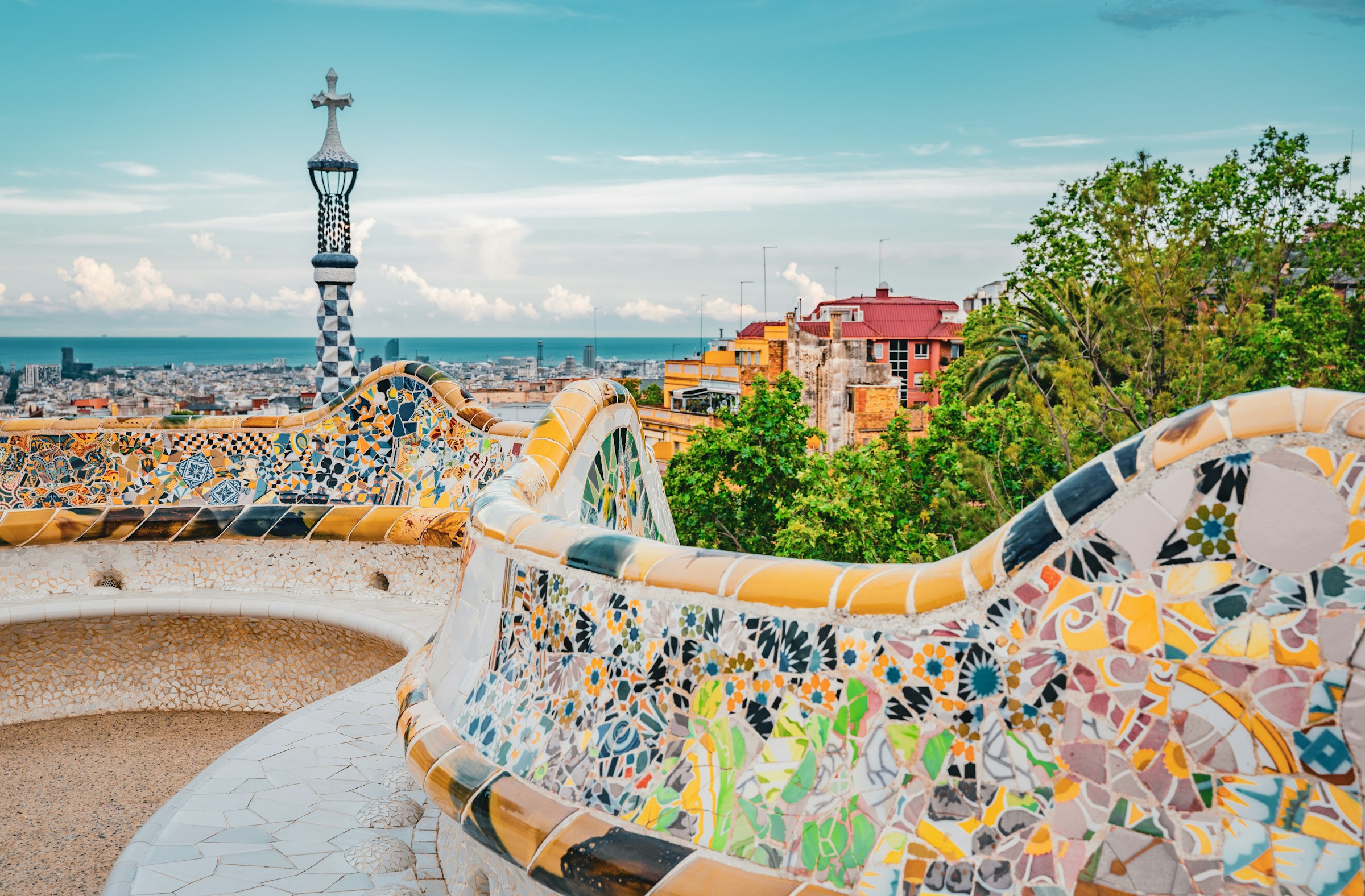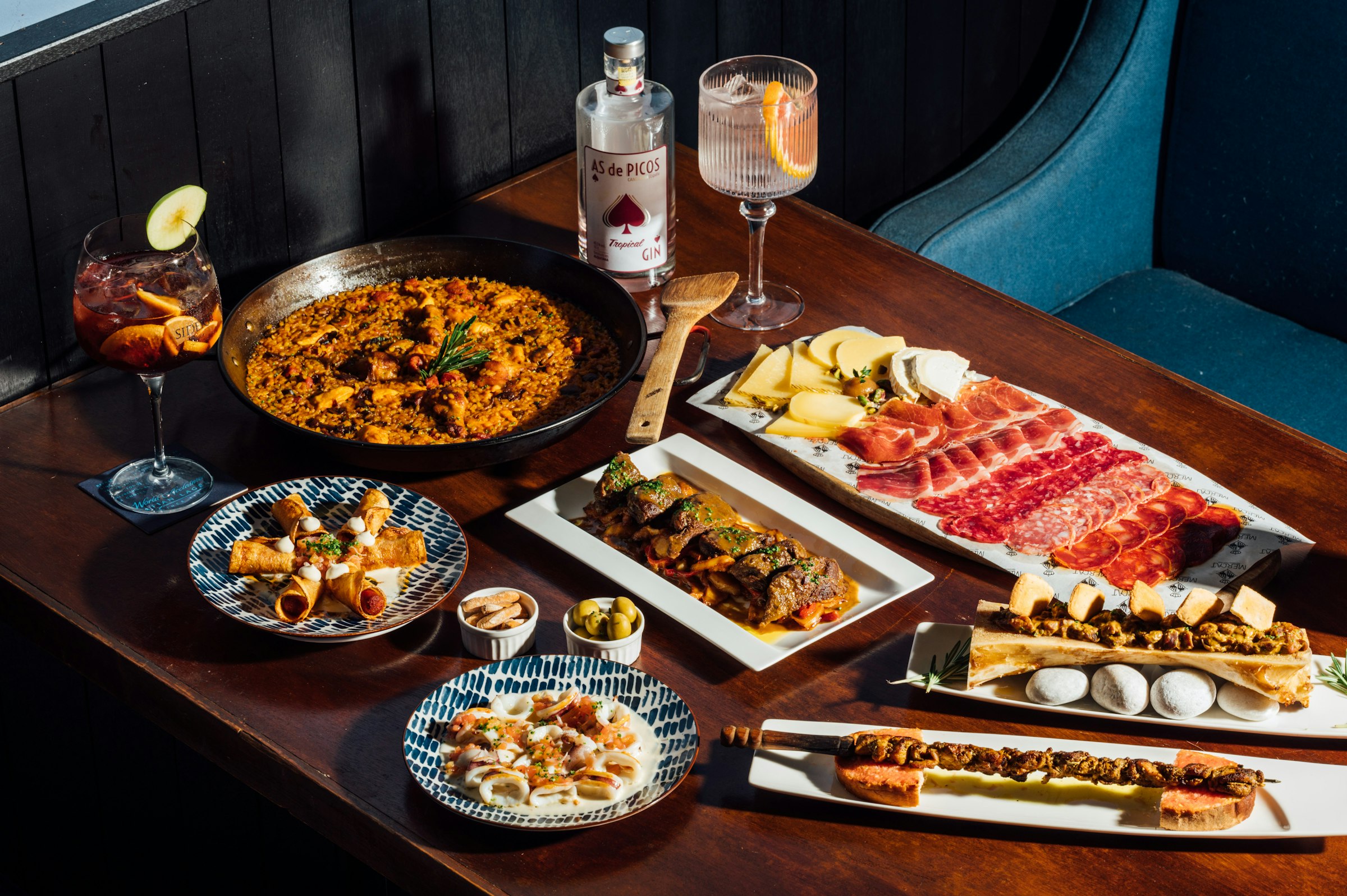
Mediterranean lager beer food pairing begins in a Barcelona bar at noon on a Thursday, with a cold caña and a small plate of boquerones arriving without anyone having to ask. That image — the clean, cold glass of pale lager alongside a few items of extraordinary simplicity and quality — is the pairing philosophy in miniature: a refreshing, dry, lightly bitter beer that never competes with food, always supports it, and makes everything on the table taste more vivid by contrast. Understanding why that works takes the pairing well beyond Spain.
This guide covers the flavor principles behind Mediterranean lager pairing, specific food matches organized by category, what to avoid, seasonal context, and a complete serving section. For the style’s history and character, see What is Mediterranean Lager Beer? →. For brewing your own, see How to Brew Mediterranean Lager at Home →.
The Flavor Principles Behind Mediterranean Lager Pairing
The Mediterranean lager’s pairing power rests on three characteristics that work in concert: carbonation, dryness, and restrained bitterness. Understanding each separately helps predict where the beer succeeds — and where it struggles.
Carbonation does the most work at the table. The lively CO₂ in a well-poured caña stimulates the palate and creates a mechanical cleansing action, displacing fat and oil and resetting taste receptors with every sip. This is why the beer works so well with fried foods, oily fish, and fatty charcuterie: it doesn’t neutralize the flavor but clears the way for the next bite to taste as vivid as the first. Think of it as the palate equivalent of a squeeze of lemon over fried calamari.
Dryness — the clean, fast-fading finish created by the rice adjunct and the low residual sugar — means the beer adds very little of its own flavor presence to a pairing. Where a sweeter lager might clash with a dish’s inherent sweetness or create a cloying interaction, the Mediterranean lager simply steps back. This makes it unusually versatile across savory foods. It does not demand to be noticed; it lets the food speak.
The beer’s modest bitterness (around 12–20 IBU in most commercial examples) provides just enough structure to cut through salt and fat without amplifying or clashing with bitter flavors in food. This distinguishes it from the more aggressively bitter German Pils, which can make bitter vegetables or astringent olive-oil-heavy dishes feel harsher by contrast. The Mediterranean lager sits in a zone of gentle assertion: present enough to matter, restrained enough never to dominate.
A fourth factor worth noting: the beer’s low malt complexity means it contains no caramel, toast, or roast notes that might conflict with delicate proteins or subtle herb-based sauces. It is, in the most useful sense for a pairing partner, a nearly neutral background with just enough structure to be interesting.
Tapas — The Classic Home Territory
The Mediterranean lager was engineered for tapas, and tapas were — in their original form — small, intensely flavored bites designed to accompany a drink. The match is not accidental. The bar culture that created both understood instinctively that the beer’s job was to refresh and support, never to overshadow.
Jamón ibérico and other cured hams: The combination of fat, salt, and concentrated umami in ibérico ham is met with perfect counterpoint by the beer’s carbonation and dry finish. Each sip of lager cuts through the fat and prepares the palate for the next slice. This is the contrast mechanism at work: opposing qualities in the beer (dryness, CO₂) lift opposing qualities in the food (fat, richness). A cold caña alongside a plate of jamón is the most iconic food pairing in Spanish bar culture for good reason.
Pa amb tomàquet (bread with tomato): Catalonia’s elemental snack — bread rubbed with ripe tomato and drizzled with olive oil — shares a flavor bridge with the lager: both are barely sweet, both lean toward savory and clean-finishing, and neither demands attention. The beer’s carbonation lifts the olive oil and the beer’s mild cereal note complements the bread. This is one of those pairings where simplicity is the entire point.
Boquerones (marinated anchovies): The vinegar-marinated white anchovies found in Catalan bars are sharp, salty, and intensely flavored. The lager’s carbonation handles the salt, the dry finish absorbs the vinegar acidity, and the mild bitterness provides just enough contrast to the fish’s richness without fighting it. This pairing demonstrates the beer at its most technically impressive.
Patatas bravas: Fried potato with spicy brava sauce or aioli. The beer’s carbonation scrubs the oil from each fried cube; the dry finish provides relief from the sauce’s heat or garlic intensity. The lager’s restrained hop bitterness does not amplify the capsaicin — it simply refreshes.
Gambas al ajillo (garlic shrimp): The intense garlic-and-olive-oil sauce clinging to these shrimp would overwhelm a more delicate beer. The Mediterranean lager’s neutrality and carbonation are assets here: it clears the palate without attempting to compete with the garlic, and the dry finish leaves room for the shrimp’s sweetness to register cleanly.
Seafood — The Broader Territory
Beyond tapas bar anchovies, the Mediterranean lager pairs across the full spectrum of seafood with a consistency that rivals any wine.
Fried fish: Mixed fried fish — calamares a la romana, battered cod, or fish and chips served with malt vinegar — is the textbook case. Carbonation scrubs batter and oil; the dry finish provides immediate relief from richness; the gentle bitterness harmonizes with any slight char on the fish.
Boiled octopus (pulpo a la gallega): Tender octopus from the Galician tradition — boiled until yielding, sliced on a wooden board, and dressed with olive oil, coarse sea salt, and sweet smoked paprika — is a test case for the beer’s salt-handling ability. Salt amplifies flavor; carbonation manages the oil; the paprika’s slight sweetness finds a bridge in the beer’s faint cereal note. A textbook mirror-and-contrast combination.
Clams and mussels: Steamed shellfish in a simple broth — clams with garlic and white wine (almejas a la marinera), or mussels in a tomato-based sauce — work particularly well. The beer’s marine-friendly dryness complements the brine of the shellfish, and the carbonation manages any richness in the broth.
Fresh raw seafood: Oysters, clams on the half-shell, or simple ceviche. The beer’s dryness functions similarly to a squeeze of citrus: it brightens the seafood’s natural salinity without adding competing flavors.
What to Avoid
Heavy red meat stews: A rich cocido madrileño or a deep beef estofado requires a beer with more malt presence to match the intensity of the broth and meat. The Mediterranean lager’s light body and dry finish simply vanish against that richness — the food overwhelms the beer rather than creating any dialogue. A malty Märzen or a darker bock is better company here.
Very sweet dishes: The beer’s dry finish amplifies any sweetness contrast it encounters. Desserts, pastries, or dishes with a significant sugar component will make the beer taste thinner and more bitter than it is. A light wheat beer or a fruit-forward ale serves these pairings far better.
Intensely spiced food: The beer’s modest bitterness provides only limited relief from serious heat. Very spicy dishes — a heavily seasoned curry or a chorizo preparation with aggressive pimentón — will overwhelm the lager’s delicate structure, and the carbonation alone cannot manage aggressive capsaicin. A sweeter, lower-IBU beer or a cold lager with higher residual sugar provides more soothing contrast.
Aged strong cheeses: A manchego aged twelve months or more, a strong blue, or any pungent aged cheese needs a beer with enough malt character to meet it. The Mediterranean lager’s neutrality registers as thin or watery alongside these cheeses. A Belgian golden ale or a hoppy IPA provides more interesting contrast.
Vinegar-dominant salads: A heavily vinegared ensalada mixta can make the beer taste flat and slightly harsh — the acidity of the dressing and the beer’s light bitterness create a combined sharpness that neither element would produce alone. A small amount of vinegar (as in boquerones) is manageable; a salad dressed primarily in red wine vinegar is not.
Mediterranean Lager and Spanish/Catalan Cuisine
The beer’s home territory extends beyond individual tapas items into the broader patterns of Catalan and Spanish eating. The Catalan kitchen is built on olive oil, garlic, tomato, and seafood — a flavor palette that is simultaneously intense and clean-finishing. The Mediterranean lager navigates this palette better than almost any other beer style because it was shaped by the same culinary logic.
Paella makes for an interesting study. Both the rice in the dish and the rice adjunct in the beer speak the same flavor language — clean starch, barely sweet, neutral enough to let other flavors lead. The beer’s light body doesn’t fight the saffron or the seafood; its carbonation manages the olive oil richness of the socarrat (the caramelized bottom layer of a well-made paella). Serve the lager very cold alongside paella Valenciana and the pairing approaches something close to perfection.
The broader Catalan escudella tradition — hearty winter stews of meat and vegetables — presents more challenge, as noted above. But the Catalan summer table (cold seafood, cured meats, tomato bread, light grilled vegetables) is the beer’s native habitat, and in that context no beer in the world is better suited.
A Seasonal Perspective
The Mediterranean lager is a beer of summer and warmth, and it behaves accordingly across the year. In high summer — when temperatures in Barcelona stay above 28°C (82°F) well into the evening — the beer performs at its most essential. Cold, carbonated, and almost water-like in its refreshment, it is the beverage that makes outdoor eating endurable and delicious. In this context, almost any food benefits from it.
Spring and autumn provide ideal conditions for the style’s more interesting pairings. When the temperature allows a slightly longer appreciation of what’s in the glass rather than the immediate thermal gratification of a summer caña, the beer’s dry, lightly bitter character shows more clearly. This is the season for the classic tapas pairings: boquerones, jamón, gambas al ajillo, pa amb tomàquet.
Winter is the style’s least natural season, and in Spain’s regional bars, it often gives way to maltier alternatives during the colder months. But for homebrewed examples or cold-weather beer exploration, the Mediterranean lager works well alongside winter fish dishes — salt cod (bacallà) preparations, for instance — where the beer’s dryness cuts through the preserved fish’s intensity.
How to Serve Mediterranean Lager Beer
Serving temperature: 3–5°C (37–41°F). This is colder than many European lager traditions recommend, but it reflects Catalan bar reality: the beer is served extremely cold, in small portions, and consumed quickly before it warms. For home food pairings where a slower pace allows appreciation of flavor nuance, the upper end of this range (4–5°C / 39–41°F) reveals more of the beer’s character without sacrificing refreshment.
Glassware: The traditional vessel is the caña — a small, straight-sided, narrow tumbler holding approximately 150–200 ml (5–7 oz), though size varies slightly by bar and region. This is not a standard pint glass, a Pilsner flute, or a Weizen glass — the caña’s small volume ensures the beer never warms in the hand before being consumed, and its straight sides allow the carbonation to stream cleanly without trapping it unnecessarily.
At home, the closest approximation is a stange-style tumbler — a short, straight-sided glass of similar volume to the caña, as used in Kölsch and some Rhine beer traditions. A 150–200 ml (5–7 oz) straight-sided tumbler or a small stange captures both the shape and the quick-consumption philosophy of the caña.
For a slightly more formal home serving that shows off the beer’s clarity and carbonation, a tall, slender Pilsner glass works well — the narrow diameter keeps the beer cold longer and the tapered top concentrates the gentle aroma. This is the glass for serving Mediterranean lager at a dinner party rather than a tapas session; note that a Pilsner glass typically holds 300–400 ml (10–14 oz), which means longer exposure to warmth, so pour in smaller amounts and refill frequently.
Avoid wide-mouthed tulip glasses or goblets, which allow the beer to warm too quickly and spread the carbonation before it can do its palate-cleansing work. A pint glass is not wrong, but it defeats the philosophy: part of the Mediterranean lager’s character is the small-pour culture that ensures every sip is cold.
Pouring: Pour at a moderate angle to establish a head, then straighten the glass to finish. A head of about 1–2 cm (0.5 inch) is appropriate — enough for aroma without overwhelming the pour. The beer should be brilliantly clear and pale golden in the glass. In Barcelona bars, the bartender typically pours with confidence directly from the tap and places the cold, condensation-ringed glass on the counter immediately.
The Mediterranean lager is, in the end, a pairing beer rather than a sipping beer — and that is not a demotion. The ability to make everything around it taste better is a genuine skill, and one that requires more precision than it appears. A beer that draws no attention to itself while consistently improving the food and the moment is serving a sophisticated purpose, even if it never announces it.
Explore more: – What is Mediterranean Lager Beer? The Complete Style Guide → – How to Brew Mediterranean Lager Beer at Home →
Brew Cartographer explores the history, geography, and craft of rare and forgotten beer styles. Subscribe to our newsletter for new expeditions every week.