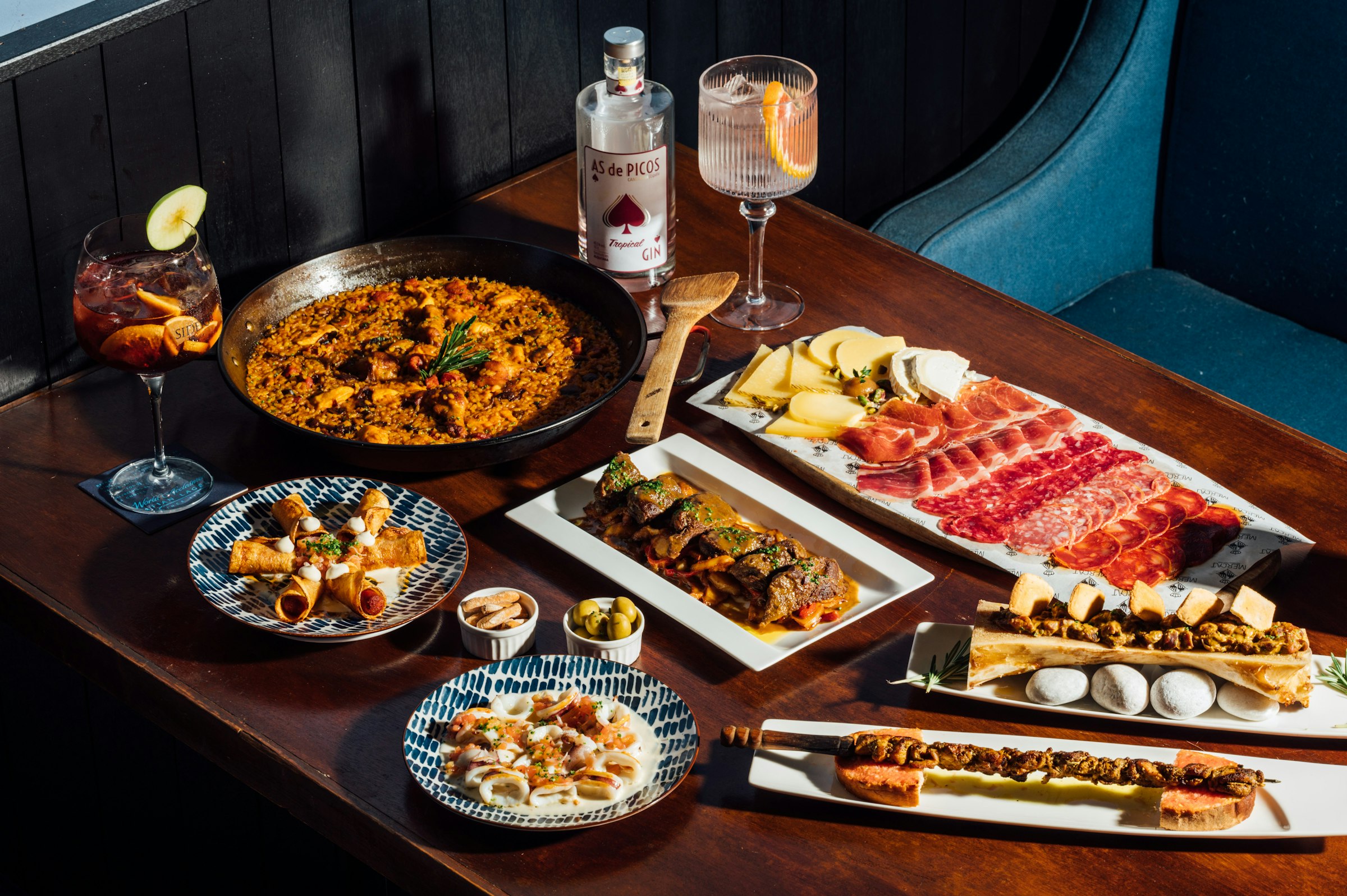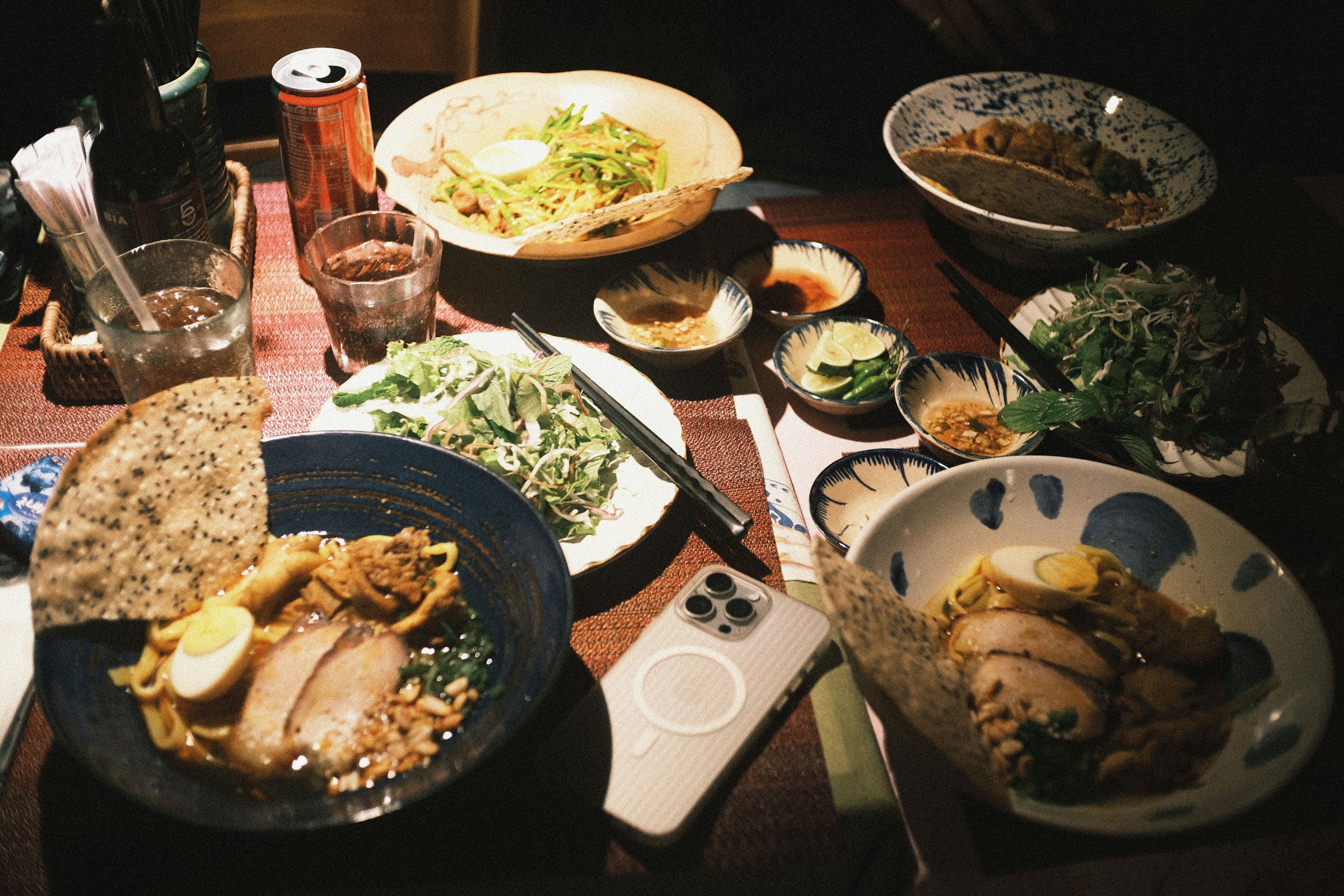
Doburoku beer food pairing begins with understanding that this is not a beer that flexes to fit any occasion — it is a drink with a very specific identity rooted in Japanese rural life, agricultural festivals, and the intimate culture of the farmhouse table. It is rich, gently sour, yeasty, and sweet in ways that no filtered beverage quite replicates. Get the food right, and doburoku is revelatory; get it wrong, and the beer’s own richness can swamp the plate. This guide maps the territory.
For background on what doburoku is and where it comes from, visit What is Doburoku Beer? →. For a complete homebrewing recipe, see How to Brew Doburoku Beer at Home →.
The Flavor Principles Behind Doburoku Pairing
Doburoku’s flavor profile is layered in a way that makes it both more and less versatile than sake. Understanding the mechanisms behind its pairings requires looking at four key flavor elements.
Natural acidity is doburoku’s great food-pairing engine. The fermentation produces lactic and other organic acids that give the drink a gentle tartness — enough to cut through fat and oil in the same way that citrus or vinegar function in cooking. This is why doburoku pairs so naturally with rich, fatty fish preparations: the acid in the beer lifts and refreshes the palate between bites.
Residual sweetness from incomplete fermentation creates both opportunities and limits. The sweetness bridges to naturally sweet ingredients — grilled corn, sweet potato, lightly caramelized onion — through what pairing theory calls a mirror: similar flavors reinforcing each other. The same sweetness, however, clashes with aggressively sweet desserts, amplifying saccharine notes unpleasantly in both the food and the drink.
Yeasty richness from the suspended rice solids and active fermentation adds a bread-like, savory quality to the mouthfeel. This richness functions like a sauce in food pairing — it envelops the palate and calls for high-acid, high-salt, or cleanly flavored counterpoints. Think pickled vegetables, salted seafood, or bright citrus-dressed salads.
Gentle natural carbonation from ongoing fermentation varies by producer and vintage. When present, it performs an important palate-cleansing function — the CO₂ physically lifts oils and umami compounds from the tongue, resetting the palate for the next bite. Lower-carbonation examples behave more like a still wine and benefit from deliberately lighter food pairings.
Japanese Farmhouse Food — The Classic Pairing
The most natural pairings for doburoku are the foods it was historically drunk alongside: the simple, seasonal, often fermented or pickled foods of rural Japan. This is bridge pairing at its most direct — doburoku and Japanese farmhouse food share fermentation, rice, and the same agricultural landscape.
Tsukemono (Japanese pickles) are perhaps the ideal companion. The salt and acidity of pickled vegetables — daikon, cucumber, napa cabbage, plum (umeboshi) — mirror doburoku’s own acidity while the crunch provides textural contrast to the drink’s thick mouthfeel. The contrast of salt in the pickles against the sweetness in the beer creates a dialogue that makes each taste better than it would alone.
Grilled salted fish (shioyaki) — whole fish such as ayu (sweetfish) or sanma (Pacific saury) grilled simply with salt — is another natural partner. The rendered fat from the fish is cut by doburoku’s acidity; the smokiness of the grill bridges to the beer’s yeasty earthiness. This is a mirror-and-contrast pairing working simultaneously: shared earthiness, opposing textures.
Miso soup and miso-based dishes occupy the same umami territory as doburoku. The savory depth of miso mirrors the fermented character of the beer; neither overpowers the other. Simple rice dishes (ochazuke, onigiri) alongside doburoku honor the drink’s origins in rice culture.
Grilled and Skewered Foods — Izakaya Territory
At the contemporary farm restaurants and ryokan that hold doburoku licenses, the drink is most often served alongside izakaya-style small plates — grilled skewers, small seafood preparations, and vegetable dishes. The pairing logic is contrast: doburoku’s sweetness and richness against the char, salt, and savory intensity of grilled food.
Yakitori (grilled chicken skewers, especially tare-glazed with a sweet soy sauce) works through contrast: the sticky sweetness of the tare glaze is balanced by doburoku’s acidity, while the char and smokiness give the beer something to push against. Shio (salt-seasoned) yakitori is equally effective, letting the doburoku’s own subtle sweetness come forward.
Grilled tofu (yaki-dofu) is a gentle pairing that respects doburoku’s delicacy. The mild, slightly nutty flavor of grilled firm tofu bridges to the yeasty, rice-forward character of the beer without competing with it. Add a dab of ginger-soy dipping sauce and the salt of the condiment pulls out more of the beer’s fruity, fermented complexity.
Mushroom preparations — whether grilled matsutake, sautéed shiitake, or earthy maitake in dashi — share an umami depth with doburoku. The earthy, wooded character of mushrooms bridges directly to the fermented funk in the beer. This pairing works through bridge mechanism: a shared flavor compound (glutamates) links the two.
What to Avoid
Heavily hopped beers served alongside: This isn’t a food pairing note but a practical one — doburoku’s flavor profile is entirely hop-free. Foods that are typically paired with highly hopped beverages (assertively bitter IPA food-friendly dishes like blue cheese or very spicy food) can make doburoku seem flat and underwhelming by contrast. Think of it as a sake first, beer second — and pair accordingly.
Chocolate and dark roasted flavors: The bitterness of dark chocolate, espresso, or heavily roasted coffee clashes with doburoku’s sweetness and lactic acidity. There is no shared compound to bridge them, and the contrast is harsh rather than interesting. This is a style that does not belong anywhere near a chocolate dessert.
Cream-heavy Western sauces: Rich cream-based sauces (béchamel, heavy cream reductions) create texture-on-texture excess with doburoku’s own thick mouthfeel. The beer needs food with acid, crunch, char, or salt to provide contrast — cream adds only more richness.
Aggressively spicy food: Very high-heat preparations (Thai bird chilies, Korean gochujang at full strength) amplify the alcoholic warmth of doburoku’s 8–12% ABV. The sweetness in the beer can initially seem soothing but then the alcohol builds. Moderate spice with pickled or acidic components (like light Korean banchan or yuzu-kosho in small quantities) is a safer approach.
Strongly flavored oily fish without acid accompaniment: While doburoku pairs beautifully with salted and grilled fish, strongly flavored raw or unaccompanied oily fish (unconditioned mackerel, sardines without dressing) can push the beer’s lactic sourness in an unpleasant direction. Always pair strong fish with something acidic alongside — ponzu, citrus, or pickled ginger.
Doburoku and Japanese Cuisine
Beyond the farmhouse tradition, doburoku finds its best modern territory in the broader landscape of Japanese cuisine — particularly in washoku (traditional Japanese cuisine) and kaiseki-influenced preparation styles.
Sashimi and sushi seem like natural pairings, but the relationship is nuanced. Delicate white fish (hirame, tai) works beautifully with doburoku; the beer’s acidity stands in for the ponzu or lemon that might otherwise accompany them. Tuna (maguro) and fatty toro are excellent — the high fat content of toro is a perfect target for doburoku’s acid-cut pairing mechanism. Avoid raw shellfish, where doburoku’s yeasty funk can overwhelm delicate oyster or clam flavors.
Tempura is a slightly unconventional but highly effective pairing. The light, airy batter and cleanly fried oil of good tempura are precisely what doburoku’s acidity and carbonation are designed to cut through. The combination works the way Champagne works with fried food — the acid and effervescence lift the fat, making both the food and the beer taste cleaner. Vegetable tempura (sweet potato, lotus root) is particularly good, as the natural sweetness of the vegetables mirrors doburoku’s own sweetness.
Chawanmushi (savory steamed egg custard) is perhaps the most elegant doburoku pairing in this cluster. The custard’s silken texture contrasts beautifully with the beer’s rustic turbidity; the umami-rich dashi base mirrors the fermented savory notes; and the delicacy of the egg means doburoku’s sweetness comes forward as a complement rather than a clash.
How to Serve Doburoku Beer
Serving temperature: Doburoku is best served cold but not ice-cold. The ideal range is 8–12°C (46–54°F). Too cold (below 6°C / 43°F) suppresses the yeasty aromatics and flattens the subtle acidity; warmer than 14°C (57°F), the residual sweetness becomes cloying and the fermentation funk amplifies. For food pairing specifically, serving at the warmer end of the range (10–12°C / 50–54°F) allows more aromatic complexity to emerge.
Glassware: Doburoku’s traditional vessel is a small ceramic cup — the ochoko (猪口), the same compact earthenware sake cup used at Japanese farmhouses and Shinto shrine festivals. The ceramic vessel has practical advantages: it keeps the drink cooler, does not show the turbidity (which can look alarming in a clear glass to the uninitiated), and connects the beverage to its cultural context. A small ceramic sake cup or ochoko set is the authentic choice. In casual informal settings, a larger ceramic cup or yunomi (everyday tea cup) works as a substitute.
For Western serving contexts, a wide-mouth ceramic mug or bowl works well as a modern alternative. The wide opening releases the yeasty aromas and allows you to appreciate the opaque white appearance. Clear glassware — particularly standard beer pint glasses or stemware — is technically functional but loses the aesthetic and cultural resonance.
What to avoid: Avoid narrow pilsner glasses or tall, thin vessels. Doburoku is a drink that benefits from width, not height — you need to stir or swirl it before drinking to re-suspend the settled rice solids, and narrow glasses make this difficult.
Pouring technique: Gently invert the bottle two or three times before opening to re-suspend settled solids. Pour slowly from a low angle. Some practitioners prefer to pour straight down into a wide cup to create a light froth. Whatever method you use: stir gently before drinking to ensure the solids are evenly distributed throughout the cup.
Doburoku asks to be drunk the way it was always drunk — informally, alongside simple food, in good company. Its richness rewards deliberate pairing; its rusticity forgives a certain looseness in the approach. Treat it like a sake that hasn’t quite decided to grow up, and you’ll rarely go wrong.
Explore more: – What is Doburoku Beer? The Complete Style Guide → – How to Brew Doburoku Beer at Home →
Brew Cartographer explores the history, geography, and craft of rare and forgotten beer styles. Subscribe to our newsletter for new expeditions every week.