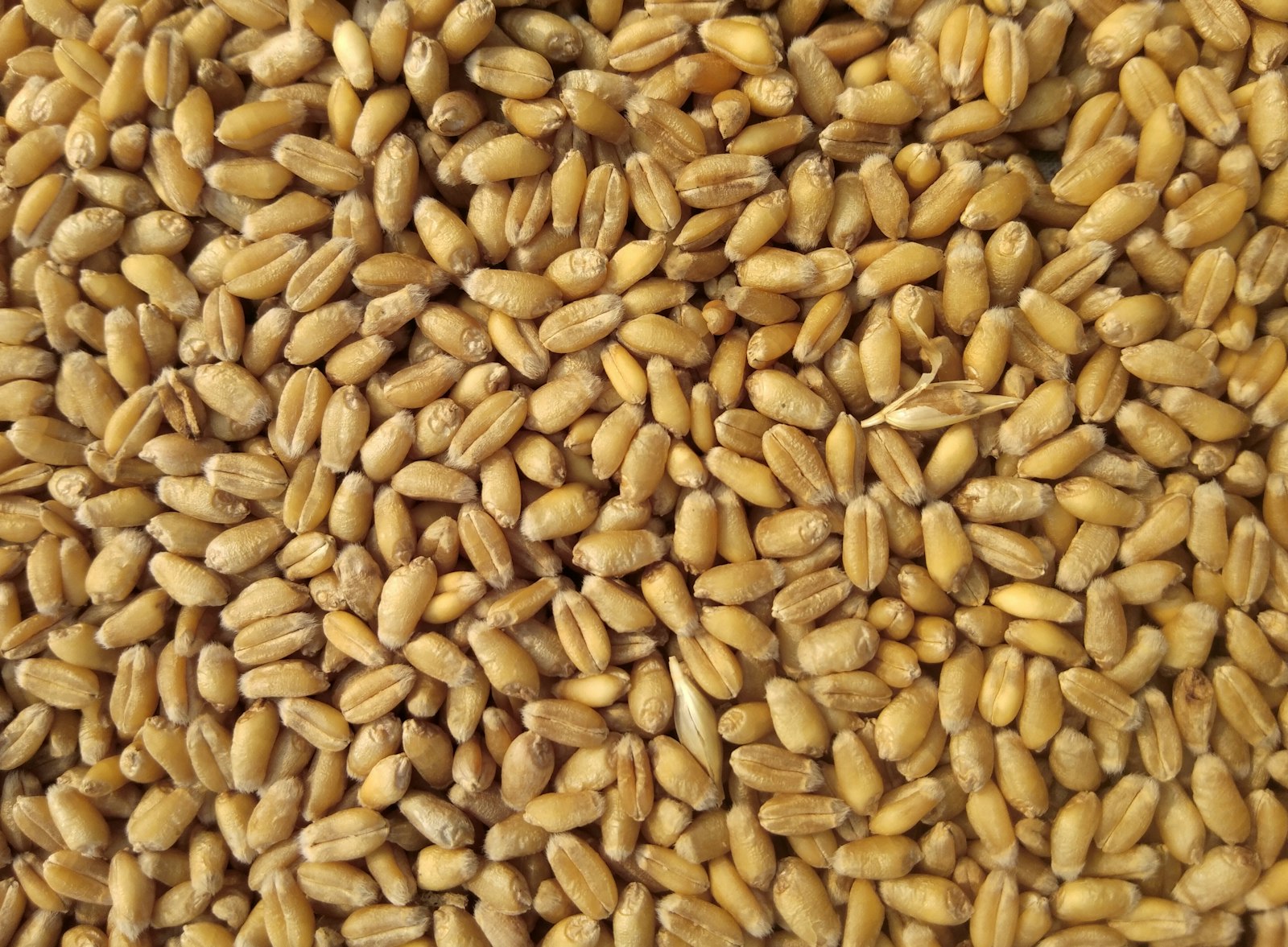
How to brew tella beer at home is a question that requires equal parts brewing knowledge and cultural curiosity — this Ethiopian staple is one of the most ancient and approachable grain beers a homebrewer can attempt, yet its flavors depend on an ingredient, gesho (Rhamnus prinoides), that most Western homebrew shops do not carry. The process is low-tech and forgiving: no advanced equipment, no precise temperature control, and no commercial yeast required. From grain to glass, expect around 5 to 7 days for a first batch.
This guide covers everything you need to brew a traditional-style tella, including target specs, a complete ingredient list with sourcing notes, step-by-step process, and troubleshooting for the most common problems. For the full history and cultural context of the style, see What is Tella Beer? →. For food pairing ideas, see the Tella Beer Food Pairing Guide →.
Target Specifications
| Parameter | Target |
|---|---|
| Original Gravity | 1.036–1.048 |
| Final Gravity | 1.006–1.012 |
| ABV | 3–5% |
| IBU (gesho equivalent) | 15–25 (estimated — gesho bitterness is not measured in IBUs) |
| SRM | 8–18 (amber to deep brown, depending on grain bill) |
| Carbonation | 1.5–2.0 volumes CO₂ (low — traditional tella is nearly still) |
| Batch size | 19 liters (5 US gallons) |
| Timeline | 5–7 days grain to glass |
Ingredients
Grain Bill
- Sorghum malt — 2.5 kg (5.5 lb) — Sorghum provides the classic tella backbone: light, slightly earthy grain character with enough fermentable sugars to reach 3–4% ABV. Use malted sorghum rather than raw for better enzyme activity and extraction. If you cannot source malted sorghum, flaked sorghum can substitute at 70% of the weight alongside a small addition of standard base malt to supply enzymes.
- Pale barley malt (2-row or Pilsner) — 1.0 kg (2.2 lb) — Contributes fermentable sugars and, critically, the amylase enzymes needed to convert both barley and sorghum starches. Sorghum malt enzymes are significantly less active than barley enzymes, and sorghum’s starch gelatinizes at a higher temperature (approximately 68–77°C / 154–170°F) than the mash temperature, meaning barley enzymes do most of the conversion work.
- Teff grain (whole, unmalted) — 500 g (1.1 lb) — Teff gives the beer its characteristic deep color and earthy, slightly fermented-grain flavor. It is used unmalted because its tiny size makes malting impractical; teff starch gelatinizes at approximately 55–65°C (131–149°F), well within the mash temperature range, so conversion proceeds well with barley enzyme support. Optional but highly recommended for authenticity.
- Pale crystal malt, 40L — 200 g (7 oz) — A small addition for body, residual sweetness, and color. Traditional tella does not use crystal malt, but for homebrewers seeking a more consistent result, it adds body without significantly altering flavor. Omit for a more austere, traditional profile.
Gesho Addition
- Dried gesho stems — 50 g (1.75 oz) — This is the essential ingredient that defines tella. Use the woody stems rather than the leaves for a more controlled, less astringent bitterness. Gesho stems are added during the boil (see Step 4) and contribute herbal, resinous bitterness alongside antimicrobial compounds that help control wild fermentation. Available at Ethiopian grocery stores in most major cities and from online retailers.
Adjuncts
- Rice hulls — 200 g (7 oz) — Added to the mash to prevent a stuck sparge, since sorghum and teff create a gummy, dense grain bed. Optional if your lautering setup handles adjuncts well, but strongly recommended for first batches.
Yeast / Fermentation Agent
Tella is traditionally wild-fermented — no commercial yeast is added. The indigenous microflora of the brewing environment colonize the wort. For homebrewers, there are two paths:
Option 1 — Wild Fermentation (traditional): Leave the cooled wort uncovered in a location with good ambient microflora — near fruit, bread, or outdoors in warm weather — for 12–24 hours before loosely covering and allowing fermentation to proceed. Results vary by location, season, and environment. This is authentic but less predictable.
Option 2 — Commercial Yeast + Lacto (modern adaptation): Choose one of the following — do not use more than one: – Lallemand WildBrew Sour Pitch (Lactobacillus plantarum) — Recommended for homebrewers in Europe and globally. Add 11 g (0.4 oz) to the wort at 38–43°C (100–110°F) and hold for 24–36 hours before boiling. This introduces a clean lactic sourness before adding the gesho. After the kettle souring step, cool to 20°C (68°F) and pitch a clean ale yeast. – SafAle US-05 — A neutral American ale yeast that ferments clean and does not compete with the gesho character. Use if skipping the souring step and fermenting with commercial yeast only (produces a less authentic but more predictable result). – GoodBelly Probiotic Shots — US-based brewers: GoodBelly products contain Lactobacillus plantarum LP299v and can be used for kettle souring at 10–15 ml per liter. Use in place of Lallemand WildBrew — choose one, not both.
Equipment
Beyond a standard homebrewing kit, you will need:
- Large mesh grain bag — For brewing BIAB (Brew in a Bag) style, which handles sorghum and teff more easily than a traditional mash tun with a false bottom
- Thermometer with probe — Temperature control is important during the gesho steeping step
- Clay or ceramic fermentation vessel (optional) — Authentic tella is fermented in clay pots (chinet), which harbor wild microflora. Plastic buckets or glass carboys work fine for modern homebrewing, but a clay vessel gives a more traditional result if you have one
- Fine mesh strainer or cheesecloth — For straining gesho stems before fermentation
- Hydrometer or refractometer — For measuring gravity at start and finish
How to Brew Tella Beer: The Process Step by Step
Step 1 — Prepare the Grain Bill: Mill the barley malt to a medium crush. Sorghum malt should be milled slightly coarser than barley to prevent a gummy mash. Leave teff whole — it is too small to mill effectively and will convert with the assistance of barley enzymes at mash temperature. If using rice hulls, add them directly to the mash without milling.
Step 2 — Mash: Heat 19 liters (5 US gallons) of water to 67°C (153°F). Add all grains and rice hulls and stir thoroughly. Maintain 65–67°C (149–153°F) for 60 minutes. This temperature range favors alpha-amylase activity, producing more unfermentable dextrins and a fuller-bodied wort — appropriate for tella, which is meant to retain some sweetness alongside its sourness. Check for starch conversion with an iodine test at 50 minutes. Note that sorghum’s starch gelatinizes at a higher temperature than this mash (approximately 68–77°C / 154–170°F), so expect somewhat lower efficiency from sorghum than from barley in this recipe; barley malt conversion provides the bulk of fermentable sugars.
Step 3 — Lauter and Sparge: Separate the grain bed from the wort using your BIAB bag or lauter tun. Sparge with 68°C (154°F) water to collect your full volume. Expect some difficulty with a sorghum-teff mash — the grain bed is stickier than a pure barley mash. Take your time and allow the bed to drain naturally rather than forcing it. Target pre-boil volume of approximately 23 liters (6 US gallons) to account for boil-off.
Step 4 — Gesho Addition (First Boil): Bring the wort to a full boil. Add the dried gesho stems at the start of the boil. Boil for 60 minutes. The gesho will steep throughout the full boil, contributing bitterness and herbal character and — critically — sterilizing the wort and extracting the antimicrobial compounds that help keep wild fermentation controlled. The wort will take on a greenish-brown tint from the gesho: this is normal and will fade as fermentation proceeds.
Step 5 — Kettle Souring (Optional, Modern Adaptation): If you are using the commercial Lacto pathway (Lallemand WildBrew or GoodBelly), this step precedes the gesho boil. After Step 3 (lautering), bring the wort to 75°C (167°F), hold for 15 minutes to pasteurize, then cool to 38–43°C (100–110°F). Add your chosen Lactobacillus source and hold at this temperature for 24–36 hours — wrap the kettle in blankets or use a heat mat to maintain temperature. Note that L. plantarum is a facultative anaerobe: it tolerates oxygen. Purging with CO₂ is useful not because Lacto requires anaerobic conditions, but because CO₂ displaces oxygen that could fuel unwanted Clostridium contamination, which produces butyric acid (the characteristic vomit off-flavor in failed kettle sours). After souring, bring back to a boil and proceed with the gesho addition in Step 4.
Step 6 — Cool the Wort: After the boil, cool the wort as quickly as possible to your target fermentation temperature. For wild fermentation: cool to 28–32°C (82–90°F) and transfer to your fermentation vessel, leaving it loosely covered to allow wild yeast and bacteria to inoculate the wort. For commercial yeast: cool to 20°C (68°F) and pitch your chosen yeast. Strain out the gesho stems before transferring.
Step 7 — Primary Fermentation: Ferment at 20–28°C (68–82°F). Wild-fermented tella typically shows active fermentation within 24–48 hours and is largely complete within 3–4 days at 25–30°C (77–86°F); expect somewhat longer at cooler temperatures typical of North American or European homes. Tella is meant to be consumed fresh, so unlike many craft beers, extended conditioning is not the goal. Taste the beer daily after day 3: when the sweetness has largely fermented out and the sourness is to your preference, it is ready to package.
Step 8 — Package: Tella is traditionally served from the fermentation vessel, poured off the yeast cake directly into cups. For homebrewers, this works well — simply decant carefully. If you want carbonated tella for bottling, add 5 g (0.18 oz) of priming sugar per liter — equivalent to approximately 0.67 oz per US gallon — which gives approximately 1.5–2.0 volumes CO₂, appropriate for a beer with very low natural carbonation. Use a priming sugar calculator to adjust for your beer’s fermentation temperature. Bottle-conditioned tella should be consumed within 1–2 weeks; it does not improve with age.
Recipe Summary
| Item | Metric | US |
|---|---|---|
| Sorghum malt | 2.5 kg | 5.5 lb |
| Pale barley malt (2-row) | 1.0 kg | 2.2 lb |
| Teff (whole, unmalted) | 500 g | 1.1 lb |
| Crystal malt 40L (optional) | 200 g | 7 oz |
| Rice hulls | 200 g | 7 oz |
| Dried gesho stems | 50 g | 1.75 oz |
| Mash temperature | 65–67°C | 149–153°F |
| Mash duration | 60 min | 60 min |
| Boil duration | 60 min | 60 min |
| Gesho addition | Start of boil | Start of boil |
| Fermentation temperature | 20–28°C | 68–82°F |
| Fermentation duration | 3–5 days | 3–5 days |
| Target OG | 1.036–1.048 | 1.036–1.048 |
| Target FG | 1.006–1.012 | 1.006–1.012 |
| ABV | 3–5% | 3–5% |
| Batch size | 19 liters | 5 US gallons |
Troubleshooting
Too bitter or astringent: Gesho stems steeped for longer than 60 minutes can extract harsh tannins alongside the desired bitterness. Next batch, reduce the gesho quantity to 35–40 g (1.2–1.4 oz) or add it with 30 minutes remaining in the boil rather than at the start. Astringency can also come from sparging with water above 77°C (170°F), which extracts tannins from the grain husks.
Not sour enough: Wild fermentation depends on your environment. If the beer ferments cleanly but lacks sourness, your environment may not harbor a significant Lactobacillus population, or fermentation may have proceeded too cold. Move the fermentation vessel somewhere warmer (28–32°C / 82–90°F) and give it another 24 hours. Alternatively, switch to the kettle souring approach on your next batch for more reliable sourness.
Butyric (vomit) off-flavor: This comes from Clostridium contamination, most often during the kettle souring step. For your next batch, ensure you pasteurize the wort thoroughly at 75°C (167°F) before adding your Lacto source, and purge the headspace with CO₂ during the souring hold. Clean and sanitize all kettle equipment thoroughly.
Stuck or slow fermentation: Sorghum wort can be challenging for commercial yeast strains not selected for sorghum. If using US-05 and fermentation is sluggish, ensure the wort is at 20°C (68°F) — not colder — and that the yeast was properly rehydrated. A yeast starter made with a small amount of sorghum wort 24 hours before brew day helps.
Gummy, stuck mash: This is the most common mechanical problem with tella. Prevention: use rice hulls, do not over-mill the sorghum, and add the grains to hot water rather than adding cold water to the grain. If stuck mid-lauter, add a further 100 g (3.5 oz) of rice hulls and stir gently. For future batches, consider a brief cereal mash step — bringing the sorghum to a boil in a small amount of water before adding to the main mash — to help gelatinize the sorghum starches above their natural gelatinization temperature (68–77°C / 154–170°F).
Beer tastes thin and watery: Under-attenuation is one issue; more likely is a low original gravity from poor sorghum extraction. Sorghum has lower extract efficiency than barley, particularly at mash temperatures below its starch gelatinization point. If your pre-boil gravity is significantly below target, add 200–300 g (7–10.5 oz) of light dried malt extract to compensate.
Variations to Try
All-Teff Tella: Replace the sorghum with an equal weight of teff for an extremely dark, earthy interpretation. Expect a denser, more complex fermentation character and a flavor profile closer to sourdough bread than grain beer. This is a southern Ethiopian style and requires more patience with the mash — the enzymes from barley will work harder.
Double-Gesho Tella: Increase the gesho to 80 g (2.8 oz) for a significantly more bitter, more herbal beer that showcases the ingredient’s full range. Add half at the start of the boil and the remainder at flame-out for a brighter aromatic contribution. This is an interpretation, not a traditional recipe, but it makes an excellent comparison point for understanding how gesho behaves at different dosages.
Tej-Tella Hybrid: Add 500 g (1.1 lb) of raw honey at flame-out, after removing the gesho stems. The honey ferments out almost completely, leaving a dry, slightly floral character that bridges tella and tej (Ethiopia’s honey wine). This is historically plausible — honey was a common addition in traditional Ethiopian brewing — but not standard today.
Smoked Tella: Toast 200 g (7 oz) of the sorghum malt in a dry cast-iron skillet until lightly charred before mashing. This produces a faint smoke and char character that adds another dimension to the earthiness of the gesho. Pairs particularly well with grilled meats.
Ginger Tella: Add 30 g (1 oz) of fresh grated ginger with 15 minutes remaining in the boil. Ginger is used in some regional Ethiopian tella preparations and works well alongside gesho’s herbal bitterness — the warmth and spice complement rather than compete.
Tella is one of the most rewarding ancient beers to attempt at home, not because it is technically demanding — it isn’t — but because the flavors it produces are unlike anything most homebrewers have encountered. Gesho, wild fermentation, and ancient grains combine to create a beer that is genuinely of its place, and the process of brewing it offers a tangible connection to a tradition that stretches back thousands of years.
Explore more: – What is Tella Beer? The Complete Style Guide → – Tella Beer Food Pairing Guide →
Brew Cartographer explores the history, geography, and craft of rare and forgotten beer styles. Subscribe to our newsletter for new expeditions every week.