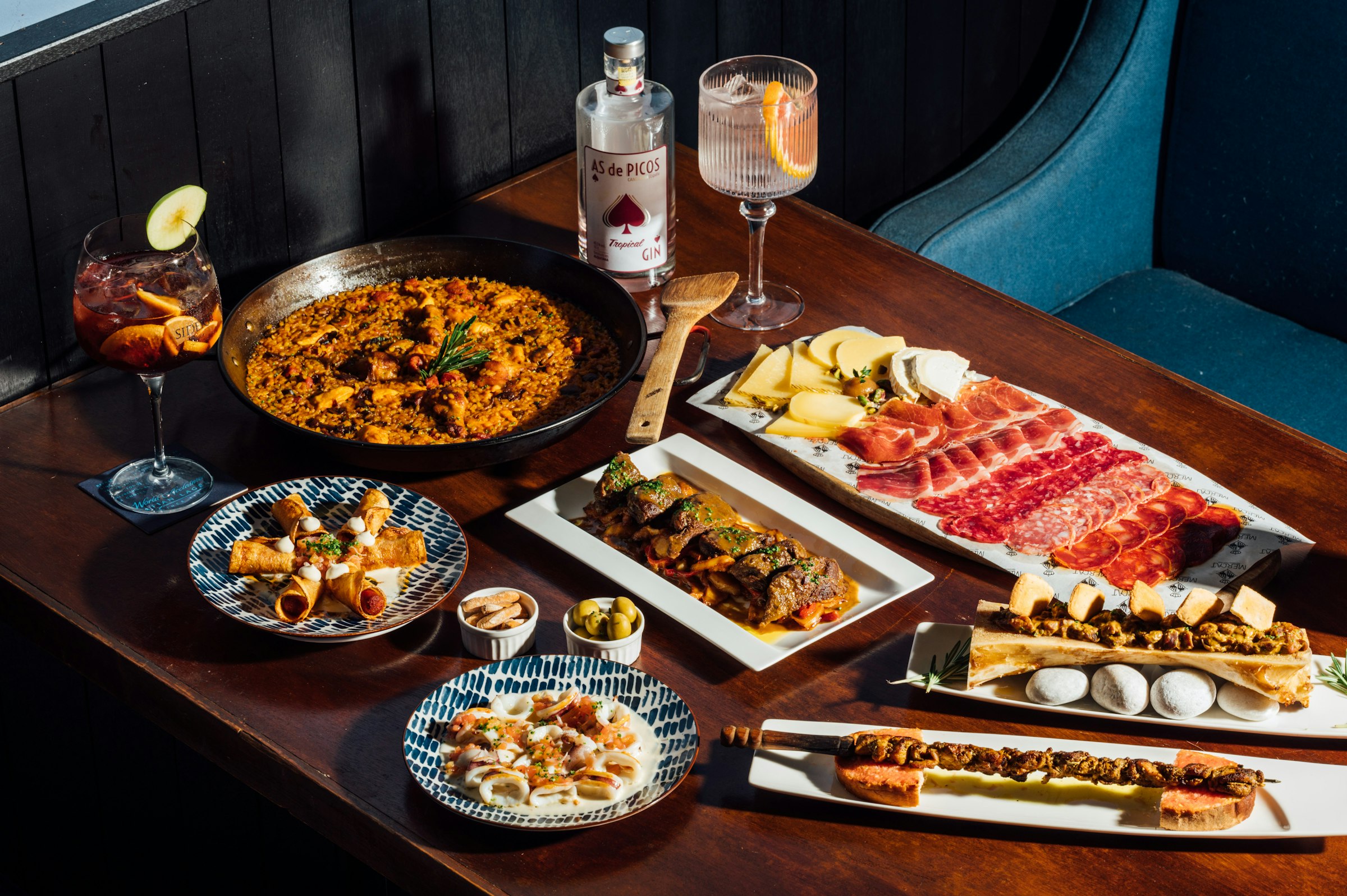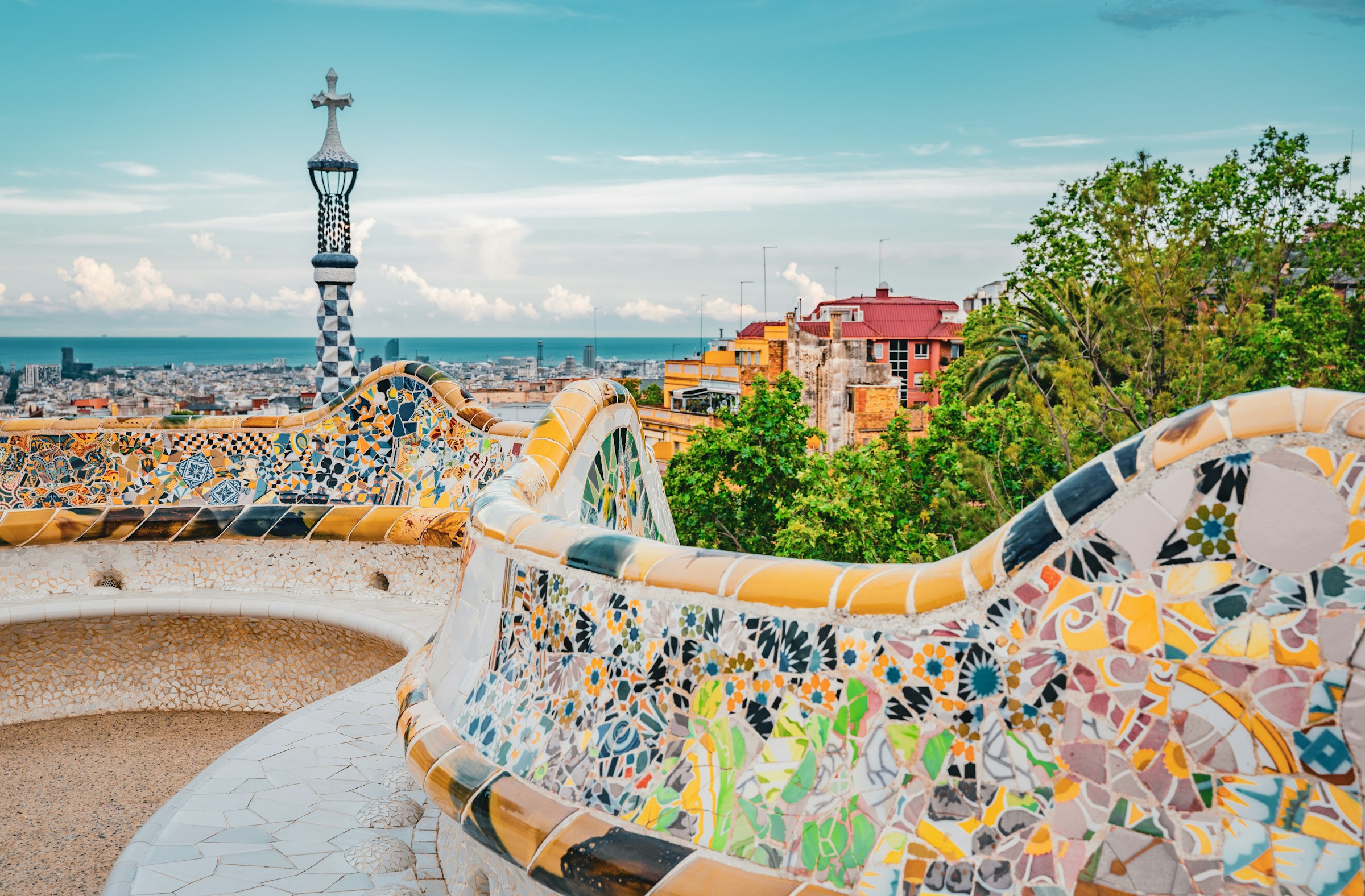
Cerveja preta beer food pairing starts with a geographic fact: this dark lager was born on islands that cook with fire, salt, and the sea. Madeira’s espetada — beef skewers grilled over bay laurel wood embers — and the Azores’ caldeirada stews were eating partners for the local dark beer long before any food writer thought to document the combination. What emerged from that practical, centuries-long pairing is a beer ideally matched to exactly the kinds of foods it has always sat beside: salt-cured fish, charred meat, robust stews, and aged cheese with a mineral kick.
This guide maps the pairing territory for cerveja preta — the roasty, malt-forward dark lager of Madeira and the Azores. For the style’s history and character, visit What is Cerveja Preta? →. If you want to brew it at home, see our How to Brew Cerveja Preta → guide.
The Flavor Principles Behind Cerveja Preta Pairing
Understanding what cerveja preta brings to the table makes every pairing decision easier. This is not a beer that challenges food — it supports it, frames it, and in the right combinations, elevates it.
The roasted malt character is the dominant force. Dark bread, milk chocolate, and a gentle coffee note give the beer a flavor bridge to any food with caramelized, charred, or browned surfaces — the Maillard reaction in the food finds its mirror in the malt. A piece of bacalhau (salt cod) with a golden crust, or a beef skewer with char marks from a wood fire, connects to the beer through shared brown, roasty flavor compounds. This is the mirroring mechanism at work: similar flavors in the beer and food reinforcing each other rather than one overwhelming the other.
The moderate bitterness (18–25 IBU) performs a contrasting function. It provides just enough counterweight to fatty or rich foods to prevent the combination from becoming heavy or cloying. Against a slice of aged Azorean cheese — which can be assertively fatty and funky — the beer’s bitterness acts as a palate reset, making the next bite taste as vivid as the first. It is not enough bitterness to fight the food, but enough to keep the meal moving.
Carbonation does work that the malt and bitterness cannot. The CO₂ physically lifts fat and oil from the palate, acting as a mechanical palate cleanser that cuts through anything greasy or oil-rich. Against deep-fried fish — a staple in both Madeiran and Azorean cuisine — the carbonation keeps each sip fresh and the meal from becoming leaden.
The mid-palate sweetness — particularly in island versions that tend toward a fuller body than their German Schwarzbier cousins — means the beer can handle some sweetness in the food without clashing. Onion-based dishes, caramelized root vegetables, and slow-cooked tomato sauces all have natural sugars that complement rather than compete with the beer’s malt sweetness.
Finally, the lager conditioning — the weeks of cold fermentation that smooth all rough edges — gives cerveja preta a drinkability that most dark ales can’t match at the table. It stays refreshing, even with rich food, because the lagering process has removed the fermentation-derived roughness that can make ales feel heavy alongside a substantial meal.
Bacalhau — The Classic Portuguese Pairing
Bacalhau — salt cod — is not merely a Portuguese ingredient; it is the organizing principle of Portuguese cuisine, and the popular saying that there are 365 recipes for it (one for every day of the year) speaks to how deeply embedded it is in the culture, even if the exact count can’t be pinned down. On Madeira and the Azores, where the fish has been a dietary staple for centuries, it meets cerveja preta at the table in dozens of preparations.
The pairing works on multiple levels. The saltiness of bacalhau — even well-soaked, it retains a minerally saline quality — activates the beer’s malt sweetness by suppression contrast: salt dampens perceived bitterness and amplifies other flavors, making the beer taste fuller and rounder than it does on its own. The roasty malt then bridges to any caramelized surface on the fish, creating a connection that makes both the beer and the food taste more complete.
Bacalhau com todos — salt cod served with potatoes, hard-boiled eggs, onion, and olive oil, the simplest and most traditional preparation — is the ideal starting point. The olive oil richness is cut by the beer’s carbonation, the potato absorbs the malt sweetness beautifully, and the egg yolk creates an unexpected bridge to the chocolate notes in the malt. Bacalhau à Brás — shredded salt cod with eggs, olives, and thinly sliced fried potatoes — adds textural crunch to the equation and works equally well.
For a preparation more specific to Madeira, bacalhau à Madeirense — salt cod baked with onions, peppers, and wine — benefits from the beer’s ability to handle the slight sweetness of caramelized onion while standing up to the savory depth of the wine-braised sauce.
Espetada — Madeira’s Wood-Fire Classic
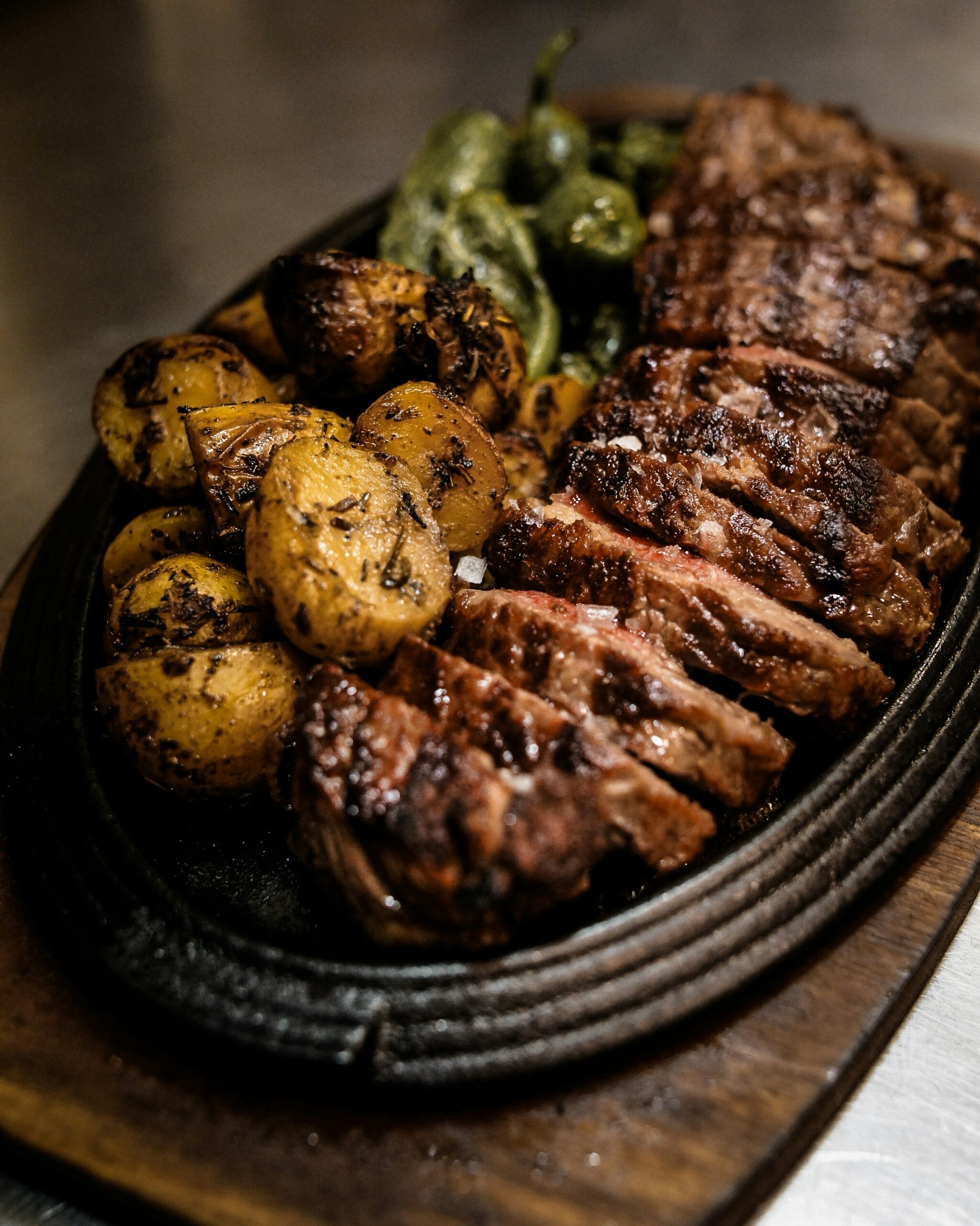
Espetada — beef skewers threaded onto fresh bay laurel sticks and grilled over bay laurel wood embers — is Madeira’s most emblematic dish, and it was made for cerveja preta. The combination of wood smoke, charred beef, and the bay leaf aromatics from the skewer itself creates a flavor profile that finds direct mirroring in the beer’s dark malt roast character.
The pairing mechanism here is bridge-and-mirror in combination. The roasty dark malt bridges to the char on the beef’s surface; the coffee notes in the Carafa malt connect to the deeper caramelization of the meat’s exterior; and the bay laurel’s herbal, slightly floral aroma finds a sympathetic note in the noble hop presence — Saaz and Hallertau Mittelfrüh both carry a subtle herbal character that resonates with laurel without overwhelming it.
Fat is a consideration, too. Espetada uses generous cuts of beef — often sirloin or rump — that carry significant intramuscular fat. The moderate carbonation lifts this richness, and the restrained bitterness provides balance without fighting the char.
Broader Pairings
Caldeirada de peixe (Azorean fish stew): The Azores’ version of fish stew — typically made with several varieties of local fish, potato, onion, tomato, and green pepper — is a natural partner. The tomato’s slight acidity and the stew’s savory depth both benefit from the malt sweetness, and the beer’s body is substantial enough to stand alongside a dish with real weight. The contrast between the beer’s dark roast character and the clean, fresh fish flavors creates a productive tension rather than a conflict.
Cozido das Furnas (Azorean volcanic stew): One of the world’s genuinely unusual dishes — a slow-cooked stew of beef, pork, sausage, blood sausage, chicken, and root vegetables, cooked in the geothermal heat of the Furnas volcanic springs on São Miguel island. The deep, long-cooked richness of cozido is exactly what cerveja preta was built to accompany: the beer’s roast character mirrors the slow caramelization of the meat, the bitterness cuts through the fat content, and the lagered crispness prevents the pairing from becoming exhausting.
Queijo São Jorge (São Jorge cheese, Azores): The DOP-protected aged cow’s milk cheese from São Jorge Island is among Portugal’s finest — firm, slightly granular in texture, with a pronounced lactic tang and a sharp, piquant depth that intensifies with age. Against this cheese, the dark malt sweetness provides contrast to the cheese’s acidity, the bitterness refreshes the palate between bites, and the chocolate notes find an unexpected common thread with the cheese’s own complex aged character.
Milho frito (Madeiran fried polenta): A staple side dish in Madeiran cuisine — cornmeal fried in cubes until crisp on the outside, often with kale or herbs incorporated. The neutral, slightly sweet corn flavor pairs beautifully with the malt sweetness, and the fried exterior’s texture creates satisfying contrast with the beer’s smooth mouthfeel.
Grilled sardines (sardinhas assadas): A summer staple across Portugal and the islands. The oily richness of fresh sardines — particularly off the grill, with charred skin — meets the beer’s carbonation (which cuts fat), its roasty char notes (which bridge to the grilled skin), and its overall body (sufficient to stand beside a strongly flavored fish without being overwhelmed).
What to Avoid
Delicately flavored white fish, prepared simply: A lightly steamed sole or a pan-fried snapper with lemon butter deserves a beer that won’t mask its nuance. Cerveja preta’s roast character is not aggressive, but it is assertive enough to overshadow a dish built on delicacy. The malt flavors compete where they should be absent.
High-acid, bright green salads and citrus dishes: The roast character creates an awkward dissonance with high-acid, raw, green-tasting foods. Grapefruit, arugula, and raw green pepper all clash rather than complement.
Very sweet chocolate desserts: This feels like an obvious match — dark beer with chocolate cake — but the bitterness and roast character of cerveja preta tend to amplify the sweetness of very sugary desserts to an unpleasant degree. If pairing with chocolate, go for dark chocolate (70%+) with low sugar content. Milk chocolate cake is too sweet for the pairing to work.
Very spicy food: The moderate bitterness in cerveja preta is pleasant alongside mildly spiced dishes, but high-capsaicin heat amplifies bitterness in beer — a well-documented sensory effect. Pairing with very spicy curries, hot sauces, or chili-heavy preparations makes the beer taste more bitter and less balanced than it is.
Oysters and delicate raw shellfish: This pairing works brilliantly with dry stouts and certain lagers, but cerveja preta’s roast character can work against the clean brine of raw shellfish. Cooked shellfish (grilled, fried, or in a rich sauce) work considerably better.
Cerveja Preta and Portuguese Island Cuisine
The most natural context for cerveja preta is the one it grew up in: the island cuisines of Madeira and the Azores, which share a preference for slow cooking, salt preservation, and fire. Beyond the specific dishes already noted, several broader culinary approaches translate well:
Açorda (bread soups): Portuguese bread soups — typically built on stale bread, olive oil, garlic, and egg, with variations across regions — have a savory, umami richness that pairs well with the malt sweetness. The simple ingredients let the beer’s complexity carry the pairing.
Charcutaria (cured meats): The Azores in particular produce excellent chouriço and blood sausage (morcela). The fat, salt, and smoke in cured meats find direct bridges to the beer’s roast character and benefit from the carbonation’s palate-cleansing effect.
Bolo do caco (Madeiran flatbread): Traditionally cooked on a flat basalt stone (caco) and served hot with garlic butter, this is often the bread served alongside espetada. The garlic butter’s richness needs the beer’s carbonation, and the bread’s slight char from the stone creates a pleasant mirror to the malt.
A Seasonal Perspective
Cerveja preta is a year-round beer on its home islands — the climate of Madeira and the Azores doesn’t enforce the seasonal drinking patterns of northern Europe. That said, the beer’s roast character and medium body make it most compelling in cooler weather, when a glass alongside a bowl of cozido or a plate of bacalhau com todos has obvious intuitive sense.
In summer, lean toward the lighter-bodied cerveja preta examples (Sagres Preta, Super Bock Stout) and pair with grilled sardines or milho frito at a table outside. In autumn and winter, reach for the fuller-bodied island originals — Coral Preta is the standard — and let them carry a more substantial meal. The beer’s refreshing lager character means it never feels out of season, but its weight of flavor is best appreciated when the food matches it.
How to Serve Cerveja Preta
Serving temperature: 6–9°C (43–48°F). Cerveja preta is a lager and benefits from serving cold enough to maintain carbonation and refreshing character, but not so cold that the malt complexity closes down. Pull it from the refrigerator 10–15 minutes before serving for the best expression. If pairing with a substantial meal — especially fatty meat dishes — the slightly warmer end of the range (8–9°C / 46–48°F) opens up the malt aromatics and makes the pairing work more effectively.
Glassware: The traditional vessel for dark Portuguese lagers on Madeira and the Azores is a straight-sided glass tumbler (copo) — a plain, practical cylindrical glass in the 33–40 cl (11–14 oz) range, the kind found on every table in Funchal’s tascas and Terceira’s cervejarias. This is not a tulip, not a Weizen glass, and not a handled mug (caneca): the island tradition favors a simple, unpretentious vessel that keeps the beer cold and gets out of the way.
For home use, a straight-sided beer tumbler serves the style accurately and honors the no-fuss character of island bar culture. A ceramic beer mug is a comfortable alternative for cold-weather sessions. A tulip glass will work in the absence of a straight tumbler and does concentrate aromas usefully — it is a reasonable modern choice, but not traditional.
What to avoid: A Weizen glass (wrong shape and associations for the style), a pint glass (too large and anonymous), and any oversized vessel that encourages drinking the beer too slowly. Cerveja preta is designed to be enjoyed alongside food, not nursed in a snifter.
Pouring: Pour at a steady angle into the glass, tilting to 45° initially and straightening as the glass fills. Aim for a head of about 1–2 cm (0.4–0.8 inches) of off-white foam. The head on a cerveja preta is part of the experience — it softens the roast aroma and provides a slight creaminess on the first sip.
Cerveja preta has been pairing with salt cod and fire-cooked beef on Atlantic islands for longer than most beer styles have existed in their current form. That longevity is its own recommendation. The style’s moderate roast, malt sweetness, and refreshing lager character create pairing common ground with exactly the foods that define the islands’ tables — a practical, untheorized food culture that arrived at excellent combinations through repetition rather than principle.
Explore more: – What is Cerveja Preta? The Complete Style Guide → – How to Brew Cerveja Preta Beer at Home →
Brew Cartographer explores the history, geography, and craft of rare and forgotten beer styles. Subscribe to our newsletter for new expeditions every week.