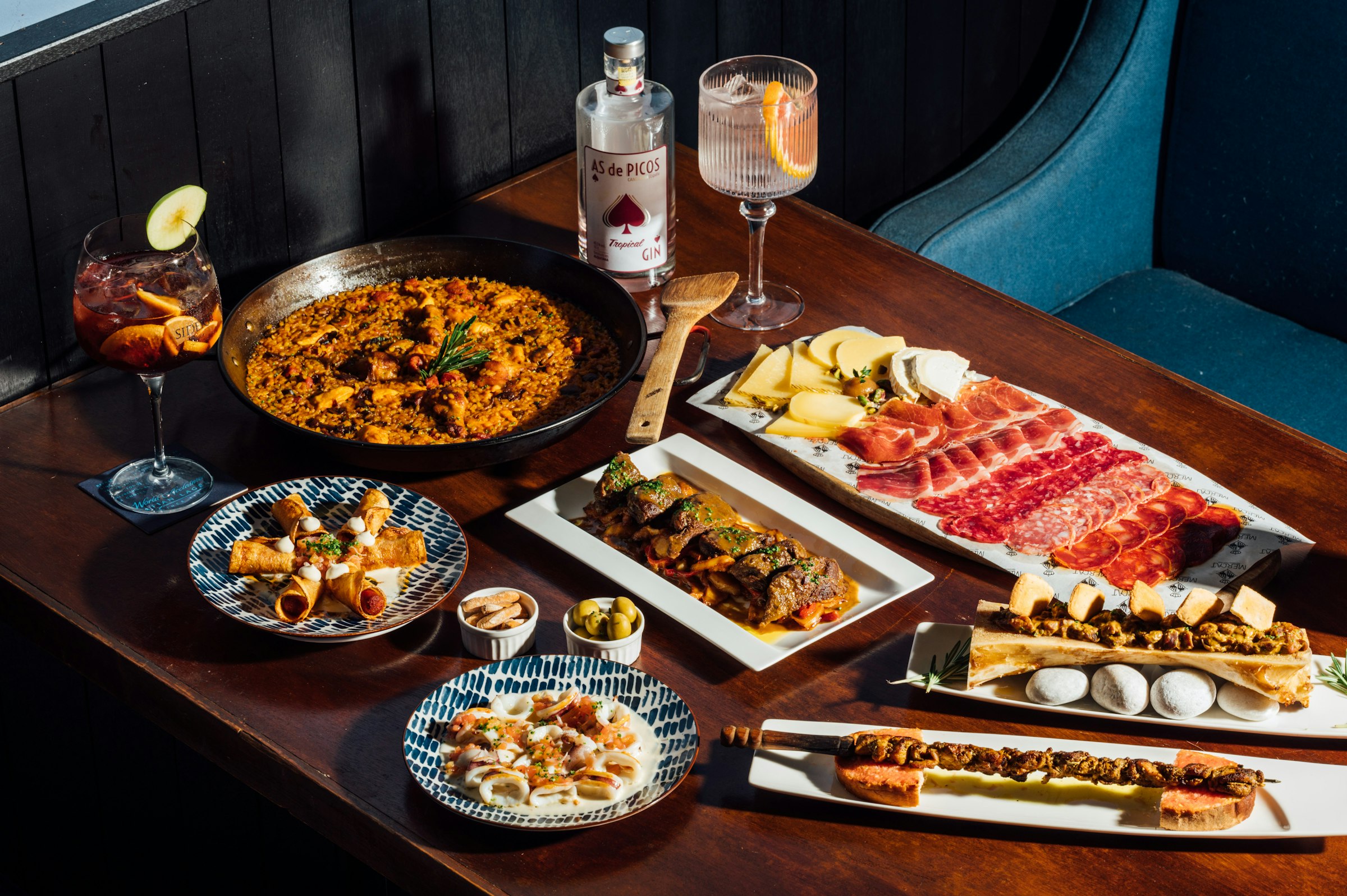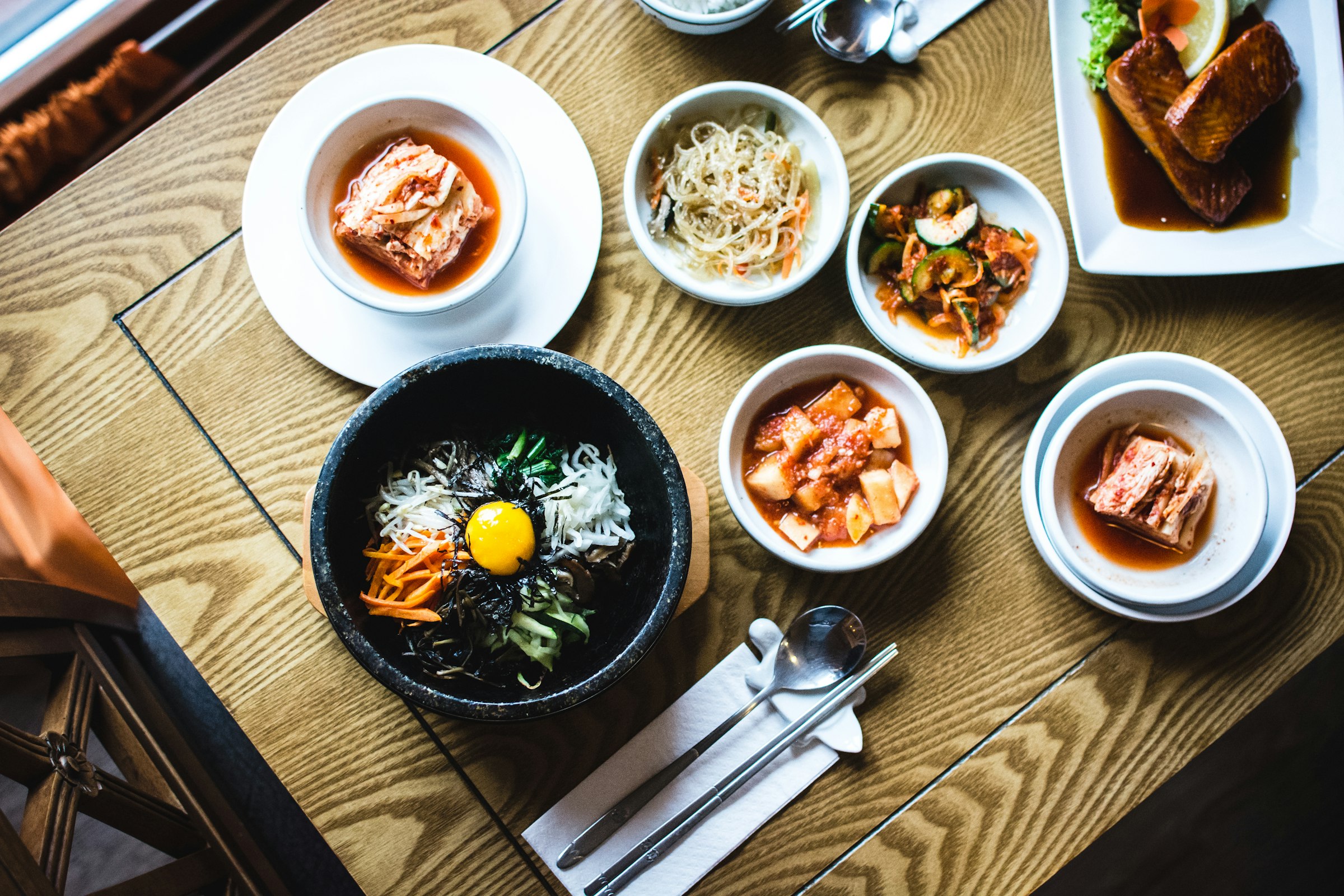
Makgeolli beer food pairing is one of the most deeply embedded culinary traditions in Korean culture — a country where this milky, lightly sour rice brew and the foods that accompany it evolved together over centuries. The classic pairing of makgeolli with savory pajeon (Korean scallion pancake) is so culturally ingrained that rainy day eating across Korea is almost synonymous with the two: something about the sound of rain on a roof, a hot pan of sizzling pancake batter, and a cold bowl of makgeolli feels as inevitable as oysters and Chablis. But the pairing territory extends far beyond that famous combination. Makgeolli’s gentle acidity, soft carbonation, mild sweetness, and living yeast character make it one of the most versatile food companions in the world of fermented beverages.
Getting oriented: What is Makgeolli Beer? The Complete Style Guide → and How to Brew Makgeolli Beer at Home →
The Flavor Principles Behind Makgeolli Pairing
Makgeolli is built from a flavor architecture unlike any Western beer, which means its food pairing logic requires its own framework. Understanding why things work is more useful here than any list of approved combinations.
Mild lactic acidity is the organizing principle. Makgeolli’s tartness comes from Lactobacillus bacteria that co-ferment alongside the wild yeasts in nuruk. This lactic acid is gentler and rounder than the citric or tartaric acids in wine or the mineral sharpness of Berliner Weisse — it behaves more like the acidity in cultured dairy (yogurt, crème fraîche, buttermilk). That means it cuts through fat and richness without creating the sharp clash that higher-acid beverages can produce with fatty foods. It lifts and refreshes rather than cutting.
Sweetness creates a balance point. Unlike dry beers, makgeolli retains residual sweetness from incompletely fermented rice sugars. This background sweetness buffers the lactic tartness and provides a natural bridge to sweet-savory Korean cooking styles — the soy-sugar-sesame triad that appears throughout Korean marinades and banchan (side dishes). The sweetness also makes makgeolli forgiving of spice heat in a way that dry, bitter beers are not: it cools rather than amplifies chile heat.
Gentle carbonation scrubs the palate without overpower. Makgeolli’s natural carbonation is lighter than most carbonated beverages — commercial versions typically range 1.5–2.5 volumes of CO₂, closer to a natural wine than a lager, though home-brewed versions can vary from nearly flat to more actively sparkling. This level of effervescence is exactly right for fatty, oily Korean foods: it lifts grease from the palate between bites without making the beverage feel sharp or aggressive against the food.
Live yeast and rice solids add textural complexity. The suspended sediment in makgeolli — the lees that give it its milky appearance — contributes a soft, almost creamy textural element that pairs naturally with dishes that have their own textural complexity. Crispy-outside-tender-inside foods (pajeon, fried chicken, kimchi pancakes) find a complementary softness in the drink itself.
Umami-friendliness is underappreciated. The nuruk fermentation process produces glutamates and amino acids that register as umami — mild savory depth. This makes makgeolli particularly friendly to umami-rich Korean foods: fermented soybean pastes (doenjang, gochujang), aged kimchi, dried seafood, and anchovy-based sauces. The shared fermentation character creates a bridge flavor that unifies the drink with highly seasoned, fermented foods.
Pajeon — The Canonical Pairing
No pairing in makgeolli’s history is as documented, as culturally resonant, or as functionally perfect as the combination with pajeon (파전), the savory Korean scallion pancake. The pairing is so standard that it functions as a cultural shorthand: in Korea, saying you’re in the mood for makgeolli often implies pajeon is coming. Rainy days make this craving sharper — a widely held folk association suggests the sound of rain on a hot iron pan resembles the sizzle of pancake batter, and the pairing has centuries of popular culture behind it.
The mechanics are straightforward and compelling. Pajeon is made from a batter of wheat flour, rice flour, eggs, and water, mixed with thick-cut green onions (or other vegetables and seafood in variants like haemul pajeon). The pancake is fried in a generous amount of sesame or vegetable oil until the outside crisps and the interior steams through. The result is a food with rich fat from the cooking oil, a slight char from the hot pan, vegetable sweetness from the scallions, and a savory depth from any seafood additions.
Against this, makgeolli’s lactic tartness works as a cleansing contrast to the fat, while the residual sweetness finds common ground with the scallion’s natural sugars. The mild carbonation scrubs the oil from the palate between bites. The rice character in both pancake (rice flour in the batter) and beverage creates a bridge that makes the combination feel like it was designed by the same kitchen. Haemul pajeon (seafood pancake with squid, shrimp, or oysters) takes the pairing further: the maritime brine of seafood amplifies the fermentation character of the makgeolli in the same way oysters amplify certain white wines.
Kimchi and Fermented Foods — Mirror Territory
Kimchi and makgeolli are both lactic acid-fermented products, and the pairing works through an elegant mirror logic: two fermented, tangy, complex foods that share the same microbial language. Fresh (baechu) kimchi offers crunchy texture, chile heat, garlic sharpness, and a clean, bright lactic tang. Aged kimchi develops deeper, funkier acidity, a meatier umami character, and a more complex sour profile. Both work with makgeolli, but in different ways.
Fresh kimchi’s heat is softened by makgeolli’s residual sweetness — the beverage doesn’t amplify the gochugaru chile but rather provides a sweet-cool counterpoint. The shared lactic character creates common ground rather than competition. Aged kimchi (mukimchi) brings more pronounced acidity and umami that pairs through mirror amplification: the deepened fermentation character in both beverage and food reinforces and completes each other.
Doenjang jjigae (fermented soybean paste stew) takes the fermentation pairing into warm territory. The deep umami of aged doenjang, combined with tofu, zucchini, and mushrooms in a hearty stew, finds a natural complement in makgeolli’s own glutamate character. The beverage’s gentle sweetness acts as a bridge across the stew’s savory depth, creating a full, satisfying meal pairing that has been standard in Korean home cooking for generations.
Korean BBQ — Char, Fat, and Acidity
Korean barbecue (samgyeopsal, galbi, bulgogi) is perhaps the single food category where makgeolli’s pairing logic pays the highest dividend. The combination of charred meat, rendered fat, sesame oils, garlic, and soy-based marinades creates a complex flavor environment that makgeolli navigates with remarkable ease.
Samgyeopsal (grilled pork belly) produces rich, fatty slices with a crisp char on the exterior. The lactic acidity in makgeolli cuts through pork fat through contrast — the same mechanism as using vinegar-dressed vegetables alongside pork in European cooking. The mild sweetness provides a counterweight to the slight bitterness of char. The live yeast character and rice solids add textural complexity that balances the yielding texture of pork belly.
Galbi (soy-marinated short ribs) introduces sweetness from the marinade (soy, garlic, pear or Asian pear, sesame) that creates exceptional common ground with makgeolli’s residual rice sweetness and gentle acidity. The Asian pear in traditional galbi marinades echoes the fruity esters produced during makgeolli fermentation. The result is a pairing where the beverage and food seem to have been calibrated for each other.
Bulgogi (thin-sliced beef in a sweet soy marinade) works by a similar mechanism: the sweet-savory marinade character creates mirror alignment with makgeolli’s own sweet-tart balance, while the delicate texture of thin-sliced beef doesn’t overwhelm the beverage’s gentle body.
What to Avoid
Heavily hopped beers or bitter foods: Makgeolli has no bitterness and virtually no hop character, which means strongly bitter foods (radicchio, coffee, dark chocolate) create an imbalance where the food dominates and the beverage disappears.
Aggressively acidic preparations: While makgeolli’s lactic acidity pairs well with mild acids (soy sauce, rice vinegar, light citrus), highly acidic dishes — ceviche dressed with generous lime, heavily vinegar-pickled preparations — can make the beverage’s own tartness seem muddy and unfocused. The acids compete rather than complement.
Very tannic foods: Heavily tannin-bearing foods (bitter, over-steeped teas; heavily oak-influenced preparations) interact poorly with the lactic character of makgeolli, producing a metallic or chalky sensation.
Delicate, neutral dishes: Makgeolli’s fermentation character, mild as it is, can overwhelm very delicate foods — plain white rice, simply steamed white fish without seasoning, plain tofu. The drink’s complexity should find something to work against or with.
Very sweet desserts: Makgeolli’s residual sweetness clashes with very sweet desserts — both seem sweeter, neither seems interesting. Traditional Korean confectionery (tteok / rice cakes) works only with makgeolli that has sufficient tartness to provide contrast against the sweetness of the cakes.
Makgeolli and Korean Cuisine: A Natural Home
Makgeolli finds its deepest pairing territory in Korean cuisine precisely because both evolved together. Korean flavor profiles — the combination of savory (doenjang, ganjang), spicy (gochugaru, gochujang), sweet (rice, fruit-based marinades), and fermented (kimchi, jeotgal salted seafood) — were built in a culinary environment where makgeolli was the default beverage at the table.
Jeon (Korean pancakes) as a category extend far beyond pajeon. Kimchijeon (kimchi pancakes) bring fermented chile heat and depth that mirror makgeolli’s own fermentation character. Tteokbokki (spicy rice cakes in gochujang sauce) pairs through the beverage’s sweetness managing chile heat — a contrast mechanism that makes both food and drink more enjoyable.
Banchan (the small shared side dishes of Korean table culture) are almost universally well-paired with makgeolli: the array of pickled, fermented, and seasoned small bites that accompany every Korean meal find in makgeolli’s gentle complexity a beverage that neither dominates nor disappears against any individual dish.
A Seasonal Perspective
Makgeolli has always been a seasonal drink in Korea, tied to agricultural rhythms and climatic comfort. Spring makgeolli is traditionally lighter and consumed during cherry blossom season — often outdoors at the spring flower-viewing outings that have been a Korean cultural tradition for centuries. The light, fresh versions of the season pair beautifully with spring vegetables: namul (seasoned wild greens) and the season’s first young kimchi.
Summer brings the pajeon-and-rain pairing into its natural season. The refreshing quality of cold makgeolli — its gentle sweetness and cooling carbonation — makes it ideal against the heat and humidity of Korean summers. Cold naengmyeon (buckwheat cold noodles in a lightly soured broth) alongside a bowl of makgeolli is a summer combination with deep cultural roots, the complementary tartness of both dish and drink finding harmony in the season’s heat.
Autumn and winter are seasons for heartier pairings: gamjatang (pork neck bone and potato stew), sundubu jjigae (soft tofu stew), and grilled meats. The warming richness of these foods finds a natural counterweight in makgeolli’s gentle acidity and carbonation.
How to Serve Makgeolli Beer
Serving temperature: Makgeolli is best served cold — 4–8°C (39–46°F) straight from the refrigerator for commercial versions, or 6–10°C (43–50°F) for craft versions where slightly warmer temperature reveals more aromatic complexity. Unlike many craft beers, makgeolli does not benefit from warming to room temperature; its lactic freshness and gentle carbonation are best expressed cold.
Glassware: The traditional vessel for makgeolli is a sabal (사발) — a wide, shallow ceramic bowl that is broader and more open than a standard rice bowl. This wide, open form allows the drink to be gently swirled before each sip to redistribute the settled sediment, and releases aroma gently without concentrating the yeasty character. A traditional Korean ceramic makgeolli bowl set is the most authentic choice for individual service.
Makgeolli is also traditionally served communally from a wide-mouthed sharing vessel called a jabaegi (자배기) or from a jujeonja (주전자) kettle — a communal pouring vessel from which the drink is ladled into individual bowls at the table. This communal, shared-vessel tradition is core to makgeolli culture and worth preserving even in home settings.
For a modern alternative, a wide-mouth ceramic tumbler or a wide wine glass works well. The wide opening is key — it allows the sediment to settle between sips and gives room to swirl before drinking.
What to avoid: Do not serve makgeolli in tall, narrow glasses such as pilsner glasses, highball glasses, or standard beer mugs. The narrow opening concentrates the yeasty aroma unpleasantly and prevents the traditional swirling practice. The wide, open bowl form serves a functional purpose, not just an aesthetic one.
Pouring: Always gently swirl or invert the makgeolli container before pouring to redistribute the settled sediment. The milky white of proper makgeolli comes from suspended yeast and rice solids, which settle within a few minutes of standing. A makgeolli poured without swirling will be thin and clear at the top and chalky at the bottom; swirled, it becomes the opaque, creamy white it should be. Pour into the bowl in a single motion — the carbonation is gentle and will not foam excessively.
Makgeolli’s pairing philosophy is ultimately about harmony within fermentation — a beverage made from the same microbial processes as the foods it accompanies best. When you pair makgeolli with kimchi, pajeon, or a table of Korean banchan, you are sitting at a table where everything on it shares the same ancient language of lactic fermentation, grain sweetness, and communal generosity.
Explore more: – What is Makgeolli Beer? The Complete Style Guide → – How to Brew Makgeolli Beer at Home →
Brew Cartographer explores the history, geography, and craft of rare and forgotten beer styles. Subscribe to our newsletter for new expeditions every week.