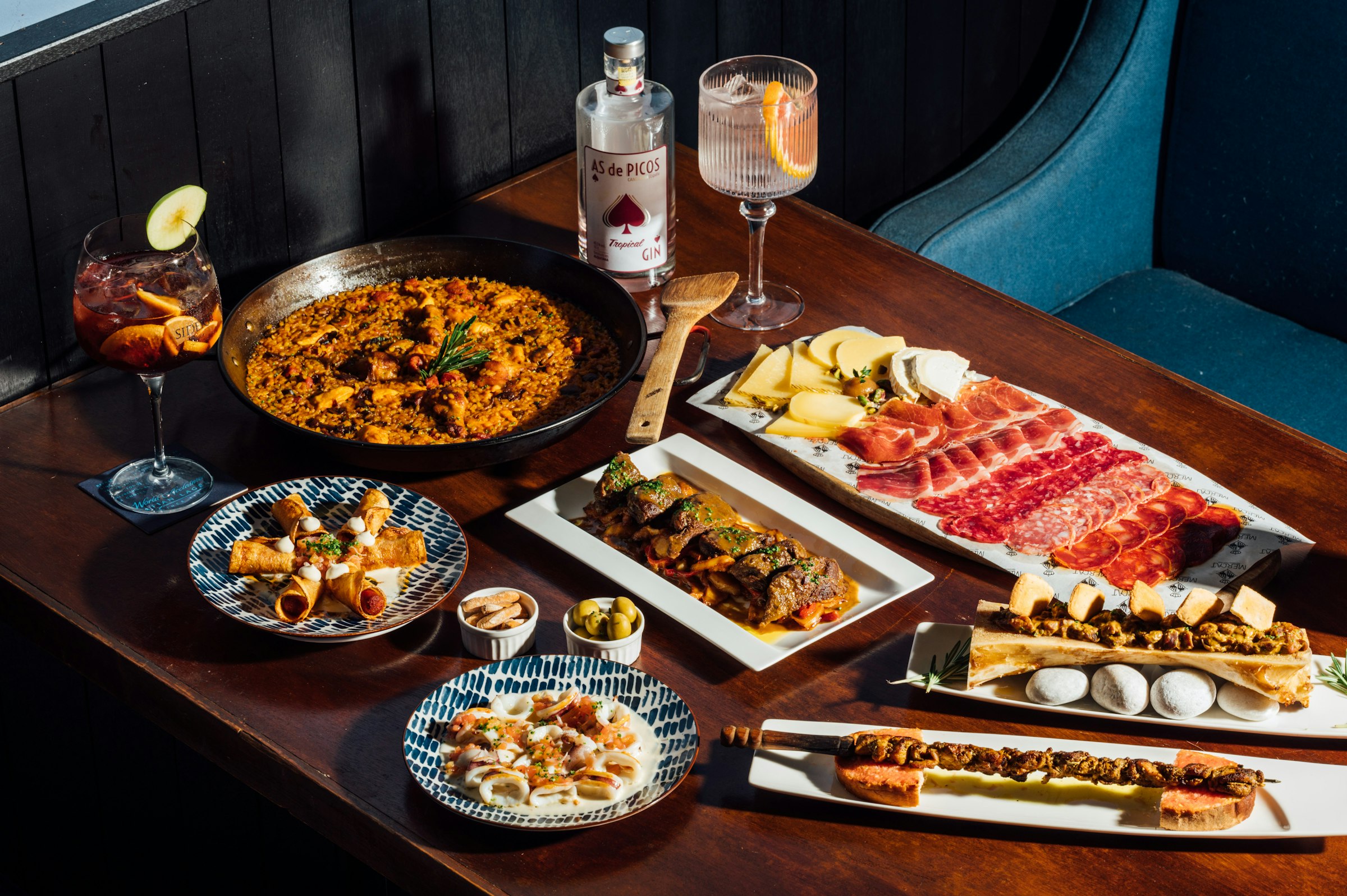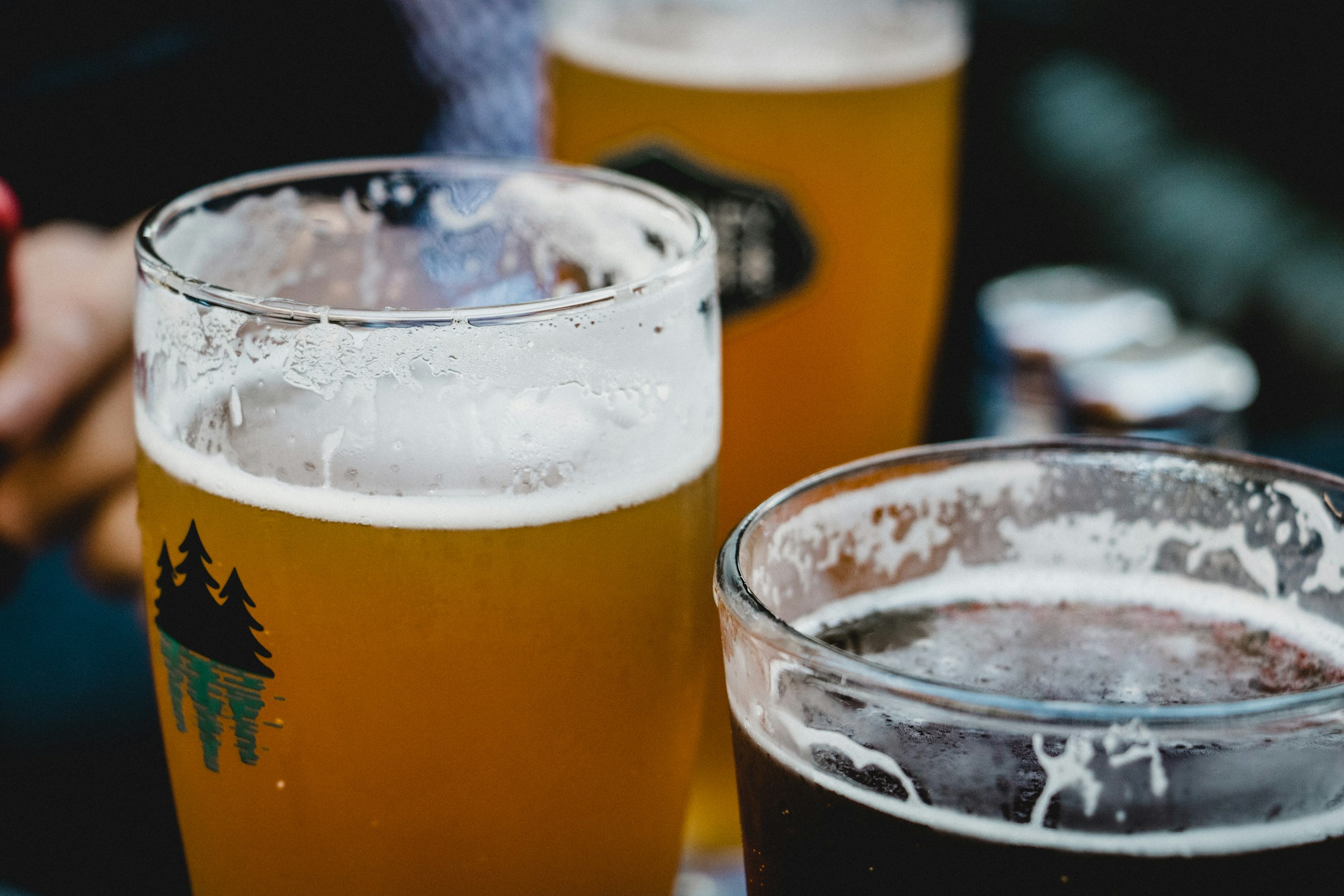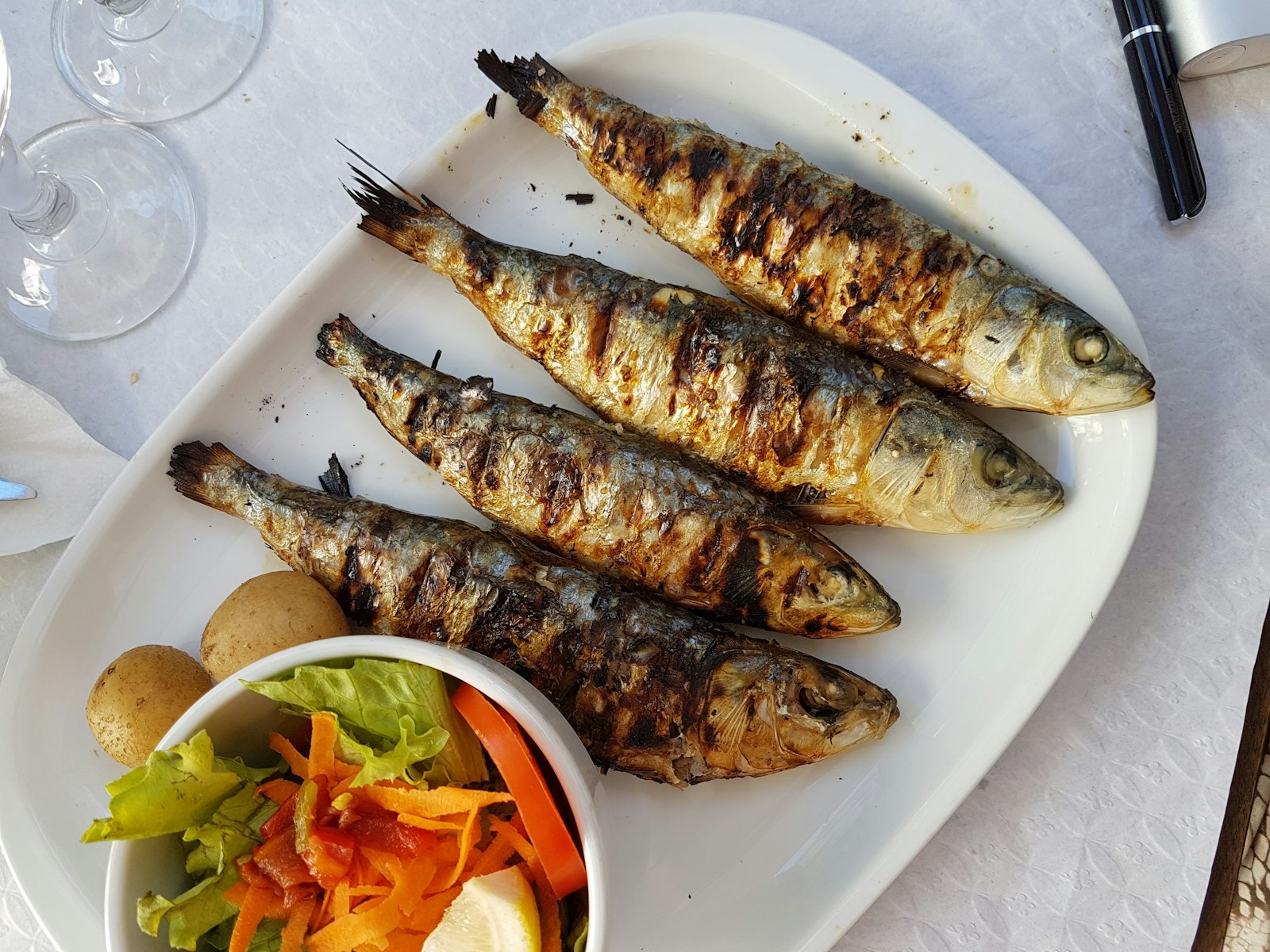
Australian Sparkling Ale food pairing rewards a different kind of thinking than most beer styles — because this is a beer defined not just by flavor but by carbonation, esterification, and live yeast activity, it interacts with food in ways that are both more forgiving and more revealing than the average pale ale. Get the pairing right, and the beer’s lively carbonation, fruity esters, and clean dry finish function almost like a culinary tool.
This guide maps the best food pairings for Australian Sparkling Ale — the mechanisms behind why they work, the dishes that bring out the best in the style, and the pairing territory to avoid. For the full style background, see What is Australian Sparkling Ale? →. If you want to brew it yourself, see How to Brew Australian Sparkling Ale at Home →.
The Flavor Principles Behind Australian Sparkling Ale Pairing
Australian Sparkling Ale brings three distinct flavor elements to the table, each of which does specific work when matched with food.
The first is high carbonation. At 2.5–3.0 volumes of CO₂, Australian Sparkling Ale is among the more highly carbonated ale styles. Carbonation acts as a palate scrubber: the CO₂ physically lifts fat and oil from the tongue, restoring freshness between bites. This makes the style an excellent companion to rich, oily, or fatty foods — fried fish, grilled meats with rendered fat, creamy sauces — where the bubbles continually reset the palate. The effect is particularly noticeable with foods that linger on the tongue; after a bite of fried battered fish, a mouthful of Australian Sparkling Ale clears the slate far more effectively than a still beer at the same bitterness level.
The second element is fruity ester character — specifically the apple and pear notes produced by the Coopers-style yeast strain during fermentation. Esters bridge the gap between beer and food by finding common aromatic compounds in the dish. The apple-adjacent esters work exceptionally well with pork and poultry, where roasted fats produce similar aromatic compounds during browning; with fermented foods like aged cheese, where ester chemistry overlaps; and with stone fruit desserts like peach tart or apricot cake. The fruity character provides a bridge mechanism: the beer’s esters meet the dish’s flavors on common ground rather than competing.
The third is the dry, clean finish driven by high attenuation and modest bitterness (20–35 IBU). Australian Sparkling Ale finishes drier than most English ales, without lingering sweetness. This dryness contrasts effectively with salty and savory dishes — salt amplifies the fruitiness while the dry finish prevents mutual sweetness buildup. It also makes the beer suitable for spiced and chili-forward foods, where a residually sweet beer would amplify heat; the dry finish instead provides a brief respite before the next bite.
The yeast, whether present as sediment or not, contributes a mild lactic-adjacent complexity that adds an extra flavor dimension to pairings with aged or fermented foods — cheeses, charcuterie, and pickled vegetables all show better with a roused, yeasty pour than with a crystal-clear one.
Seafood — The Classic Pairing
Australian Sparkling Ale and seafood is one of the great regional beer-and-food pairings that most of the world outside South Australia doesn’t know about. The combination works for multiple reasons that stack on top of each other rather than just overlapping.
Fried fish and beer batter: This is the definitive match. The beer’s high carbonation scrubs fat from fried batter, the modest bitterness cuts the oiliness of the fry, and the fruity esters play off the sweetness of white fish flesh. Battered flathead, whiting, or barramundi — any mild, sweet-fleshed white fish — is elevated by a cold Australian Sparkling Ale more than by almost any other beer style. The combination is not accidental; the beer and the food developed alongside each other in South Australia.
Grilled prawns: The Maillard flavors from charred prawn shells find their mirror in the beer’s bready malt base, while the fruity esters pick up the natural sweetness of the prawn meat. Serve with a squeeze of lemon, which pushes the beer’s apple character forward.
Oysters: Less intuitive than the Gose/oyster pairing but genuinely excellent. Australian Sparkling Ale lacks Gose’s salt and acid, but the high carbonation and dry finish do the same structural work: they clean between oysters, preventing the salt and iron from accumulating across the palate. The fruity ester character works particularly well with Sydney Rock Oysters, known for their distinctly sweet, melon-adjacent flavor profile.
Meat and Poultry
Roast chicken: The textbook bridge pairing. The beer’s apple-pear ester profile mirrors compounds produced when chicken skin renders and caramelizes at high heat — particularly when the chicken is seasoned with thyme or tarragon. The carbonation cuts through the skin’s rendered fat. Few pairings feel as instinctively correct as cold Australian Sparkling Ale with properly roasted chicken.
Pork sausages (snags): In South Australia, the cultural pairing of Coopers Sparkling Ale with a backyard barbecue sausage is approximately as fundamental as Champagne and oysters in France. The pairing works through contrast: the beer’s lively carbonation and dry finish reset the palate between each rich, fatty mouthful. Pork and the beer’s fruity esters are natural allies — apple and pork is a centuries-old flavor bridge, and here it operates at the level of the beer itself.
Pork belly: The richer the pork cut, the more the beer’s carbonation earns its keep. A well-braised or slow-roasted pork belly with a caramelized crust is exactly the kind of dish that requires a high-carbonation companion to prevent richness from overwhelming. The dryness of the finish also works in contrast to the fattiness of the meat.
Spiced lamb: Australian Sparkling Ale handles spiced dishes well — the fruity esters pick up cumin, coriander, and warm spice flavors, and the dry finish prevents heat from accumulating. A cumin-spiced lamb kofta or a Moroccan-influenced braise finds genuine harmony with the beer’s aromatic profile.
Cheese and Fermented Foods
The yeasty complexity of a cloudy-poured Australian Sparkling Ale shifts this style into productive pairing territory with cheeses and fermented foods that would be awkward companions for a filtered lager.
Aged cheddar: The fruity esters find common ground with the pineapple and sharp-fruit notes of a well-aged cheddar. Serve the beer roused (cloudy) for maximum yeast character; the slight lactic edge from the live yeast cuts through the cheddar’s butterfat in a way that a clean beer cannot quite match.
Washed-rind cheeses: A bold pairing, but one that works. The funky, pungent character of a washed-rind — Époisses, or an assertive Australian washed-rind from producers like Milawa Cheese Company — is cut by the carbonation and the beer’s dry finish, while the fruity esters bridge toward the cheese’s yeasty, fruity complexity. Not for every diner, but revelatory for those who like it.
Charcuterie and cured meats: Prosciutto, bresaola, or South Australian smallgoods pair well on the salt-amplification principle: the salt in cured meats pushes the beer’s fruit character forward while the carbonation clears the palate of the meats’ characteristic fat coating.
What to Avoid
Heavy red wine braised dishes: Big red wine braises — boeuf bourguignon, osso buco — carry such concentrated, wine-forward flavors that Australian Sparkling Ale’s more delicate ester profile gets lost. The beer’s subtlety is overwhelmed. Save these dishes for a robust red wine or a darker, maltier beer.
Very bitter foods: Australian Sparkling Ale has modest bitterness (20–35 IBU), and pairing it with very bitter foods — radicchio salad, over-charred vegetables, bitter melon — risks an additive bitterness effect. The beer’s IBU range is not high enough to contrast with extreme bitterness; it simply compounds it.
Chocolate and rich desserts: The beer’s dryness and moderate bitterness clash with the fat and sugar of rich chocolate desserts. A porter or stout is the beer for chocolate; Australian Sparkling Ale finds itself texturally at odds with anything dense and sweet.
Strongly pungent curries: High-heat, oil-heavy Indian or Thai curries can overwhelm the beer’s fruity delicacy. The beer is better suited to medium-spiced dishes than to the most aggressive curry preparations.
Raw onion-dominant dishes: Raw onion flavors amplify bitterness in beer in a way that is unpleasant for most styles, including this one. Cooked onion is fine; raw onion in quantity is best paired with a different drink.
Australian Sparkling Ale and Australian Cuisine
This is the natural habitat. Modern Australian cuisine — which draws heavily on Pacific Rim influences while remaining anchored in the country’s British colonial foodways — maps almost perfectly onto Australian Sparkling Ale’s flavor profile.
Barramundi with macadamia crust and finger lime gel. Kangaroo with bush tomato chutney. Moreton Bay bugs (slipper lobsters) grilled with garlic butter. Meat pies from a South Australian bakery. Each dish finds something specific in the beer: the macadamia’s richness yields to the carbonation, the bush tomato’s tartness bridges to the fruity esters, the slipper lobster’s sweetness echoes the beer’s gentle fruit. This is food and beer that evolved together, in the same place, for the same people, and the pairings feel earned rather than engineered.
Even outside formal Australian cuisine, the broader principle holds: anything that goes well at an outdoor gathering in hot weather — anything grilled, fried, or simply assembled from good local ingredients — tends to go well with Australian Sparkling Ale.
How to Serve Australian Sparkling Ale
Serving temperature: Serve at 7–10°C (45–50°F) for the best aromatic expression and food pairing performance. Note that in South Australian pubs, Coopers Sparkling Ale is typically served cold — closer to 4–6°C (39–43°F) — straight from the refrigerator. The 7–10°C (45–50°F) range represents the optimal temperature for experiencing the beer’s full aromatic character, which is particularly important for food pairing. For drinking without food at the end of a hot day, serve colder.
Glassware: The most culturally associated glass for Australian Sparkling Ale in its home country is the schooner glass — a pub tumbler holding approximately 425 ml (14.4 fl oz) in Australian standard measure. While not a specialist craft glass, the schooner is the vessel in which this beer has been enjoyed in South Australian pubs for generations, and its size and shape suit the style well: the wide mouth allows the carbonation to express itself, and the manageable size means the beer stays cold throughout.
A nucleated pint glass makes an acceptable modern alternative — the etching at the base maintains the persistent carbonation cascade that defines the visual experience of a freshly poured bottle-conditioned ale.
Avoid wine glasses: the broader bowl diffuses the carbonation too quickly, and the beer loses its defining effervescence before it reaches the middle of the glass. Avoid mugs: the insulating mass keeps the beer too warm, and the visual experience of the pour is lost.
Pouring technique: Australian Sparkling Ale offers two authentic serving methods, and neither is wrong:
The cloudy pour (traditional): Hold the bottle at waist level and roll it back and forth several times to rouse the yeast sediment. Pour the entire bottle into the glass in one continuous motion, incorporating the yeast. The beer will be opaque, golden-amber, and alive with carbonation. This is how it is most commonly served in South Australian pubs and how Coopers intends the beer to be experienced.
The crystal pour: Pour slowly and carefully, tipping the glass at an angle and gradually straightening as it fills, stopping before the yeast sediment reaches the bottle neck. The result is a clear, golden beer. This approach was popularized by a certain demographic of South Australian drinkers who found the cloudy version too assertive, but it represents the same beer in a different register — cleaner, lighter, and less complex.
Australian Sparkling Ale is a beer that rewards the same quality of attention given to a good white wine — specific about temperature, responsive to glassware, alive to the food it accompanies. The South Australians who drink it instinctively know this. The rest of the world is still catching up.
Explore more: – What is Australian Sparkling Ale? The Complete Style Guide → – How to Brew Australian Sparkling Ale at Home →
Brew Cartographer explores the history, geography, and craft of rare and forgotten beer styles. Subscribe to our newsletter for new expeditions every week.