Flanders Red ale food pairing is an exercise in wine-like thinking applied to beer. This tangy, oak-aged Belgian style has the structure, acidity, and complexity to match dishes that most beers can’t touch — rich proteins, pungent cheeses, and anything preserved in vinegar or salt. If you’ve been reaching for an expensive wine to pair with dinner, try a Flanders Red instead and you’ll immediately understand why this beer deserves serious table consideration.
This pairing guide explains the flavor science behind Flanders Red pairings, explores specific food matches across categories, and covers the proper serving ritual. You’ll also find links to our What is Flanders Red Ale? style guide and How to Brew Flanders Red at Home if you want to understand the beer’s history or attempt brewing it yourself.
The Flavor Principles Behind Flanders Red Pairing
Understanding Flanders Red food pairing starts with understanding the beer’s structure. Unlike most pale ales (which pair through complementary hop bitterness) or stouts (which pair through shared roasted flavors), Flanders Red pairs through acidity, tannin, and fruit character — mechanisms you recognize from wine pairing.
Acidity as a Pairing Tool The lactic acid in Flanders Red (typically pH 3.0–3.5) acts like citrus or vinegar on the palate. Acidity cuts through fat, scrubs the palate clean, and prevents heavy foods from feeling cloying. Pair Flanders Red with rich meats, buttery sauces, and fatty fish, and the acid immediately brightens the dish. This is the same mechanism that makes lemon juice essential to butter sauces and why wine drinkers pair Pinot Noir (a naturally acidic red) with salmon — acidity is fat’s enemy.
Tannin and Bitter Elements The oak contact and Brettanomyces in Flanders Red introduce subtle tannins (from wood) and earthy bitterness (from Brett). These elements pair with salt, umami-forward dishes, and foods with slight char or charred flavor. Grilled meats, aged cheddar, and bitter greens all find common ground with the beer’s slight bitterness.
Red Fruit and Dark Flavors The cherry, plum, and dried fruit notes in Flanders Red create flavor bridges to food. A beer that tastes like cherry liqueur pairs naturally with duck, pork, and game birds (all meats with slight game flavor that echoes the fruit in the beer).
Carbonation and Palate Sensation Flanders Red’s moderate carbonation (2.0–2.5 volumes CO₂, lower than most ales) creates a gentler mouthfeel that doesn’t overpower delicate dishes. The light fizz still scrubs the palate between bites, but without the aggressive bubbling of a pilsner or IPA. This makes Flanders Red suitable for refined, multi-course meals where palate sensitivity matters.
Primary Pairing: Aged Cheese and Cured Meats
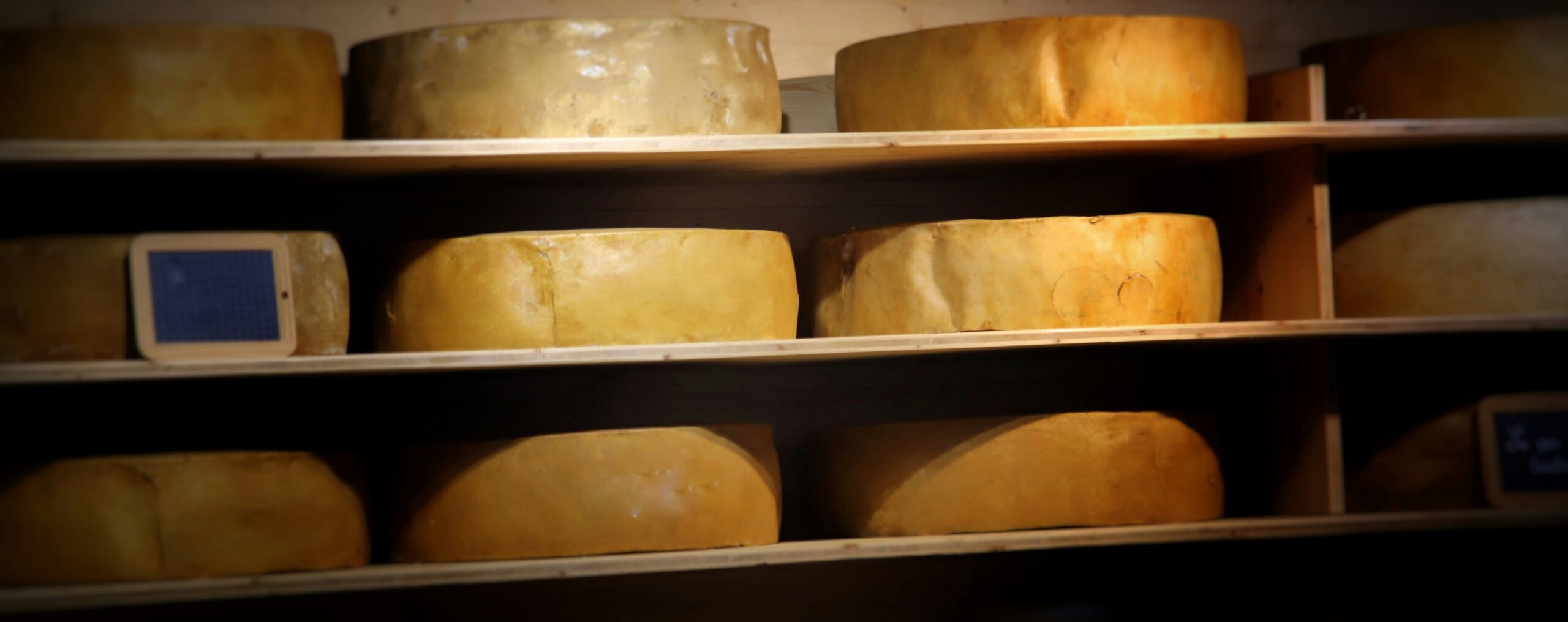
The most natural pairing for Flanders Red is aged cheese. The beer’s acidity complements the sharp, salty intensity of aged cheddar, gouda, and gruyère. The fruit notes echo the caramelized flavors in hard cheeses. The oak tannins add complexity that stands up to months of aging.
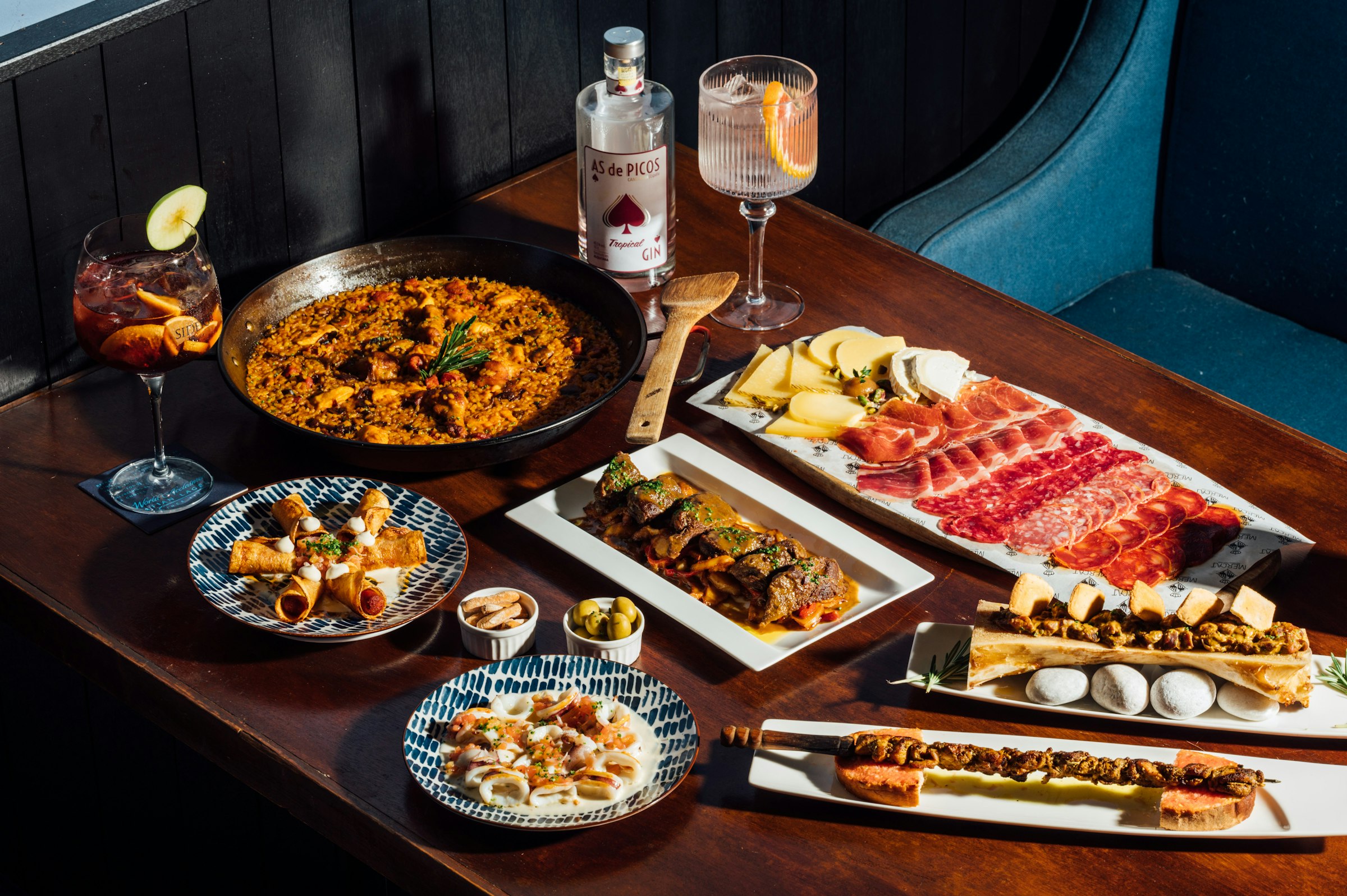
Specific matches: – Aged Cheddar (18+ months) — The sharpness and slight crystalline crunch find echo in the beer’s tartness. A 3-year Vermont or English cheddar is exceptional. – Aged Gouda (24+ months) — The caramel and slight sweetness of aged Gouda meet the beer’s red fruit perfectly. Try Beemster Classic or aged North Holland. – Gruyère (36+ months) — Swiss gruyère’s umami depth and the subtle spice of long aging pair with the beer’s earthiness. The acidity cuts through the richness. – Taleggio — An Italian semi-soft with a washed rind and fruity notes. The beer’s acidity complements the cheese’s subtle tang and soft, approachable character. – Aged Manchego — Spanish sheep’s cheese with nutty, slightly briny character. Pairs beautifully with the beer’s fruit and acid.
Cured Meats The acidity and mild bitterness in Flanders Red cut through salt and fat in cured meats. Pair with prosciutto, soppressata, and Spanish chorizo. The beer’s fruit notes echo the slight oxidative sharpness of aged cured meat.
Secondary Pairings: Seafood and Fatty Fish
Smoked Fish Flanders Red’s acidity and earthy notes pair exceptionally well with smoked salmon, smoked mackerel, and smoked trout. The smoke and salt create a savory backdrop for the beer’s tartness. Try a composed dish: smoked salmon, dill, mustard on rye — the beer’s acid bridges the smoky salt and the crispness of rye.
Oysters and Seafood The beer’s moderate carbonation and tartness pair with raw oysters, though this is wine pairing territory. The acidity echoes the oyster’s brine, and the gentle fizz doesn’t overwhelm delicate shellfish. Pair with oysters on the half shell with lemon.
Fatty White Fish (Halibut, Turbot) Flanders Red’s acidity is perfect with richly prepared white fish, especially when served with butter sauce or cream. The lactic acid cuts the richness without overpowering the fish’s delicate flavor.
Meat Pairings: Pork, Duck, and Game
Pork Pork’s mild flavor and moderate fat content make it an ideal partner for Flanders Red. The beer’s fruit notes echo pork’s slight sweetness. Pair with: – Roasted pork loin with apple sauce (the beer’s tartness meets the apple’s) – Pork schnitzel with mushroom cream sauce – Braised pork cheeks with red wine reduction (the beer echoes the wine’s acidity and fruit)
Duck Duck’s rich, gamy flavor pairs beautifully with Flanders Red’s dark fruit and acidity. The beer’s acidity cuts the duck’s fattiness while the fruit complements game flavor. – Roasted duck breast with cherry gastrique (the beer echoes the cherry) – Duck confit with mushrooms and roasted vegetables (the beer’s acidity cuts the confit’s richness)
Game Birds (Partridge, Grouse, Pheasant) Game birds have strong, slightly sweet flavor that pairs with the beer’s red fruit. The acidity bridges the game’s intensity and any heavy sauce.
Lamb and Beef Flanders Red’s acidity is gentler than you need for beef, but works well with lamb. Pair lamb stew or braised lamb shoulder (long, slow-cooked to increase tenderness and develop sauce complexity) with Flanders Red. The beer’s fruit and acid complement the meat’s richness.
What to Avoid
Spicy Foods Flanders Red’s moderate carbonation (compared to high-carbonation styles like pilsners) doesn’t cool spice as effectively as beers with aggressive bubbling. Avoid pairing with Thai curries, vindaloos, or anything relying on capsaicin heat. The beer’s acidity may amplify spice sensation rather than moderate it.
Sweet Desserts Flanders Red’s tartness and low residual sugar make it a poor match for sweet desserts. The acidity creates an unpleasant contrast with sugar. Exception: desserts with cherry or dark fruit filling, where the beer’s fruit notes create harmony rather than conflict.
Lighter, Delicate Fish (Sole, Flounder) The beer’s assertive sourness and tannin can overwhelm delicate white fish. Reserve Flanders Red for richer fish (salmon, mackerel) or fish with sauce.
Heavily Acidic Foods (High Vinegar or Vinegar-Based Dishes) While Flanders Red works in dishes with fat that moderates acid interaction (like pickled vegetables with rich duck confit), avoid pairing with heavily acidic foods where vinegar or lemon dominates the flavor. Two competing acid sources create mouth-puckering harshness rather than harmony. For example, a salad heavily dressed in vinaigrette is a poor match; a composed plate of duck confit with roasted vegetables and a small amount of pickled element is fine.
Seasonal Perspective
Spring Flanders Red’s tartness and moderate alcohol make it excellent for spring entertaining. Pair with fresh asparagus (roasted with olive oil and garlic — the salt and slight char benefit from acidity), spring lamb, and aged cheeses emerging from winter storage. A composed plate of pâté, sharp cheddar, and fresh herbs is spring Flanders Red territory.
Summer The beer’s wine-like profile makes it ideal for summer charcuterie boards and casual outdoor entertaining. The moderate carbonation and tartness prevent heaviness even in warm weather. Pair with smoked fish, aged gouda, fresh herbs, and good bread.
Fall Fall is Flanders Red’s season. The beer’s fruit notes meet apple and pear. Pair with roasted pork, braised duck, mushroom-forward dishes, and aged cheeses. A composed plate of roasted chicken, mushroom cream sauce, and a sharp aged cheddar is quintessential fall Flanders Red.
Winter Flanders Red’s acidity and fruit are warming in winter. The beer pairs with hearty braises, game birds, and rich stews. A beef or lamb stew, slowly braised until tender, with the beer’s acidity cutting through the braise and echoing any wine in the pot.
How to Serve Flanders Red Beer
Serving Temperature Serve Flanders Red at 8–12°C (46–54°F) — cool but not cold. This temperature allows the beer’s complex fruit and oak character to express without the muting effect of extreme cold. Most home refrigerators run at 4°C (39°F), which is too cold; remove the bottle 15–20 minutes before serving, or place in a cooler with ice and water to hit the target temperature. Younger Flanders Reds may benefit from the cooler end of this range (8°C); more aged bottles open up nicely at 10–12°C (50–54°F).
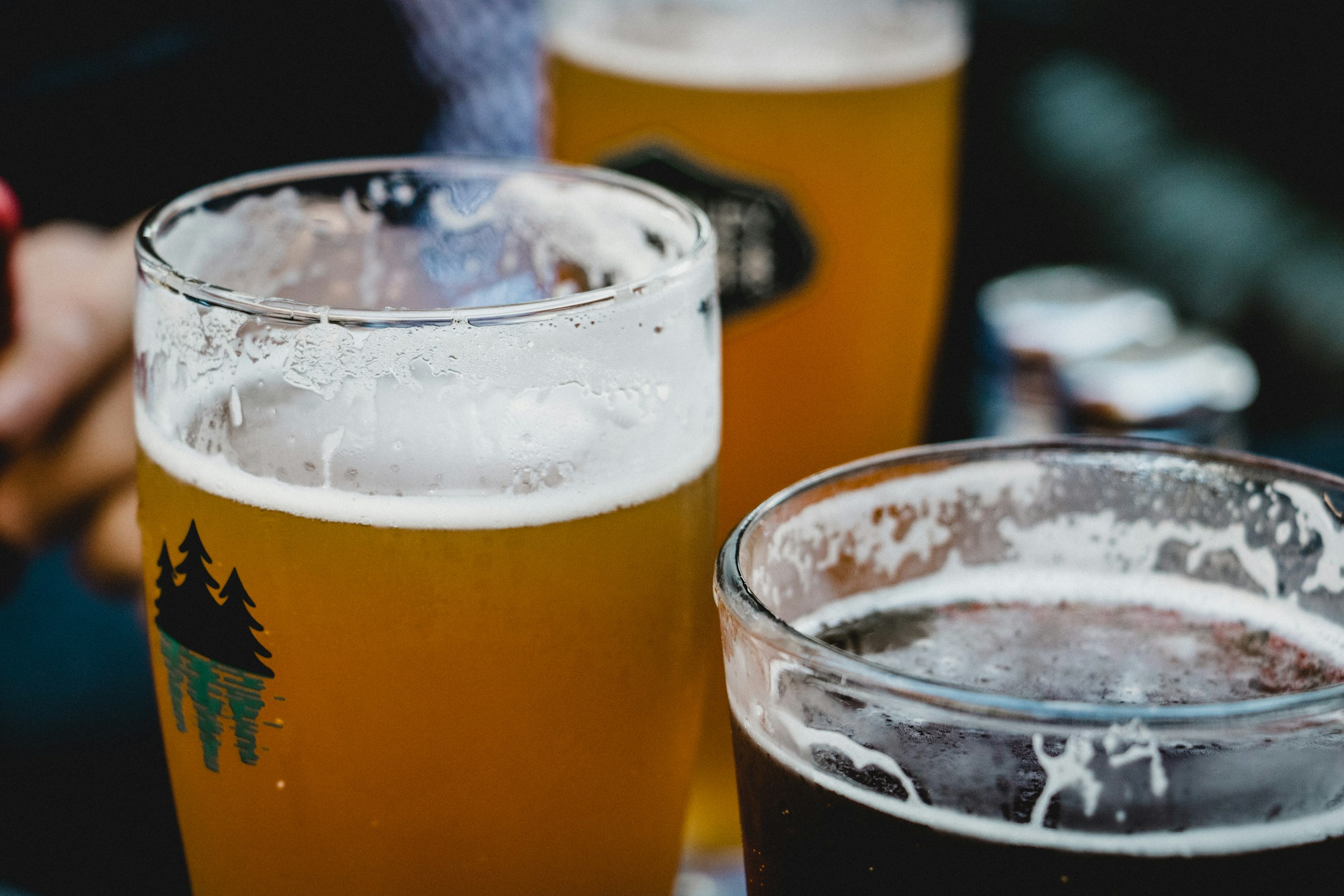
Traditional Glassware The traditional vessel for Flanders Red is a tulip glass or wine glass. These shapes honor the beer’s wine-like character: – Tulip glass — The tulip shape narrows at the rim, concentrating aroma toward the nose and creating a pleasing visual presentation. Height allows carbonation to settle, releasing aroma without excessive foam. – Wine glass — A standard white wine or burgundy glass works equally well. The bowl shape allows the beer’s color to shine, and the stem prevents hand warmth from raising the beer’s temperature.
Both shapes treat Flanders Red with seriousness, signaling to the drinker that this is not casual beer, but a considered, wine-like experience.
What to Avoid Do not serve in a standard pint glass, mug, or any vessel with excessive headspace. These shapes dissipate aroma and treat the beer as mere commodity. The pint glass especially undercuts Flanders Red’s sophistication.
Pouring Technique Pour slowly to maintain a thin, delicate head (approximately ½ inch / 1 cm). Tilt the glass to 45 degrees as you pour, then straighten to upright. The goal is controlled carbonation release and a head that settles quickly. Flanders Red’s low carbonation means no aggressive pour is necessary — a gentle pour shows respect for the beer’s character.
Allow the beer to rest 2–3 minutes after pouring. Carbonation will settle, and aroma will develop. Observe the color against light before tasting — the deep garnet becoming ruby at the edges is part of the sensory experience.
Flanders Red ale asks the drinker to slow down, to observe color and aroma, and to consider pairing with the same seriousness usually reserved for wine. In return, it offers complexity, age-ability, and flavor development that few beers can match. When you approach Flanders Red as food-friendly, sophisticated beer — not as alternative to wine, but as equal — the pairing possibilities expand dramatically.
Ready to go deeper? – What is Flanders Red Ale? → – How to Brew Flanders Red Beer at Home →
Brew Cartographer explores the history, geography, and craft of rare and forgotten beer styles. Subscribe to our newsletter for new expeditions every week.