Chicha de jora beer food pairing opens a door to one of the world’s oldest brewing traditions—a style that predates European beer by millennia and speaks a completely different flavor language. Unlike the crisp, bitter beers that dominate modern tables, chicha de jora arrives with gentle corn sweetness, mild acidity, and a soft, almost creamy mouthfeel that transforms how you think about what a beer can do alongside food. This ancient Andean brew doesn’t compete with bold flavors; it bridges them, creating a drinking experience that feels less like confronting a meal and more like completing it.
In this guide, we’ll map the pairing territory for chicha de jora—from the Peruvian and Andean classics it was born to accompany, to surprising discoveries in grilled meats, fresh salads, and soft cheeses. We’ll explain the flavor principles that make these pairings work, how to serve this style with respect to its traditions, and when chicha shines brightest on the calendar. Whether you’re exploring What is Chicha de Jora Beer? → or already seeking How to Brew Chicha de Jora →, this article will help you understand the beer’s extraordinary versatility alongside food.
The Flavor Principles Behind Chicha de Jora Pairing
To pair chicha de jora thoughtfully, you need to understand how its flavor components interact with food. This beer doesn’t operate by the rules of European brewing tradition, and that’s precisely what makes it such a powerful pairing tool.
Acidity as a fat bridge. Chicha de jora develops a mild lactic acid during fermentation—the result of wild yeast and bacterial activity in the traditional brewing process. This acidity cuts through richness in much the same way lime juice does in ceviche or vinegar does in a salad dressing. Unlike the sharp tang of a sour beer, chicha’s acidity is gentle and almost medicinal, which means it works with delicate proteins as well as fatty ones. When you pair chicha with buttery, oily, or richly seasoned foods, the acidity physically breaks down fat molecules on your palate, refreshing it for the next bite.
Grainy sweetness without heaviness. The beer’s foundation is corn—maize that’s been sprouted, dried, and fermented. This creates a sweetness that’s immediately recognizable as grain-forward, almost like dried corn silk or the subtle sweetness of cornmeal. Importantly, this sweetness is not cloying. The fermentation process consumes most of the sugar, leaving behind a dry finish with just enough residual flavor to echo the corn used to build the beer. This quality makes chicha an exceptional companion to savory Andean dishes: the sweetness complements umami and spice without overwhelming them.
Minimal bitterness means dairy harmony. European ales and lagers rely on hops to provide bitterness—a flavor that can clash with creamy textures. Chicha de jora contains little to no hop bitterness. Instead, any subtle bitterness comes from roasted grains or the brewing process itself. This absence of bitter compounds means soft cheeses, fresh dairy, and cream-based sauces sit beautifully alongside chicha. The beer doesn’t fight dairy; it embraces it, creating pairings that would feel rough with a traditional IPA or pilsner.
Low carbonation: gentle palate refreshment. Chicha’s soft, almost flat carbonation is not a flaw—it’s a feature. Carbonation’s primary job is to physically scrub fat and oil from your palate through the agitation of CO₂ bubbles. Chicha’s gentle carbonation means this refreshment happens quietly, almost imperceptibly. This makes the beer ideal for situations where you want accompaniment rather than cleansing: a slow meal, a feast where courses build on one another, or situations where you’re sipping rather than drinking between courses.
Earthy, mineral character. Many traditional chicha recipes include herbs—often from local Andean plants—along with the corn base. Even when herbs are minimal, the fermentation and storage process in clay vessels can impart a subtle earthiness, almost like stone dust or wet clay. This minerality connects the beer to the landscape it comes from and creates an almost invisible bridge to vegetables, root crops, and any food that carries the flavors of the earth.
Andean Classics — The Natural Pairing Territory
These pairings aren’t recommendations—they’re a kind of culinary memory. Chicha de jora has been consumed alongside these dishes for centuries, and the pairing works because the flavors evolved together.
Ceviche. The Peruvian national dish—raw fish cured in citrus—is chicha’s most natural partner. The lime juice in ceviche and the beer’s mild acidity create a bright, almost refreshing combination. The tender raw fish and the beer’s soft carbonation feel delicate together, and the corn sweetness echoes any corn-based sides (like cancha, the fried corn kernels served with ceviche). The mineral quality of chicha connects to the sea salt in the dish. Sip chicha between bites, and the beer quietly cleans your palate while the citrus lingers.
Lomo saltado. Strips of beef stir-fried with onions, tomatoes, and served with rice and potatoes—this is comfort food elevated. The richness of the beef, the slight char from the wok, and the brightness of the tomatoes find balance in chicha’s acidity and gentle sweetness. The beef’s umami is complemented rather than challenged by the corn-forward character. The beer’s low bitterness allows the savory depth of the dish to shine without competition.
Anticuchos. These Peruvian grilled meat skewers—traditionally beef heart, though now chicken or pork—are seasoned with cumin, aji (peppers), and vinegar. Chicha’s corn sweetness bridges the vinegar and spice, while the acidity cuts through the charred exterior. If the anticuchos include potatoes or onions, chicha’s earthy character connects to the vegetable base.
Papa a la huancaína. Boiled potatoes covered in a rich, creamy sauce made from aji amarillo (yellow peppers), evaporated milk, and Peruvian cheese. This dish is pure indulgence—creamy, slightly sweet, with gentle heat from the peppers. Chicha’s lack of hop bitterness is critical here; the beer embraces the dairy without the clash you’d feel with a hoppy ale. The corn sweetness echoes any corn components in the sauce, and the acidity provides just enough lift to prevent the heaviness from overwhelming.
Cuy (roasted guinea pig). In Andean cuisine, guinea pig is what special occasions taste like—succulent, flavorful, often served whole. The meat is rich and slightly gamey. Chicha’s acidity cuts through the richness, while its corn sweetness doesn’t compete with the dish’s herbal seasoning. The mineral earthiness of the beer connects to the high-altitude origins of both the animal and the drink.
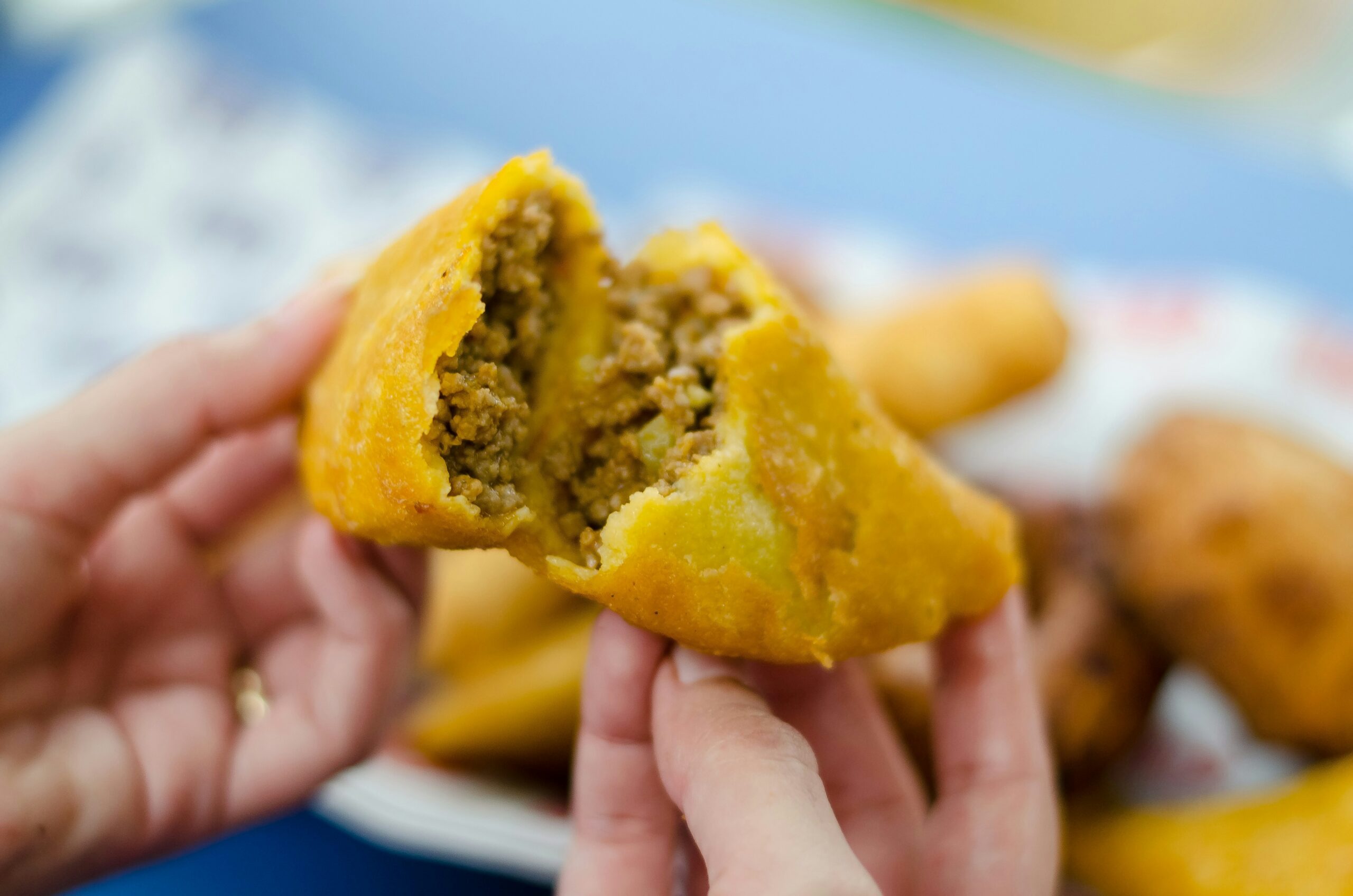
Empanadas and tamales. Filled pastries and corn-wrapped packages are natural chicha territory. The beer’s corn character mirrors the corn dough in tamales, creating a harmonious echo. For empanadas filled with meat, cheese, or vegetables, chicha’s gentle acidity and soft carbonation provide accompaniment without disruption. These are foods meant for casual, convivial drinking—chicha is the perfect choice.
Beyond the Andes — Broader Pairing Discoveries
Once you understand chicha’s flavor profile, you’ll find its pairing territory extends far beyond traditional Andean cuisine.
Grilled and Smoky Proteins
Chicken, pork, and lamb take on new dimensions over an open flame—the Maillard reaction creates depth, char, and slight bitterness. Here’s where chicha’s corn sweetness becomes a revelation. The sugar in the beer bridges the smoky char and the tender meat, creating a smoothness that a dry beer might not achieve. If you’re grilling lamb with cumin and herbs, the earthy mineral quality in chicha connects to both the spice and the meat. The beer’s acidity cuts through rendered fat, refreshing your palate between bites. This is the territory where European beers often dominate, yet chicha offers a completely different, equally compelling approach.
Fresh and Lightly Dressed Salads
Tender greens with herbs, a light vinaigrette, perhaps some radish or cucumber—these delicate salads seem like they’d overpower a beer. Instead, they’re perfect with chicha. The beer’s mild acidity echoes the vinegar in the dressing without competing. The corn sweetness provides gentle counterpoint to bitter greens. The soft carbonation refreshes without brutalizing delicate ingredients. This is drinking beer as a seasoning, not as a main event—exactly what chicha excels at.
Corn and Grain Dishes
Polenta, cornbread, hominy-based dishes, and even rice—these mirror-pairing situations work because chicha speaks the language of corn. When you serve chicha alongside a corn-based dish, there’s an internal recognition. The sweetness aligns. The earthy quality of the beer’s grain base harmonizes with the earthy quality of the food’s grain base. This isn’t about contrast; it’s about consonance. These pairings feel complete in a way that seems almost inevitable.
Soft Cheeses
Fresh chevre, queso fresco, mild feta, creamy fresh mozzarella—these delicate dairy products clash with hop bitterness but sing with chicha. The beer’s lack of aggressive flavor allows the cheese’s subtle tang and creaminess to take center stage. The corn sweetness creates a gentle frame around the dairy. If the cheese carries any herbal notes (from ash, chives, or herbs mixed into the curds), chicha’s subtle earthiness creates invisible harmony. Serve this pairing with bread or fruit, and you’ve created a light course that feels European in sensibility but ancient in its foundations.
What to Avoid
Understanding what doesn’t work teaches you why the pairings that do work are so effective.
Heavily spiced, burn-your-mouth dishes. While chicha handles moderate aji and cumin beautifully, brutally hot foods overwhelm its gentle acidity. The beer’s softness disappears against intense capsaicin heat. If a dish makes you reach for water rather than beer, save it for a different style.
Intensely bitter vegetables and foods. Radicchio, heavily charred greens, or dishes built on bitter flavor—these can seem harsh when paired with chicha’s corn sweetness. The sweetness can feel cloying against aggressive bitterness, creating an unbalanced sensation.
Heavy, creamy sauces with strong spice. While chicha handles cream beautifully and moderate spice beautifully, the combination of intense heat and thick richness creates a situation where the beer gets lost. The creaminess coats your palate, and the spice dominates the sensory field. Chicha’s gentle character can’t break through.
Very acidic dishes built on vinegar or citrus. Paradoxically, while chicha’s acidity is excellent with some acidic foods (like ceviche), dishes where vinegar or citrus is the dominant flavor can feel redundant or jarring against the beer’s own acidity. Two acidity sources can clash rather than harmonize.
Highly carbonated, effervescent foods. Whipped creams, foams, or heavily aerated dishes—these compete with chicha’s low carbonation in an uncomfortable way. The textures work against each other rather than creating harmony.
A Seasonal Perspective
Chicha de jora shines brightest in warm weather and during Andean festival season—moments when the beer’s refreshing qualities and historical significance align.
Summer festivals and harvest celebrations. In the Andes, chicha is the beer of celebration: communal, historical, tied to the land. Summer outdoor gatherings—whether a festival, a family meal, or an evening gathering—are chicha’s natural habitat. The warm weather makes the beer’s lower alcohol content feel right; you’re not looking for a heavy, complex experience, but for something social and refreshing.
Late spring and early fall meals. Grilled vegetables, fresh salads with emerging greens, newly harvested corn dishes—these seasonal moments align with chicha’s pairing strength. In late spring, pair chicha with fresh asparagus, tender lettuces, and new potatoes. In early fall, serve it alongside roasted corn, squash, and early harvest root vegetables.
Cold-weather comfort foods with restraint. While chicha isn’t a winter beer, it pairs surprisingly well with lighter cold-weather dishes: corn chowders (not cream-heavy), baked squash, and roasted vegetables. The key is avoiding heavily spiced, dense winter stews. Think toward the simple, grain-forward comfort foods.
How to Serve Chicha de Jora Beer
Serving chicha de jora properly honors its history and maximizes its pairing potential.
Serving temperature: 55–65°F (13–18°C).
Cool room temperature—not refrigerator cold—allows chicha’s corn character and subtle aromatics to express themselves fully. In traditional Peruvian chicherías, chicha is never served ice-cold; it arrives at roughly the temperature of a cool cellar or a shaded outdoor space. Too cold, and the beer becomes mute; too warm, and any slight off-flavors from wild fermentation become prominent. This temperature range is the sweet spot: refreshing without suppressing what makes chicha worth drinking.
Glassware: Traditional vessel and modern alternatives.
Traditional: Chicha is historically served in a kero (or quero), a ceremonial Andean cup traditionally crafted from clay, ceramic, or wood. The kero has a cylindrical body that narrows slightly at the base and flares outward at the rim—a tumbler shape that concentrates aroma and suits sipping. These vessels predate the Inca empire itself, with roots in the earlier Tiwanaku culture. In modern Peruvian chicherías, chicha is more commonly served in shallow caporal bowls or glass tumblers, ladled directly from large clay storage pots called tinajas. For home use, a hand-thrown ceramic tumbler or clay cup is the most authentic choice, honoring both the historical vessel form and the tactile tradition of drinking from clay.
Modern alternative: A wide-rimmed ceramic mug or tulip-style glass serves well if traditional pottery isn’t available. The tulip glass’s shape captures aroma while the wide rim allows you to appreciate the beer’s appearance. Avoid narrow glasses; they obscure the beer visually and concentrate carbonation in a way that feels wrong for this style.
What to avoid. Tall pint glasses, standard nonic pint glasses, or narrow lager glasses feel architecturally wrong for chicha. These vessels were designed for heavily carbonated, bitter beers with significant head retention. They make chicha look thin and insubstantial. The narrow rim concentrates carbonation and suppresses aroma. If you’re pouring chicha, choose vessels that celebrate its width and openness rather than height.
Pouring technique.
Chicha’s low carbonation means you can pour gently without concern for excessive foam. Allow the beer to rest in the bottle for a few moments before pouring if sediment has settled—traditional chicha often includes a slight sediment from the fermentation process and spice additions. Pour slowly into your chosen glass, leaving the sediment in the bottle or pouring carefully to leave it behind in the final inch of liquid. The goal is a glass that’s clear and bright, with just a thin, delicate head.
Chicha de jora asks you to reconsider what beer can be at a table. It’s not here to dominate, cleanse, or challenge. It’s here to complete—to create invisible bridges between flavors, to honor the foods it’s been paired with for centuries, and to remind you that beer’s greatest gift isn’t bitterness or complexity, but harmony. When you pour a glass of chicha alongside ceviche, grilled lamb, or a simple plate of fresh corn and cheese, you’re not just making a pairing. You’re touching a tradition that reaches back through centuries of Andean history, harvest celebrations, and moments when community mattered more than technique.
Explore more: – What is Chicha de Jora Beer? The Complete Style Guide → – How to Brew Chicha de Jora Beer at Home →
Brew Cartographer explores the history, geography, and craft of rare and forgotten beer styles. Subscribe to our newsletter for new expeditions every week.