What is chicha de jora beer, and why has this ancient Peruvian style survived five centuries of colonial upheaval, industrial brewing, and cultural erasure? Chicha de jora is a low-alcohol, naturally fermented corn beer that bridges pre-Columbian ceremonial tradition and contemporary craft revival. Brewed from sprouted maize kernels in the high valleys of Peru, Ecuador, and southern Colombia, it tastes nothing like the corn adjuncts that industrial breweries hide behind hops and marketing. Instead, it offers earthy sweetness, subtle spice, and the mineral character of high-altitude water—a sensory map of the Andes themselves.
This expedition covers chicha de jora’s geographic roots, its near-extinction and survival, its distinctive sensory character, the science of jora preparation, living commercial examples, and how it relates to other low-alcohol and corn-based styles. Whether you’re seeking rare craft interpretations or understanding why chicha matters to Andean cultural identity, this guide charts the territory.
Explore the full chicha de jora cluster: How to Brew Chicha de Jora at Home and the Chicha de Jora Food Pairing Guide.
The Geography: The Sacred Valleys of the Andes
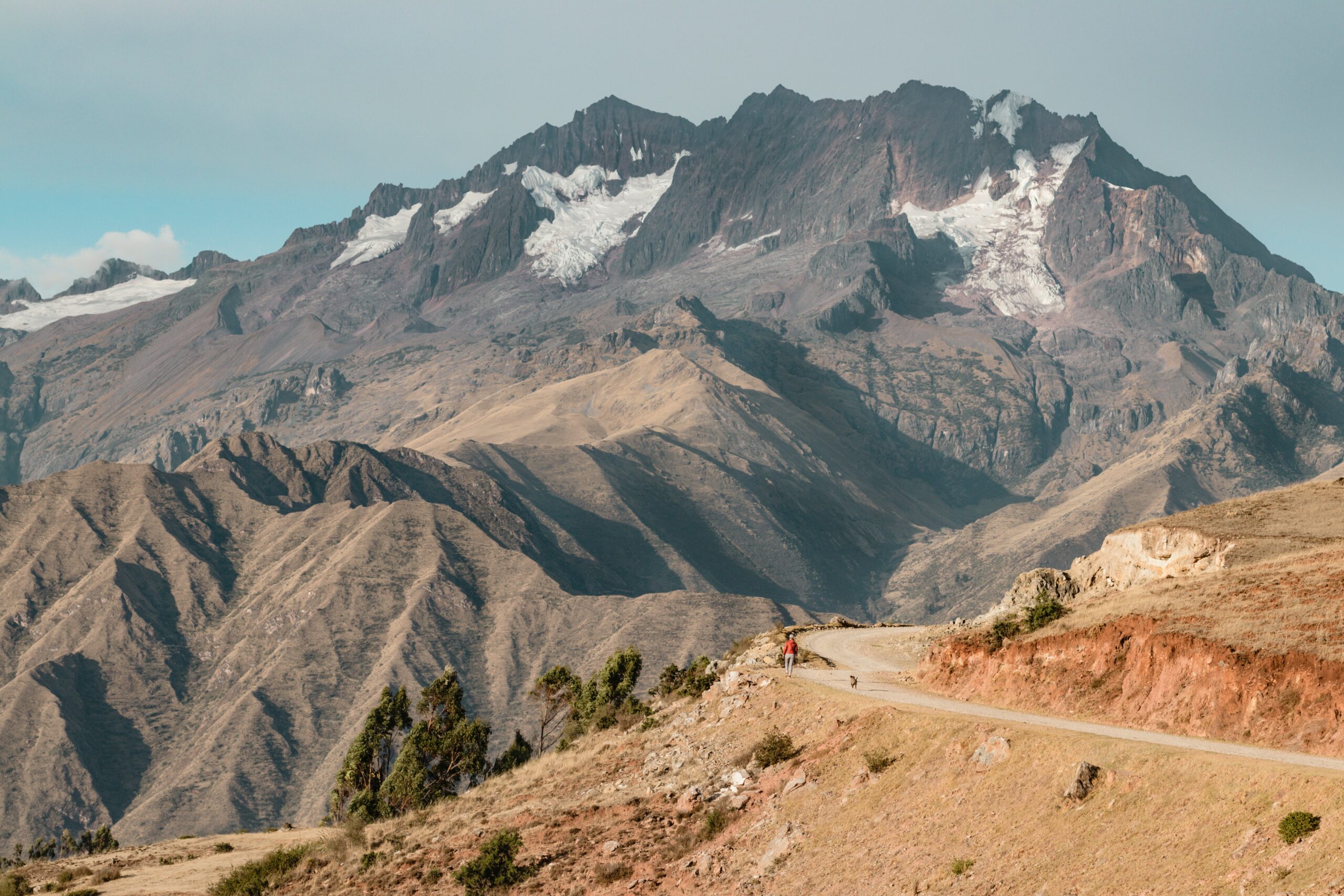
Chicha de jora originates in the high mountain valleys of Peru, primarily the regions around Cusco, the Sacred Valley, and the departments of Apurímac and Ayacucho. These valleys, positioned between 9,000 and 13,000 feet above sea level, possess ideal conditions for growing maize varieties suited to altitude—varieties with lower water requirements and shorter growing seasons than lowland corn. The terraced agricultural systems built by Inca engineers still define the landscape where jora is grown and processed today.
The style’s geography is inseparable from its chemistry. Mountain water, often glacial and mineral-rich, influences the fermentation character. Cold nights at elevation slow fermentation, allowing complex grain flavors to develop without the sharp alcohol burn that faster yeasts produce. This same geography enforced social tradition: chicha brewing was women’s work, a knowledge passed through families across generations. The style remained tied to place—not exported, bottled, or commodified—making it invisible to global beer culture until very recently.
Ecuador and southern Colombia have their own chicha traditions, often less ceremonial and more domestic than Peru’s, but the aesthetic and technique remain recognizably Andean. Colonial Spanish records from the 16th and 17th centuries document chicha as the dominant beverage across the region, consumed at festivals, labor exchanges, and religious ceremonies. Geography made chicha inevitable: maize thrived where barley could not, and fermentation required no imported technology or ingredients.
The History: From Ceremonial Drink to Peasant Staple to Cultural Symbol
Chicha’s origins predate written Spanish records by centuries. Archaeologists and ethnobotanists point to pre-Columbian Andean cultures—particularly the Inca empire (1438–1533)—as originators of maize fermentation. The Inca called chicha aqha, and it held ceremonial weight equal to blood. Chicha was poured as libation to Inti (the sun god), consumed at royal coronations, rationed to labor crews undertaking state projects, and shared at ayllu gatherings (community work assemblies). The beverage encoded social obligation and cosmic reciprocity.
Spanish conquest fractured this sacred economy but did not destroy the practice. Colonial authorities, initially scandalized by chicha’s role in “pagan” ceremonies, eventually tolerated and even taxed it. By the 17th century, colonial records show chicha being brewed and sold in urban centers across Peru. The Spanish brought barley and introduced European brewing technique, but maize remained the dominant grain among indigenous populations—partly because barley required imported seed and expertise, and partly because chicha remained culturally resonant where European beer could not penetrate.
The 19th and 20th centuries nearly erased chicha. Industrialization, improved transportation infrastructure, and aggressive marketing by European and North American breweries displaced traditional chicha production in cities. By the 1960s and 1970s, chicha was regarded as backward, rural, and associated with poverty. Urban Peruvians drank imported lagers. Villages and families continued brewing in private, but the knowledge seemed destined to become a museum artifact rather than a living practice.
The revival began in the 1980s and 1990s, driven by indigenous rights movements, anthropologists documenting food traditions, and Peruvian craft brewers seeking authentic national styles. Breweries in Lima and Cusco began experimenting with chicha recipes, crossing traditional methods with modern sanitation and consistency. By the 2010s, chicha de jora appeared on craft beer menus, in bottles, and in academic papers. Today, both traditional and modern chicha exist in parallel: family brewers in rural villages continue centuries-old practices, while Lima-based craft operations have commercialized the style without abandoning its cultural foundation. This duality—living tradition and revived craft—is chicha’s defining historical character.
What is Chicha de Jora Beer? Taste, Aroma, and Appearance
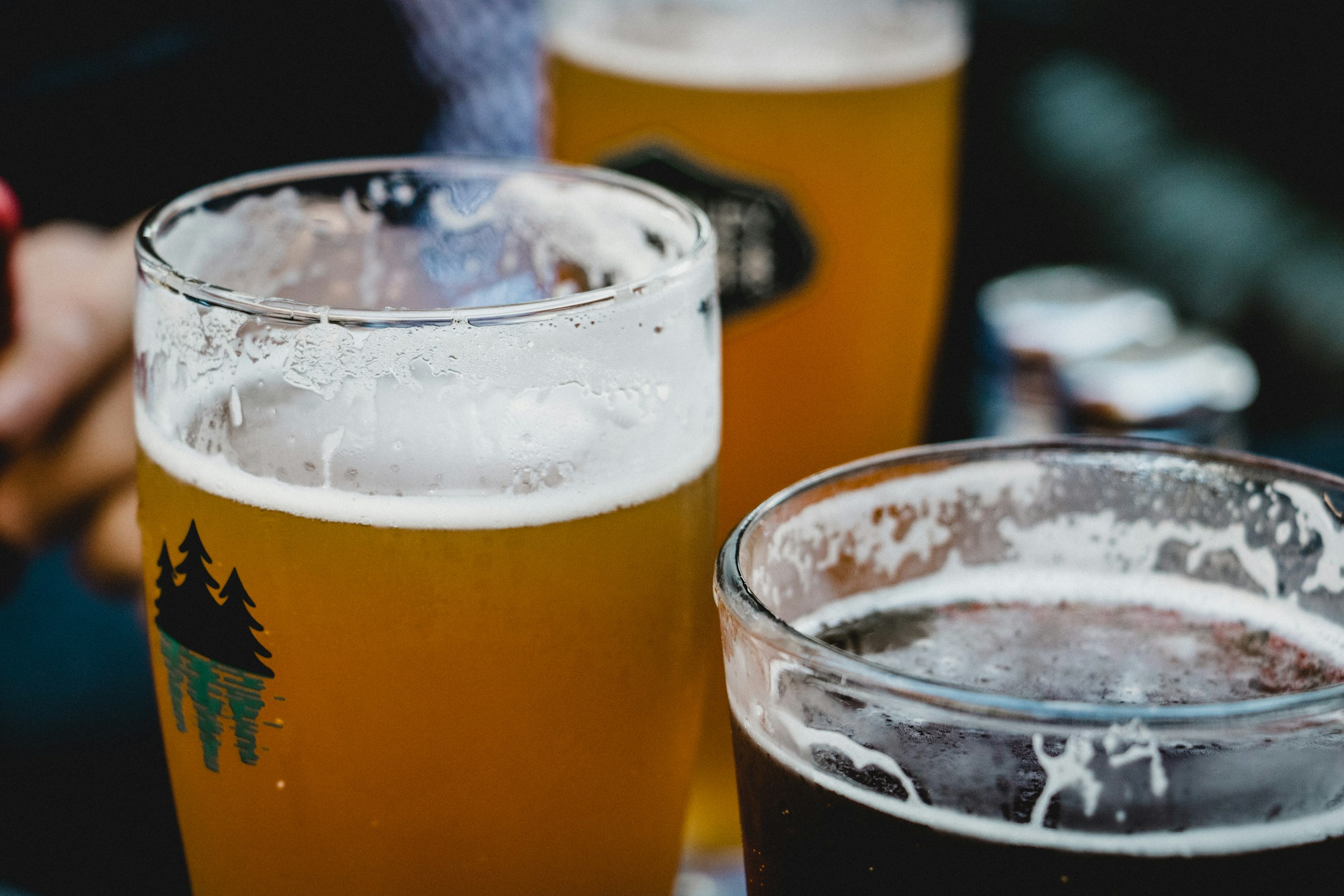
Appearance: Chicha de jora ranges from pale golden to amber, often with a slightly hazy or cloudy character. Traditional versions, unfiltered and sometimes unpasteurized, may appear murky or show sediment. The color depends on the corn variety used—white, yellow, or red maize all appear in the style. A typical pour displays a modest, cream-colored head that dissipates quickly. The body is light to medium, neither thick nor thin.
Aroma: The nose reveals cornmeal sweetness—a warm, grainy quality reminiscent of fresh polenta or toasted corn. Underlying this is a subtle earthiness, occasionally minty or herbal, from traditional additions of quinoa leaves or other regional botanicals. There’s rarely any aggressive hop character. Some versions show faint fruity esters or a whisper of spice (cinnamon or clove are occasional additions). The overall impression is understated and inviting rather than aromatic.
Flavor: The palate is deceptively complex. Initial sweetness, suggestive of corn syrup or honey, gives way to a drying finish with mineral and slightly bitter notes. Unlike grain-forward ales, the sweetness in chicha doesn’t register as cloying—it feels natural and balanced. Some versions show subtle fruit (dried apricot, light citrus), while others emphasize earthiness or a peppery warmth. The finish is clean and refreshing. Very low carbonation or natural carbonation (from bottle conditioning) contributes to a soft, almost still quality on the palate.
Mouthfeel: Light to medium body with minimal carbonation. The texture is silky and approachable, never aggressive or astringent. Many traditional chicha preparations involve a milky or creamy sensation from suspended solids or the remnants of jora itself. Alcohol is rarely noticeable, even when present at 4–6% ABV, because fermentation is gentle and carbonation minimal.
ABV: Traditional chicha de jora ranges from 2.5% to 6% alcohol by volume, depending on fermentation time and yeast vigor. Modern craft interpretations sometimes push higher (6–8%), but the style’s historical character emerges at lower alcohol levels.
Note: Chicha de jora does not currently have a designated BJCP category in the 2021 guidelines. It is sometimes classified under Specialty Beer (Category 34), though the BJCP’s framework better serves hop-forward and grain-heavy traditions. This is a gap in the guidelines that reflects chicha’s recent visibility in English-language beer culture.
The Ingredients That Make Chicha de Jora Unique
Jora—sprouted, dried maize kernels—is the soul of this style. To make jora, fresh corn is soaked, allowed to sprout (germination activates enzymes that convert starch into fermentable sugars), and then dried in the sun. This process concentrates enzymatic power and creates flavor precursors absent in raw grain. The sprouted kernel loses nothing to roasting or kilning; it remains pale and delicate. Jora can be ground into flour or steeped whole, depending on brewer preference and available equipment.
Water from the Andes—mineral-forward, slightly alkaline, often drawn from glacial sources—shapes the style’s mineral undertones. Brewers in other regions attempting chicha often struggle because soft or chemically treated water misses the terroir. Traditional recipes sometimes call for additions of quinoa leaves (for slight astringency and botanical complexity), cinnamon, or clove. These are not dominant flavors but whispers that distinguish family recipes from one another. Yeast is typically wild, sourced from the environment or from retained sediment across generations, lending unpredictability and subtle variation batch to batch. Modern craft brewers sometimes use selected strains (Saccharomyces cerevisiae or mixed cultures) to ensure consistency while preserving the style’s character.
Hops are nearly absent from traditional chicha. This places it outside European brewing taxonomy entirely. The style’s low alcohol and lack of preserved acid mean it relies on botanical depth, fermentation character, and time for longevity rather than hop bitterness as a preservative.
Where to Find Chicha de Jora
Finding chicha de jora outside Peru and neighboring countries requires intentional sourcing and patience, but traditional and craft examples continue to be produced.
In Peru: The most authentic experience comes from chicherías—informal drinking establishments where chicha is brewed and served fresh. These are traditionally identified by a red flag or plastic bottle hanging outside the door. Chicherías remain common in rural areas and working-class neighborhoods across Cusco, the highlands, and parts of Lima. In urban centers, craft breweries have begun experimenting with chicha, blending traditional techniques with modern production. The neighborhoods of Barranco and Miraflores in Lima host smaller operations that occasionally collaborate with indigenous communities to source ingredients and preserve traditional knowledge.
Outside Peru: Diaspora communities in North America and Europe occasionally feature chicha at Peruvian food festivals, indigenous trade fairs, and cultural events in cities with large Andean populations. Specialty beer shops and natural food cooperatives in these markets may stock Peruvian imports sporadically. Dos Luces Brewery in Denver was a notable example of chicha production in the continental United States, operated by brewers with deep ties to Andean fermentation traditions—though the brewery permanently closed in 2025, reflecting the ongoing challenge of commercializing traditional styles in unfamiliar markets.
Seeking out chicha rewards patience and connection to Peruvian communities rather than mainstream retail channels.
How Does Chicha de Jora Compare to Similar Styles?
Chicha vs. Light Lagers: Both are low in alcohol and refreshing, but chicha’s corn character is natural and central, whereas light lagers use corn as an adjunct for lightness. Chicha’s fermentation is slower and cooler, yielding mineral complexity; light lagers prioritize clean yeast character and neutrality. Chicha has minimal carbonation; light lagers are aggressively carbonated.
Chicha vs. Corn-Forward Ales: Some craft brewers have experimented with corn-based ales in North America, using roasted corn flour or flaked maize for texture or sweetness. These often lean toward adjunct candy or sweetness. Chicha de jora’s use of sprouted, enzymatically active jora creates a different profile—less sticky, more mineral, with enzymatic complexity that roasted corn cannot provide.
Chicha vs. Sahti or Other Indigenous Fermented Grains: Sahti (Finland’s traditional rye beer), kvass (Russian fermented grain beverage), and chicha all represent pre-commercial, geographically specific grain fermentation traditions. All are low in alcohol, use regional botanicals, and rely on wild or cultured fermentation. The key difference is grain: chicha’s use of jora and maize creates a unique flavor that neither rye nor wheat traditions can replicate. Chicha’s ceremonial and social weight in Andean culture also distinguishes it—it carries cosmic and political meaning in ways that European grain drinks, however traditional, do not.
Chicha vs. Pulque (Mexican Fermented Agave): Both predate European conquest and carry deep cultural significance in their regions. Both are low-alcohol, traditional, and nearly displaced by colonial beverages. Pulque is a milk-colored, viscous beverage fermented from agave sap; chicha is lighter and grain-based. The comparison illustrates how indigenous fermented beverages across the Americas survived colonialism and industrialization through cultural resilience rather than commercial advantage.
Chicha de jora represents something increasingly rare in global beer culture: a beverage that has survived centuries of intentional erasure by remaining embedded in community practice rather than seeking commercial validation. It tastes like the mountains where it originates and carries social meaning that industrial beer abandoned long ago. The current revival—modest, respectful, and still rooted in villages rather than marketing departments—suggests that beer traditions need not choose between authenticity and survival. They can do both.
Ready to go deeper? – How to Brew Chicha de Jora Beer at Home → – Chicha de Jora Beer Food Pairing Guide →
Brew Cartographer explores the history, geography, and craft of rare and forgotten beer styles. Subscribe to our newsletter for new expeditions every week.