What is Kentucky Common beer, exactly? It’s a dark, slightly sweet lager that captures a specific moment in American brewing history—the industrial-era beers of Louisville, Kentucky, before Prohibition erased an entire brewing tradition. This style tastes like a conversation between German lager technique and American ingredient pragmatism: it uses corn adjuncts alongside dark malts, producing something that’s neither quite a cream ale nor a traditional dark lager, but something distinctly its own. Today, Kentucky Common exists in a precarious state between historical amnesia and scholarly revival, making it one of the most fascinating ghost styles in American beer.
Affiliate disclosure: This article contains affiliate links. If you purchase through these links, Brew Cartographer earns a small commission at no extra cost to you.
This expedition maps the geography and history of Kentucky Common, examines what makes it taste the way it does, and identifies where to find commercial examples worth seeking out. Whether you’re chasing pre-Prohibition authenticity or simply exploring the margins of American beer history, Kentucky Common offers a direct sensory connection to a Louisville that no longer exists.
The Geography: Louisville, Kentucky
Louisville’s position on the Ohio River made it a natural brewing center in the nineteenth century. The city had access to barley from the Midwest, coal for fuel, and a cosmopolitan population of German, Czech, and English immigrants who understood lager brewing. By the 1870s and 1880s, Louisville had become one of America’s premier brewing cities, rivaling St. Louis and Cincinnati in output and innovation. The local breweries—including the legendary Distillery Company and others—developed a house style that reflected both German precision and American practicality.
Kentucky Common was the everyman’s beer of Louisville, the style that local brewers refined specifically for the Kentucky market. Unlike the lighter Pre-Prohibition Lagers that gained wider distribution, Kentucky Common remained largely confined to the Louisville region and nearby areas in Kentucky and Indiana. It was the beer you drank in Louisville saloons, not the beer you shipped across state lines. This local rootedness shaped everything about it: brewers knew their water, their drinkers, their climate. The resulting beer was darker and sweeter than equivalent styles brewing elsewhere, adapted to regional tastes and available ingredients.
The geographic isolation that defined Kentucky Common—its strength as a regional marker—became its vulnerability. When Prohibition arrived in 1920, it didn’t just stop beer production; it severed entire regional brewing traditions. Louisville’s breweries either closed forever or survived as malting plants and soft drink producers. By the time Prohibition ended in 1933, the American brewing landscape had shifted irrevocably. Consolidation was underway. National brands with distribution networks and advertising budgets dominated the market. Kentucky Common, lacking the national recognition of a cream ale or the historical status of a Pennsylvania pre-Prohibition lager, simply vanished.
The History: Louisville’s Pre-Prohibition Dark Lager
The story of Kentucky Common is inseparable from Louisville’s rise as an industrial brewing center. German immigrants began establishing breweries in Louisville in the 1830s and 1840s, bringing with them lager yeast and lager technique at a time when most American brewers were still producing ale. By the 1870s, Louisville was home to numerous commercial breweries. By 1906, twenty-five breweries had service connections with Louisville Water, securing the city’s reputation for consistent, quality lager production. Kentucky Common emerged from this competitive environment—it was the beer that Louisville breweries used to defend their local market against encroaching national brands.
The exact origins of the style are difficult to pinpoint with precision. Unlike some beer styles that trace to a single innovation or brewery, Kentucky Common developed gradually as Louisville brewers adapted their lagers to local preferences and available materials. The use of corn adjuncts—which would later become standard in mainstream American lagers—appears to have been particularly pronounced in Kentucky Common, possibly because corn was abundant and malted barley was expensive. But where some brewers used corn as a cheap extender, Louisville brewers seemed to understand it as a flavor ingredient, something that contributed to the beer’s distinctive soft sweetness.
The pre-Prohibition years saw Kentucky Common enjoy genuine regional popularity. Breweries in Louisville and nearby areas produced it regularly, and the beer had enough identity that local drinkers could distinguish it from the lighter lagers and cream ales brewed in other regions. It occupied a middle ground in the pre-Prohibition American beer landscape: darker and more flavorful than a typical lager of the period, but without the harshness or heaviness of a true dark lager. This balance made it accessible to everyday drinkers while offering enough character to satisfy those who wanted something more than a simple grain beverage.
Prohibition arrived in January 1920 and dealt Kentucky Common a blow from which it never fully recovered. Many Louisville breweries shuttered entirely. Others survived by producing malt syrup, near-beer, and soft drinks, but the accumulated knowledge of brewing Kentucky Common—the refinements developed over decades, the yeast strains, the specific water treatments—either disappeared or went dormant. When Prohibition ended in 1933, the American brewing industry had been fundamentally restructured. Consolidation was underway. National brands like Anheuser-Busch, Miller, and Pabst controlled an expanding share of the market. Regional breweries that survived Prohibition found themselves competing against opponents with vastly superior marketing and distribution resources. Kentucky Common, lacking the national recognition of a cream ale or the historical status of a Pennsylvania pre-Prohibition lager, simply vanished.
For decades, Kentucky Common existed only in the memories of older Louisville drinkers and in scattered references in brewing literature. The style was effectively forgotten outside Kentucky, and even within the state, knowledge of it faded as craft brewing’s national revival focused on British ales and West Coast IPAs. The real recovery began in the 2000s and 2010s, when craft brewers and beer historians started researching pre-Prohibition American styles in earnest. Kentucky Common, once a ghost, began to re-emerge as breweries recognized it as a legitimate historical style worth reviving and reinterpreting for modern audiences.
What is Kentucky Common Beer? Taste, Aroma, and Appearance
Appearance: Kentucky Common pours a dark amber to brown color, rarely reaching the opaqueness of a true brown ale or stout. The beer typically presents with a modest head that settles quickly, and the body is clear enough that light passes through it at the edges. Expect a color roughly equivalent to brewed iced tea or weak cola, not the black of a porter.
Aroma: The nose is malty and slightly sweet, with notes of bread crust, caramel, and grain. There’s usually a clean lager character—no fruity esters—but often a subtle corn-derived sweetness in the background. The aroma is restrained rather than assertive; this is not a beer that shouts at you from the glass. American hops, if present, are subtle, contributing a light herbal or slightly spicy note without any of the citrus or piney character of modern hop-forward beers.
Flavor: This is where Kentucky Common reveals its character. The flavor is distinctly sweet, but not cloying—think more like the sweetness of caramel or honey than like added sugar. The maltiness is prominent, often with notes of biscuit, bread, and light caramel. The corn adjuncts contribute a soft, slightly grainy sweetness that extends the flavor without adding harshness. Bitterness is minimal, usually in the range of 15–30 IBUs, enough to balance the sweetness but never to dominate. The overall impression is of a beer that prioritizes drinkability and comfort over complexity.
Mouthfeel: Kentucky Common is typically dry to medium-dry, with a clean finish. The body ranges from light to medium, and carbonation is moderate—this is not an intensely fizzy beer. The texture is often described as smooth, and the beer finishes without any astringency or lingering bitterness. Many drinkers note that it’s exceptionally approachable and easy to drink multiple pours of without fatigue.
ABV: Alcohol by volume typically ranges from 4.0–5.5%, squarely in the range of an everyday lager. This was intentional—Kentucky Common was designed to be a beer you could drink in quantity without becoming intoxicated. Higher gravity examples exist, but they’re exceptions.
According to the BJCP 2021 guidelines, Kentucky Common is classified under Category 27: Historical Beer—Kentucky Common, a category specifically created to recognize styles that had largely disappeared from commercial production but retained historical and cultural significance.
The Ingredients That Make Kentucky Common Unique
What distinguishes Kentucky Common at the ingredient level is its distinctive use of corn adjuncts combined with dark malts and a restrained hop character. The corn—either as flaked maize or corn syrup—is not merely a cost-cutting measure (though cost was certainly a factor in pre-Prohibition times). Rather, the corn seems to be integral to the beer’s flavor profile, contributing a soft sweetness and smooth mouthfeel that balances the darker malts. This combination of dark malts and corn adjuncts is unusual; most dark beers either skip the adjuncts entirely or use them sparingly.
The base malt is typically a pale lager malt, with additions of crystal malt and darker specialty malts—often black malt or roasted barley—that give the beer its color and subtle roasted notes without overwhelming bitterness. The proportion varies depending on the brewer’s interpretation, but the goal is a beer that’s dark enough to have character but not so dark that it becomes heavy or astringent.
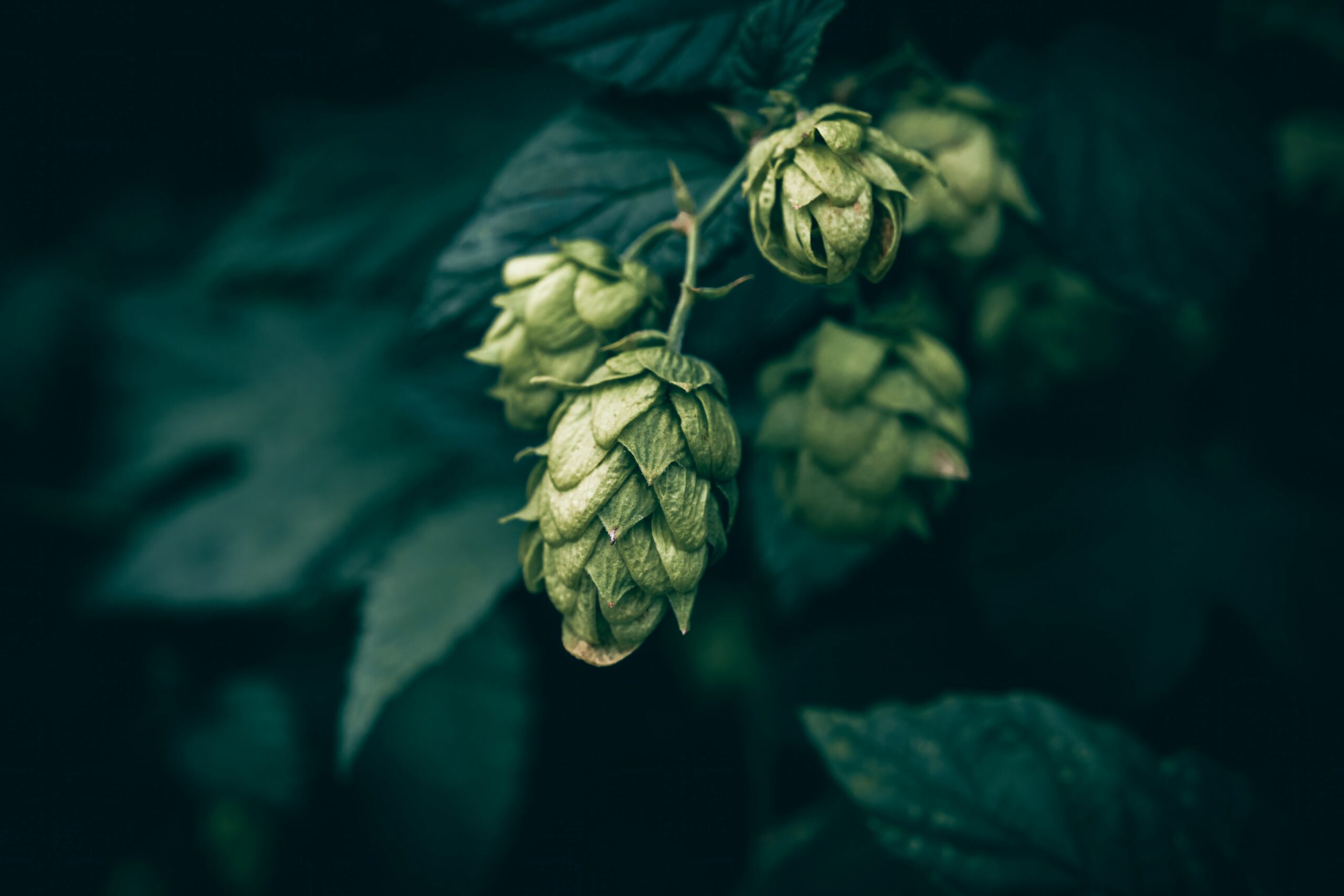
Hops in Kentucky Common are modest and utilitarian. American-grown hops like Cluster or Cascade might be used, but sparingly. The hop character is meant to provide just enough bitterness to balance the sweetness of the malt and corn, not to introduce flavor or aroma that would distract from the beer’s fundamental character. This restraint with hops reflects the historical availability of ingredients in Kentucky and the regional preference for sweet, approachable beers.
Commercial Examples Worth Seeking Out
Kentucky Common has moved from near-extinction to modest revival over the past fifteen years. Finding examples requires some hunting, but they exist and are worth the effort.
Apocalypse Brew Works — Oertel’s 1912 Kentucky Common (Kentucky): A Louisville revivalist that takes the style seriously, producing a well-regarded example with a malt-forward, approachable character. Their Kentucky Common consistently earns strong marks from local enthusiasts and style-seekers alike.
Blue Stallion Brewing — Common Ground Kentucky Common (Kentucky): Lexington’s contribution to the style revival, Common Ground emphasizes the corn adjunct character with clarity, producing a beer that finishes clean and drinks easy.
Against the Grain Brewery — Louisville Lager (Kentucky): While not strictly marketed as a Kentucky Common, this beer shares many stylistic DNA markers—dark, slightly sweet, with prominent corn-derived flavor. Worth tracking down as a reference point for regional interpretation.
Falls City Brewing — Kentucky Common (Kentucky): Falls City is one of Louisville’s most historically significant brewery names, revived in 2010 after decades of dormancy. Their Kentucky Common connects directly to the pre-Prohibition tradition, offering a reliable and widely available example for explorers new to the style.
How Does Kentucky Common Compare to Similar Styles?
Pre-Prohibition Lager is the closest cousin to Kentucky Common, but Pre-Prohibition Lagers tend to be lighter in color (pale to golden) and lack the corn adjunct sweetness that defines Kentucky Common. Both are lagers with restrained hop character and an emphasis on drinkability, but a Pre-Prohibition Lager is typically closer to what brewers in other parts of the country produced, while Kentucky Common is distinctly regional.
Cream Ale shares Kentucky Common’s approachability and modest alcohol content, but Cream Ale is typically lighter in color and is often brewed as a hybrid (part lager, part ale, or a lager brewed with ale-like fermentation temperatures). It also usually lacks the significant malt complexity of Kentucky Common. A Cream Ale is gentler and more delicate; a Kentucky Common is gentler but with more malt presence.
Dark Lager encompasses a broad category—from Czech-style dark lagers to German Dunkel. Kentucky Common is darker and sweeter than most traditional European dark lagers, which tend to have more assertive hop character and a drier finish. A European dark lager feels more structured; Kentucky Common feels more indulgent.
American Amber Lager of the modern craft era often occupies a similar flavor space to Kentucky Common—malty, slightly sweet, balanced—but contemporary amber lagers are usually designed with more hop character and a crisper finish. They’re more consciously “crafted.” Kentucky Common feels older, softer, less designed.
Kentucky Common is a reminder that American beer history is far more complex and regionally specific than popular memory allows. For most of the twentieth century, this style existed only in the memories of people who had tasted it before Prohibition. That it’s available again at all, in recognizable form, is a testament to historical curiosity and the craft brewing movement’s willingness to resurrect lost traditions. The beer itself—dark, sweet, approachable, honest—is an invitation to taste Louisville as it once was.
Ready to go deeper? – How to Brew Kentucky Common Beer at Home → – Kentucky Common Beer Food Pairing Guide →
Brew Cartographer explores the history, geography, and craft of rare and forgotten beer styles. Subscribe to our newsletter for new expeditions every week.
Join The Dispatches — new expeditions, brew guides, and food pairings delivered when something worth reading goes live. No noise, no frequency targets. Sign up here →
Brew Cartographer explores the history, geography, and craft of rare and forgotten beer styles.