What is Cascadian Dark Ale beer? It is one of the most politically charged questions in American craft brewing — a style born in the rain-soaked forests of the Pacific Northwest that carries not just a distinctive flavor profile but an identity dispute that split the brewing community for years.
Affiliate disclosure: This article contains affiliate links. If you purchase through these links, Brew Cartographer earns a small commission at no extra cost to you.
This expedition maps the origins, character, and contested naming of the style that some call Black IPA, others call India Black Ale, and a vocal contingent in the Pacific Northwest insist must be called Cascadian Dark Ale. Along the way, we’ll chart its flavor territory, explore the breweries that shaped it, and explain why a beer style sparked a regional culture war. For those ready to brew their own, the companion How to Brew Cascadian Dark Ale at Home digs into the process. And if you’re planning a meal around a pint, the Cascadian Dark Ale Food Pairing Guide has you covered.
The Geography: Cascadia and the Pacific Northwest
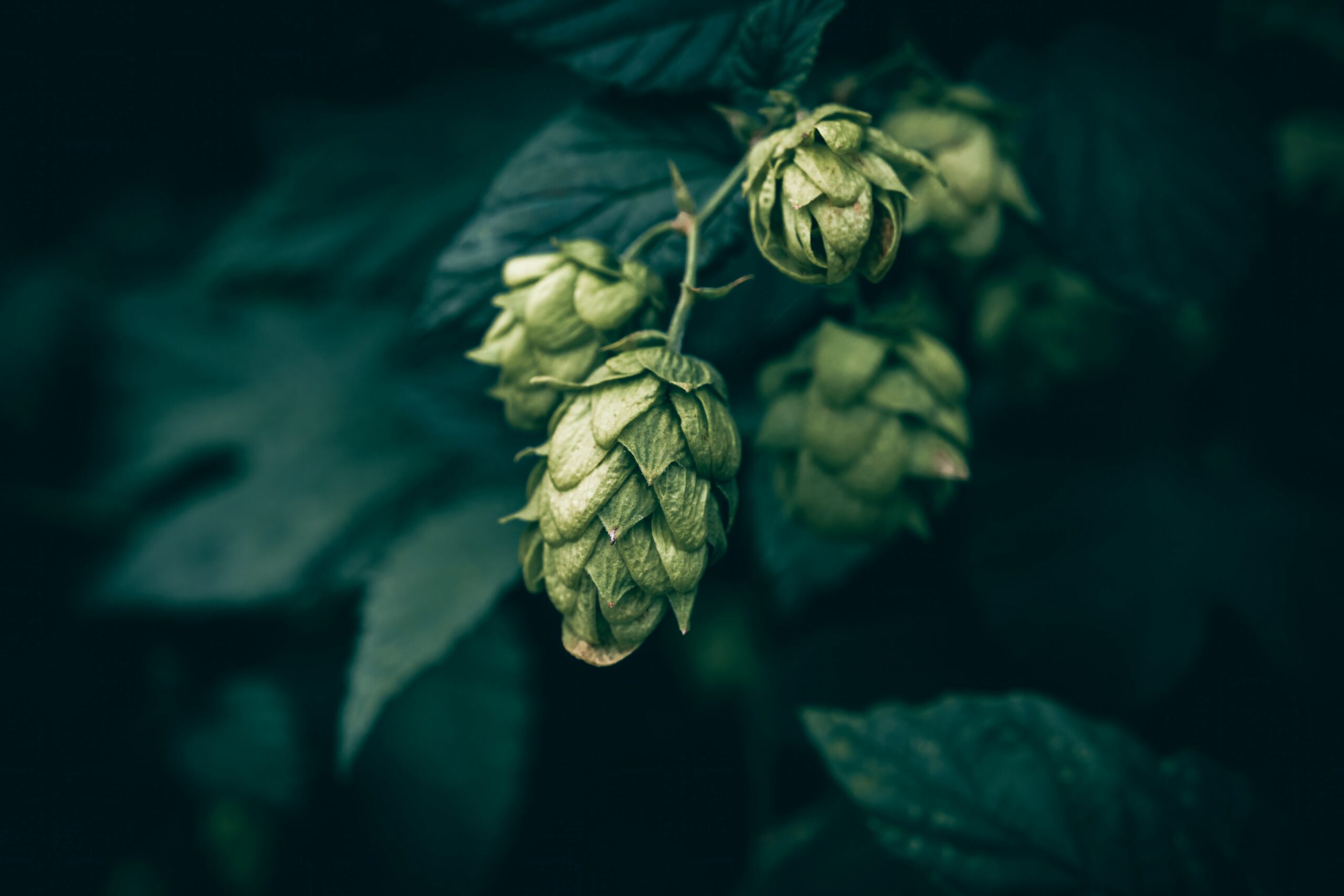
The Pacific Northwest of North America occupies a distinctive ecological zone defined by the Cascade Mountain Range, which runs from northern California through Oregon and Washington and into British Columbia. This region — sometimes called Cascadia by advocates of a bioregional identity — produces some of the world’s most prized hop varieties: Cascade, Centennial, Simcoe, Columbus, and a parade of newer cultivars that have reshaped global brewing.
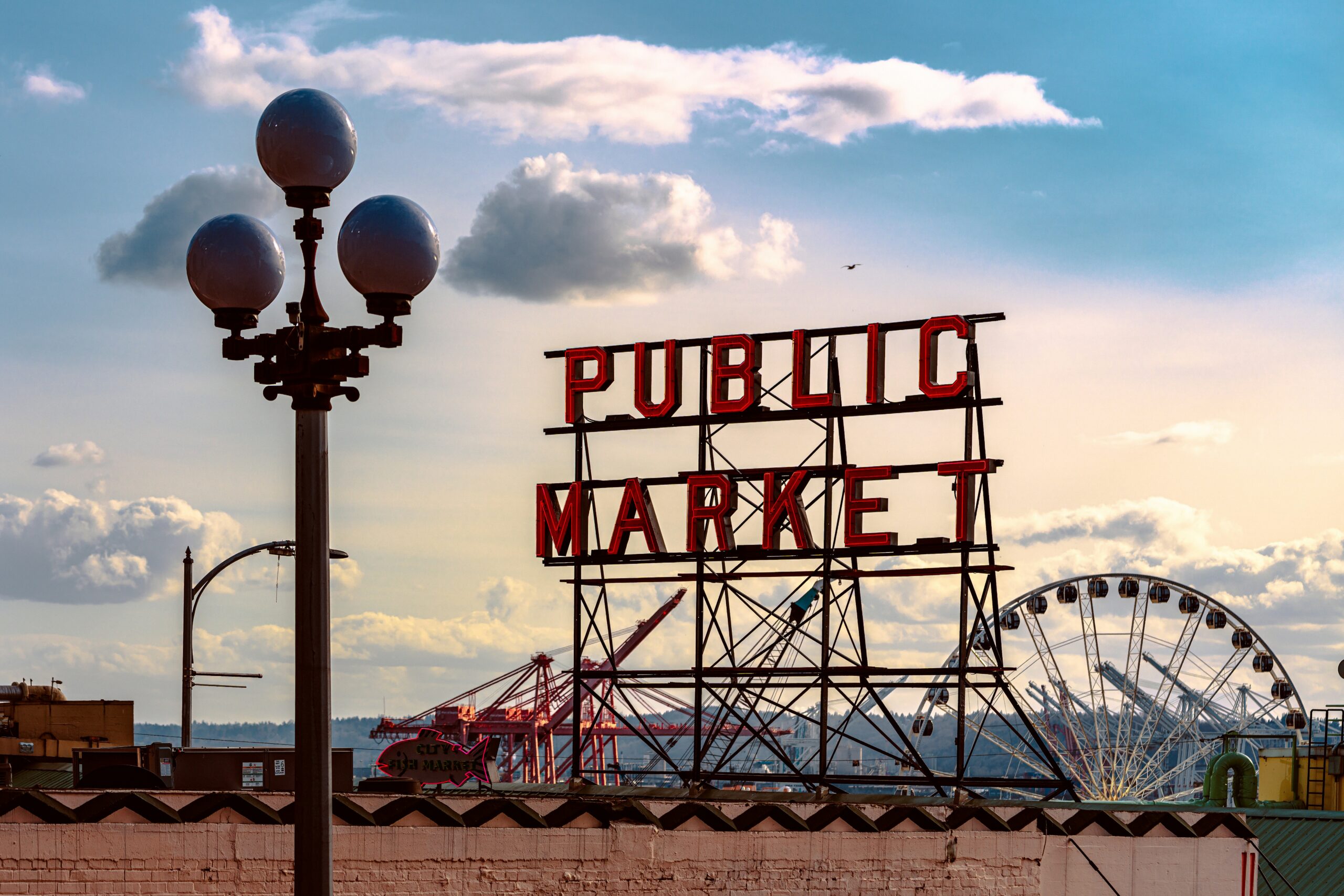
The same volcanic soils and damp maritime climate that grow great hops also cultivated a fiercely independent brewing culture. By the early 2000s, Portland, Oregon, regularly claimed the title of most breweries per capita of any major American city, and Seattle was close behind. Brewers in these cities shared ingredients, ideas, and a sense that what they were making was rooted in a specific place — not just a generic American craft product.
It was out of this context that Cascadian Dark Ale emerged. The geography isn’t incidental to the style; it is the style. The beer tastes like the region: dark and brooding from roasted malts, bright and resinous from the hops grown in its valleys, and assertive in a way that reflects the character of the people who made it.
The History: A Style Born in Argument
The exact origins of dark hoppy ales in the Pacific Northwest are genuinely contested, and that contestation is itself part of the story. Multiple brewers have claimed credit for developing the style in the late 1990s and early 2000s, and the historical record is murky enough that definitive attribution is probably impossible.
What is reasonably clear is that the style emerged organically from the experimental culture of Pacific Northwest brewing. Brewers who had mastered hop-forward pale ales and IPAs began asking what would happen if you added roasted malts to the equation — not enough to make a stout, but enough to turn the beer black while preserving the hop-forward character that defined the region’s brewing identity. The result was a beer that appeared visually imposing but tasted bright, resinous, and bitter rather than heavy and roasty.
The naming dispute came to a head as the style proliferated through the mid-2000s. Beer writers and national publications began calling dark hoppy ales “Black IPA” — a term that brewers in the Pacific Northwest largely rejected as oxymoronic. IPA, they argued, referred to a specific British tradition; their dark hoppy ales were something else, something new, something rooted in Cascadia. The name Cascadian Dark Ale, or CDA, became the preferred term for many in the region.
The Brewers Association style guidelines listed the category as “American-Style Black Ale,” which satisfied nobody entirely. The BJCP’s 2021 guidelines categorize it as 22A: American Black Ale, with an editorial note acknowledging the Cascadian Dark Ale designation as a widely used regional alternative. The naming war has cooled in recent years, largely because the style’s popularity — which peaked around 2010–2012 — has moderated. Black IPA remains the more common term in national discourse, while CDA persists on Pacific Northwest tap lists with the loyalty of a regional flag.
What is Cascadian Dark Ale Beer? Taste, Aroma, and Appearance
Appearance: Deep brown to black, with highlights that can appear ruby or mahogany when held to light. The head is typically tan to light brown, moderate to large, and persistent. Despite the color, the body is often lighter in appearance than a stout or porter — the roasted malts are present but not dominating.
Aroma: The hop character leads, often intensely so — pine, citrus, tropical fruit, or earthy notes depending on the hop varieties used, which almost always skew toward American cultivars. Beneath the hops, there is a whiff of dark malt: dry cocoa, dark roast coffee, or charred grain. The roast is there to deepen the aroma, not overwhelm it. Some examples add a slightly piney or resinous quality that evokes the Douglas firs of the Pacific Northwest directly.
Flavor: The paradox of the style is that it looks like a stout and drinks like an IPA. The bitterness is high — typically 50–90 IBU — and the hop flavor is prominent throughout. Citrus, pine, and resinous notes from American hops sit on top of a roasty malt base. The roast character adds dry coffee and dark chocolate notes but stops well short of the sweetness of a porter. There is often a dry, slightly astringent finish driven by both the roasted malts and the high hop bitterness. The malt body is medium rather than full, which keeps the beer from feeling heavy.
Mouthfeel: Medium body with moderate to high carbonation. The beer drinks more lightly than its appearance suggests. Some examples are fairly lean, emphasizing drinkability alongside intensity.
ABV: Typically 6.0–9.5%, though most commercial examples cluster in the 6.5–7.5% range. The style sits firmly in IPA territory in terms of alcohol rather than stout territory.
The BJCP classifies this style as 22A: American Black Ale in the 2021 guidelines.
The Ingredients That Make Cascadian Dark Ale Unique
What gives Cascadian Dark Ale its characteristic split personality — dark in color, bright in hop character — is a careful balancing act in the grain bill. Brewers use dehusked or debittered dark malts, most commonly Carafa Special (a Weyermann product) or similar roasted malts from which the husks have been removed. Husks on roasted malts contribute harsh, acrid astringency; removing them keeps the roast character smooth enough that the hops can dominate.
The result is a beer that achieves a deep black color from perhaps 3–7% dark malt in the grain bill, without the heavy body or pronounced roasty bitterness that would compete with the hop aroma and flavor. The base malt is typically American two-row pale malt, sometimes with small additions of crystal or caramel malts for a hint of residual sweetness to balance the bitterness.
Hops are the other defining element, and they are almost always American varieties — Cascade, Centennial, Columbus, Simcoe, Citra, or similar. The Pacific Northwest connection runs through the hop bill: these are Willamette Valley and Yakima Valley hops, grown in the same bioregion that gave the style its name. Dry hopping is standard practice, adding aroma without additional bitterness.
Commercial Examples Worth Seeking Out
- Deschutes Brewery — Hop in the Dark (Bend, Oregon): One of the most widely distributed CDAs, Deschutes’ version helped bring the style to national attention when released as a winter seasonal in 2010. It’s piney, resinous, dry, and assertive — a reliable benchmark for the style.
- 21st Amendment Brewery — Back in Black (San Francisco, California): Perhaps the most nationally available example of the Black IPA category, Back in Black offers an accessible entry point with citrus-forward hop character and restrained roast.
- Stone Brewing — Sublimely Self-Righteous Black IPA (Escondido, California): Stone’s interpretation pushes the dry-hop intensity high and the roast character deep, making for a more luxurious, full-bodied take on the style that helped establish Black IPA as a recognized category.
- Full Sail Brewing — Black Gold Black IPA (Hood River, Oregon): A Pacific Northwest veteran’s take on the home-region style, brewed in the Columbia River Gorge with a pronounced hop character and clean roast backbone.
- Widmer Brothers Brewing — Pitch Black IPA (Portland, Oregon): A Portland institution’s contribution to the style, leaning into the resinous, piney Pacific Northwest hop profile. Worth seeking out as a regional touchstone.
- Breakside Brewery — Salted Caramel Stout — Note: For a verifiably current Pacific Northwest CDA, Breakside Brewery (Portland, Oregon) has brewed dark IPA variants worth exploring at the taproom.
How Does Cascadian Dark Ale Compare to Similar Styles?
The style most commonly confused with CDA is, predictably, the American IPA — the visual shock of receiving a black beer when you ordered something that tastes like an IPA is the whole point of the style’s identity. Beyond that surface confusion, a few comparisons clarify the CDA’s place in the map.
Cascadian Dark Ale vs. American Stout: A stout is roast-forward with a heavier body, lower carbonation, and bitterness driven by dark malt rather than hops. An American Stout might reach significant bitterness, but the hop character is secondary to the roast. In a CDA, the equation is reversed: the hops lead, and the roast is a supporting element. The body is also lighter.
Cascadian Dark Ale vs. Robust Porter: The robust porter overlaps more than the stout in hop character, but the CDA is typically drier, more bitter, and dramatically more hop-aromatic. Porters tend toward chocolate and caramel; CDAs tend toward pine and citrus.
Cascadian Dark Ale vs. Black Lager (Schwarzbier): The German schwarzbier is smooth, clean, and moderately bitter — nothing like the assertive, aromatic CDA. The comparison is useful mainly to illustrate how different two dark beers can be.
Cascadian Dark Ale endures as one of American craft brewing’s most distinctive regional contributions — a beer that could only have come from one corner of the continent, carrying the resinous intensity of Pacific Northwest hops and the philosophical stubbornness of the people who grow them. Whether you call it Black IPA, American Black Ale, or CDA depends on which brewery you’re standing in and how willing you are to start an argument.
Ready to go deeper? – How to Brew Cascadian Dark Ale Beer at Home → – Cascadian Dark Ale Beer Food Pairing Guide →
Brew Cartographer explores the history, geography, and craft of rare and forgotten beer styles. Subscribe to our newsletter for new expeditions every week.
Join The Dispatches — new expeditions, brew guides, and food pairings delivered when something worth reading goes live. No noise, no frequency targets. Sign up here →
Brew Cartographer explores the history, geography, and craft of rare and forgotten beer styles.