Learning how to brew berliner weisse beer at home opens the door to one of brewing’s most rewarding techniques: kettle souring. This refreshing, wheat-forward sour ale combines the gentle tartness of lactic acid fermentation with the clean character of ale yeast, creating a beer that’s both quenching and complex. The process is more accessible than wild fermentation, yet teaches valuable lessons about controlling pH, managing bacteria, and balancing acidity in your brewing. Most homebrewers can complete a berliner weisse from grain to glass in 4–6 weeks, though the souring phase itself takes just 24–48 hours.
Affiliate disclosure: This article contains affiliate links. If you purchase through these links, Brew Cartographer earns a small commission at no extra cost to you.
Want context on the style itself? Read What is Berliner Weisse Beer? The Complete Style Guide → for the history and tradition behind this Berlin classic. Planning a meal? Check our Berliner Weisse Beer Food Pairing Guide → for serving suggestions.
Target Specifications
| Parameter | Target |
|---|---|
| Original Gravity (OG) | 1.028–1.036 |
| Final Gravity (FG) | 1.002–1.006 |
| Alcohol by Volume (ABV) | 2.8–3.8% |
| IBU (Bitterness) | 3–8 |
| SRM (Color) | 2–3 (pale straw) |
| Carbonation (volumes CO₂) | 2.5–3.0 |
| Batch Size | 20 liters (5.3 US gallons) |
| Timeline | 4–6 weeks (including 2–3 weeks bottle conditioning) |
Ingredients
Grain Bill
- Pilsner Malt: 2.0 kg (4.4 lb) — Briess Pilsen Light Malt (affiliate link) or equivalent. Pilsner provides the clean, slightly sweet base essential to berliner weisse’s character.
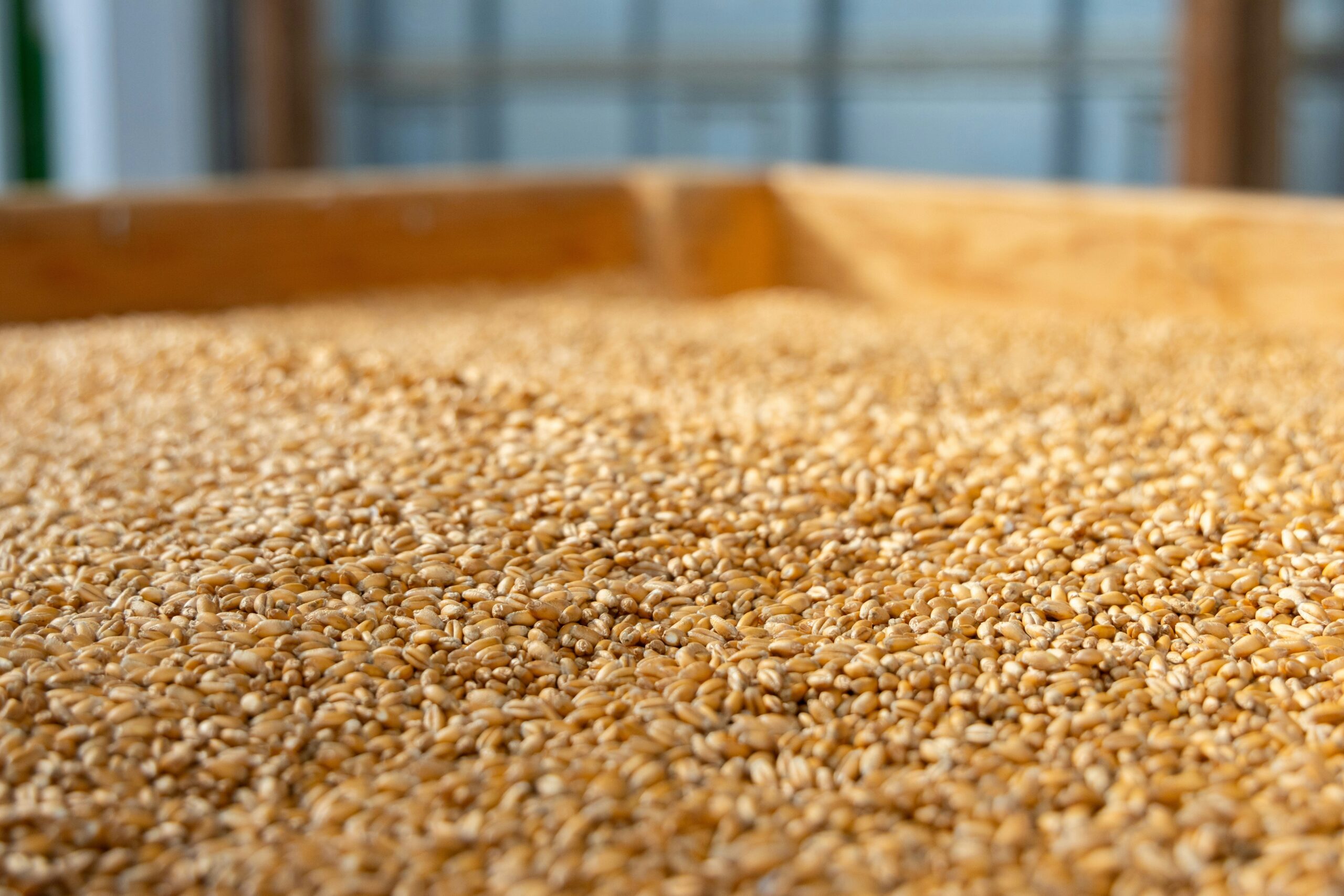
- Wheat Malt: 1.5 kg (3.3 lb) — Briess Wheat Malt (affiliate link) or equivalent. Wheat contributes body, head retention, and the characteristic slight haze. Berliner weisse should be wheat-forward but not overwhelming.
Total grain bill: 3.5 kg (7.7 lb)
Hops
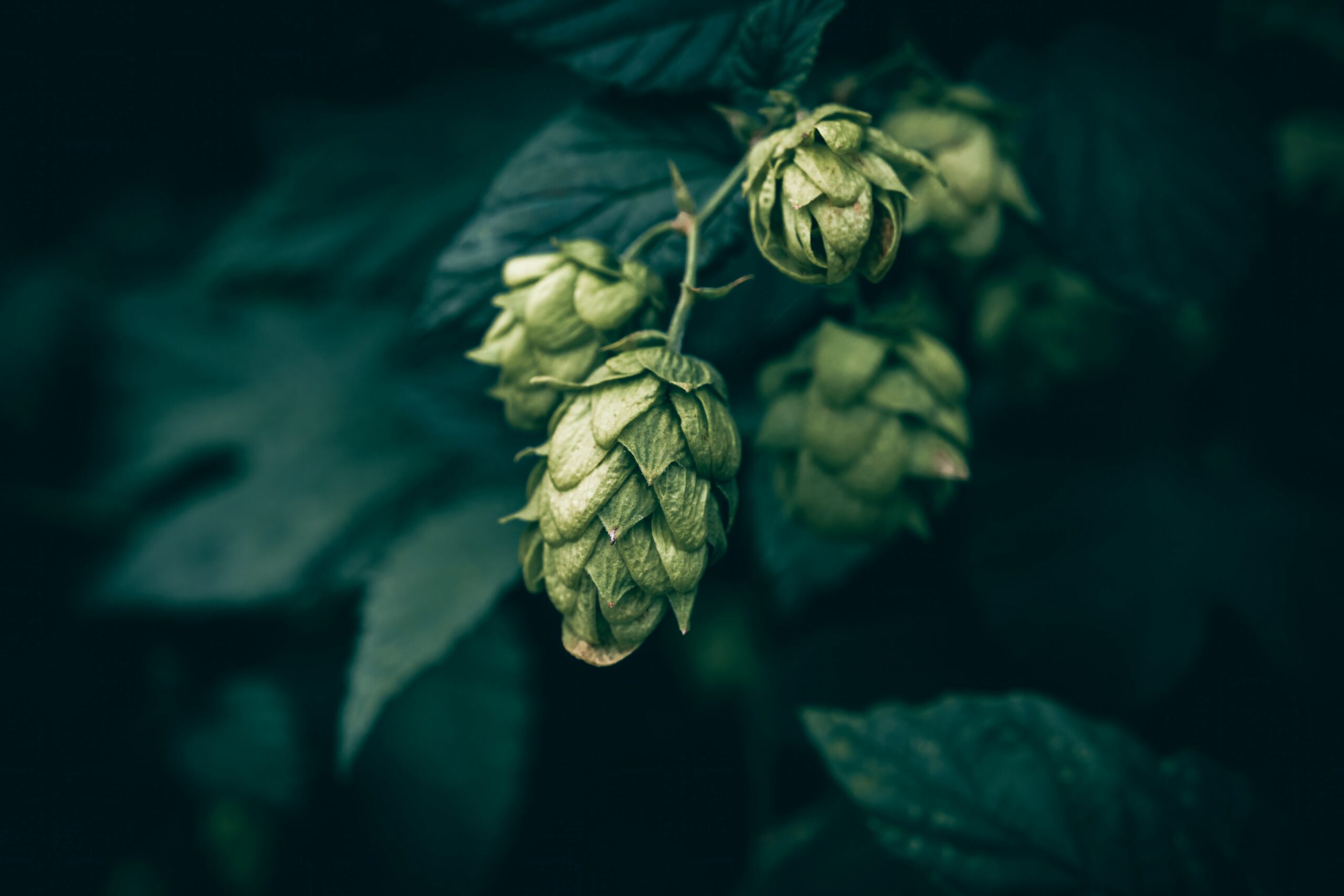
- Hallertau Mittelfrüh: 10 g (0.35 oz) — Added at 60 minutes into the initial boil. This is a noble hop that contributes minimal bitterness while honoring the traditional German character of the style. Use Hallertau Mittelfrüh pellets (affiliate link) for consistency.
Note: Iso-alpha acids from hops can inhibit Lactobacillus activity during souring. A short boil and low bittering rate preserve bacterial vigor.
Bacteria / Souring Agent
Choose one of the following — do not use more than one:
- Lallemand WildBrew Sour Pitch (European Lactobacillus plantarum) — Reliable, documented strain with consistent souring rates. This is the preferred choice for most homebrewers seeking predictable results. WildBrew Sour Pitch (affiliate link)
- GoodBelly Probiotic Juice (US-available Lactobacillus plantarum) — An accessible alternative if specialized brewing cultures are unavailable. Use 500 ml (17 oz) of the liquid product per batch.
- Probiotic Capsules (global fallback) — If neither specialized product is available, food-grade Lactobacillus plantarum capsules (typically 5–10 billion CFU per capsule) can work. Open 2–3 capsules, suspend in sterile water, and pitch into cooled wort. This method carries higher risk of contamination and variable results.
Yeast
Choose one of the following — not both:
- Wyeast 1007 German Ale (similar to SafAle S-04) — A clean, neutral ale yeast that allows tartness and grain character to shine. Recommended for most brewers. Wyeast 1007 (affiliate link)
- Lallemand Nottingham Ale Yeast — A highly attenuative option that produces a drier final product with subtle fruity notes. Use this if you prefer a more complex, flavorful final product. Lallemand Nottingham (affiliate link)
Equipment
Standard all-grain brewing equipment is required, plus these specific tools for kettle souring:
- pH Meter — Milwaukee or Hanna digital pH meter (affiliate link) with ±0.1 accuracy. Essential for monitoring the souring process and ensuring safety. Aim for pH 3.2–3.5 before boiling post-sour.
- Purging System — A length of tubing and CO₂ source (even a basic fermentation airlock setup can work) to purge the wort headspace with CO₂ before souring. This prevents acetic acid bacteria contamination and off-flavors, though the primary safety mechanism against Clostridium botulinum is acidification to pH below 4.6.
- Thermometer — A reliable dial or digital thermometer (Thermoworks Thermapen (affiliate link)) to verify mash and souring temperatures.
- Heating Element or Heat Strip — To hold the kettle at 37°C (98°F) during souring. A Brew Belt heating pad (affiliate link) or oven with a reliable temperature control works well.
- Sanitizer — Star San or Iodine-based sanitizer (affiliate link) for all surfaces contacting the wort during souring.
How to Brew Berliner Weisse Beer: The Process Step by Step
1. Mash
Combine your crushed grain with 15 liters (4 US gallons) of water at 65°C (149°F) to establish a mash temperature of 63–65°C (145–149°F). Maintain this temperature for 75 minutes. This beta-amylase-friendly temperature produces a fine, clear wort and modest fermentability. Stir after 15 and 45 minutes to prevent channeling and ensure even enzyme activity.
Why: Berliner weisse relies on a slightly higher final gravity to balance acidity. A single infusion mash at 63–65°C achieves this naturally without complex step-mashing.
2. Lauter and Sparge
Raise the mash temperature to 68–70°C (154–158°F) over 10 minutes (mash-out), then run off into your kettle, collecting about 25 liters (6.6 US gallons) of wort at a steady pace. Once the first runnings are collected, sparge slowly with 68°C (154°F) water, continuing until you have 23 liters (6.1 US gallons) in the kettle.
Why: Sparging at a slightly elevated temperature prevents stuck mashes and extracts the full potential of your grain bill while minimizing tannin extraction that could interfere with souring bacteria.
3. Initial Boil (Pre-Sour)
Bring your wort to a rolling boil and boil for 10 minutes. This brief boil removes unwanted volatile compounds and stabilizes the wort without driving off all hop character. Add your 10 g (0.35 oz) of Hallertau Mittelfrüh at the start of the boil.
Why: A short boil minimizes iso-alpha acid formation, which can inhibit Lactobacillus plantarum activity. We’re not aiming for bitterness integration here — just flavor stability.
After the 10-minute boil, stop the heat and allow the wort to cool to 37°C (98°F). This takes 45–60 minutes in a typical pot with passive cooling; use an immersion chiller to speed this up to 15–20 minutes if you have one.
4. Kettle Souring (The Key Step)
Once the wort has cooled to 37°C (98°F), take a pH reading. Typical unbuffered wort runs 5.5–6.0.
Purge the headspace: Using your CO₂ source, gently bubble CO₂ through the wort for 2–3 minutes or pass CO₂ over the surface to displace oxygen. This prevents acetic acid bacteria contamination and off-flavors. The primary safety mechanism against Clostridium botulinum is acidification to pH below 4.6.
Pitch your souring culture: Add your prepared Lactobacillus inoculum (Lallemand WildBrew, GoodBelly, or probiotic capsules) directly into the wort. Stir gently.
Hold temperature: Place the covered kettle on your heating element or Brew Belt and hold at 37–40°C (98–104°F) for 24–48 hours. Longer souring = more sour; check pH every 12 hours if possible.
- At 24 hours, expect pH 3.5–4.0
- At 36 hours, expect pH 3.0–3.5
- At 48 hours, expect pH 2.8–3.2
Why: Lactobacillus plantarum is a facultative anaerobe, meaning it tolerates but doesn’t require oxygen. It thrives at warm, slightly acidic conditions and produces lactic acid as a byproduct of carbohydrate fermentation. The target pH of 3.2–3.5 indicates sufficient acid production to inhibit unwanted microbes and deliver the characteristic tartness while remaining balanced.
You’ll notice the wort may develop a thin, white pellicle (a protective layer) on the surface — this is normal and harmless. If you see mold (fuzzy, colored, or powdery growth), discard the batch.
Once you reach pH 3.2–3.5, proceed immediately to the post-sour boil.
5. Post-Sour Boil
Return the kettle to heat and bring the soured wort to a rolling boil for 10 minutes. This boil serves two critical functions:
- Stops souring: Heat kills Lactobacillus cells, halting acid production.
- Stabilizes flavor: Brief boiling ensures microbial stability without driving off hop character or introducing off-flavors.
After the boil, cool the wort again to 20°C (68°F) using an immersion chiller or ice bath. This usually takes 20–30 minutes with an immersion chiller.
Why: Killing the bacteria ensures the final product is microbiologically stable and safe. Residual lactic acid remains intact, providing the sour character you’ve cultivated.
6. Fermentation
Once cooled to 20°C (68°F), transfer the wort to a sanitized fermentation vessel and take a gravity reading (should be around 1.030–1.034 OG). Aerate the wort by splashing or using an aeration stone for 60 seconds.
Pitch your chosen ale yeast (Wyeast 1007 or Lallemand Nottingham) at the manufacturer’s recommended rate. At this low gravity, a single pack provides adequate cell counts for a clean fermentation. The cool fermentation temperature is what keeps esters minimal.
Ferment at 18–20°C (64–68°F) for 7–10 days until gravity reaches 1.003–1.005. You’ll see vigorous krausen within 24 hours and steady fermentation through day 5.
Why: A cooler fermentation temperature keeps esters and phenolics minimal, letting the tartness and grain character lead.
7. Packaging
Once fermentation is complete (check gravity on consecutive days — if FG hasn’t changed in 48 hours, you’re done), transfer to a bottling bucket or keg.
For bottles: Add approximately 6–7 g (0.21–0.25 oz) of dextrose per liter of beer — or 120–140 g (4.2–4.9 oz) per 20-liter batch — dissolved in 200 ml (6.8 oz) of boiling water and cooled. This creates approximately 2.5 volumes of CO₂. Consult a priming calculator for precision. Mix gently, bottle, and cap.
For kegs: Carbonate to 2.5–3.0 volumes using a regulator set to 10 psi (0.7 bar) at 4°C (39°F) over 2 weeks, or “fast-carb” at 30 psi (2 bar) for 24 hours.
Bottle condition at 18–20°C (64–68°F) for 2–3 weeks. The beer will develop a gentle spritzy carbonation and may throw a light sediment from residual yeast. Serve cold at 8–10°C (46–50°F) in a tall glass.
Why: Low carbonation levels (2.5–3.0 volumes) suit the delicate, slightly tangy character of berliner weisse. Over-carbonation masks acidity and can create an uncomfortable sharpness.
Recipe Summary
| Item | Metric | US |
|---|---|---|
| Pilsner Malt | 2.0 kg | 4.4 lb |
| Wheat Malt | 1.5 kg | 3.3 lb |
| Hallertau Mittelfrüh (60 min) | 10 g | 0.35 oz |
| Lactobacillus Culture | 1 pack | 1 pack |
| Ale Yeast | 1 pack | 1 pack |
| Dextrose (priming) | 120–140 g | 4.2–4.9 oz |
| Target OG | 1.030–1.034 | — |
| Target FG | 1.003–1.005 | — |
| Target ABV | 3.5–4.0% | — |
| Batch Size | 20 liters | 5.3 US gallons |
Troubleshooting
Souring stopped before reaching target pH
If pH stalls above 3.5 after 36 hours, your Lactobacillus may be stressed or overstressed by residual iso-alpha acids. Check that your boil time was truly 10 minutes and your hops were measured correctly. If restarting, consider using half the hops next time, or try a different souring culture. Some batches simply work better with specific strains.
Wort tastes vinegary or develops acetic notes
Acetic acid comes from acetic acid bacteria (AAB), not lactic acid bacteria. This indicates oxidation or contamination. Ensure your CO₂ purge was thorough and your covers were clean. For future batches, cover the kettle loosely with plastic wrap and purge again before pitching bacteria. Vinegary beer is not dangerous but is off-flavor.
Beer finished too dry or too sweet
If FG is below 1.002, your yeast attenuated too aggressively — consider using less yeast or a less attenuative strain next time (German Ale is less attenuative than Nottingham). If FG is above 1.006, your yeast stalled, possibly from pH stress. In future batches, ensure fermentation temperature stays at 18–20°C (64–68°F) and pitch adequate yeast.
Excessive sediment or haze persists after conditioning
A small sediment is normal in bottle-conditioned beer. If haze remains after 3 weeks, it may indicate residual Lactobacillus cells or protein break. This is not dangerous but reduces clarity. Cold-condition bottles at 4°C (39°F) for 1 week post-carbonation to help yeast and proteins settle.
Beer is flat or barely carbonated
Ensure your priming rate was 6–7 g per liter, your dextrose was fully dissolved before mixing, and bottles stayed at 18–20°C (64–68°F) for the full 2–3 weeks. Confirm your caps sealed properly. If using kegs, verify regulator pressure and that the keg lid sealed fully.
Final beer lacks the expected tartness
If souring reached pH 3.5 but the beer tastes mild, check that your pH meter is calibrated correctly (calibrate at 4.0 and 7.0 buffers monthly). Confirm the post-sour boil actually killed the bacteria — if you cooled too quickly or didn’t reach a full boil, souring may have continued in the fermentor. For future batches, hold a full rolling boil for the full 10 minutes.
Variations to Try
Fruit Addition (Raspberry or Blackcurrant)
Add 200–300 g (7–10.5 oz) of frozen or puréed fruit per 20-liter batch into the fermentor after primary fermentation is complete. Let sit 5–7 days, then rack to a secondary vessel or straight to packaging. Fruit adds complexity and can soften perceived acidity, creating a more approachable sour ale.
Herbal Twist (Coriander and Chamomile)
Add 5 g (0.18 oz) of crushed coriander seeds and 3 g (0.11 oz) of dried chamomile to the post-sour boil for the final 5 minutes. This echoes historical Berlin brewing traditions and adds a subtle floral note that pairs well with the tartness.
Higher Gravity (Session Berliner to Full Berliner)
Increase Pilsner Malt to 2.5 kg (5.5 lb) and Wheat Malt to 2.0 kg (4.4 lb), adjusting strike water and sparge volumes accordingly to reach an OG of 1.040–1.045. The same souring and fermentation timeline applies, but the final beer will be more complex and more food-friendly — closer to a full-strength Weizen in body.
Dry-Hopped Berliner Weisse
After primary fermentation is complete, dry-hop with 20 g (0.7 oz) of noble hops (Hallertau or Tettnang) in a sanitized mesh bag for 5–7 days. Remove before bottling. This adds subtle citrus or herbal notes without excessive bitterness, creating a modern twist on the classic.
Honey Finish
Replace 200 g (7 oz) of your Pilsner Malt with honey malt, or add 200 g (7 oz) of honey to the fermentor after primary fermentation is 75% complete. The honey softens acidity and adds subtle sweetness, creating a rounder, more food-friendly final product.
Explore More
Want to understand the roots of this style? Read What is Berliner Weisse Beer? The Complete Style Guide → for the history, geography, and evolution of this Berlin classic.
Planning your next meal? Consult our Berliner Weisse Beer Food Pairing Guide → for specific pairing recommendations and flavor combinations that highlight this beer’s unique tartness and delicate body.
Brew Cartographer explores the history, geography, and craft of rare and forgotten beer styles. Subscribe to our newsletter for new expeditions every week.
Join The Dispatches — new expeditions, brew guides, and food pairings delivered when something worth reading goes live. No noise, no frequency targets. Sign up here →
Brew Cartographer explores the history, geography, and craft of rare and forgotten beer styles.