Berliner Weisse beer food pairing opens a territory of bright, refreshing combinations that feel almost impossible to get wrong. This tart wheat ale from Berlin carries a delicate tartness, fine carbonation, and low alcohol that make it one of the most food-friendly styles in the beer world—yet many drinkers overlook it in favor of heavier styles. Unlike its Bavarian wheat beer cousins, Berliner Weisse demands fresh, vibrant foods that match its clean acidity and gentle yeast character. When you understand how this beer interacts with dishes, you’ll find yourself reaching for it again and again at the table.
Affiliate disclosure: This article contains affiliate links. If you purchase through these links, Brew Cartographer earns a small commission at no extra cost to you.
Getting oriented: What is Berliner Weisse Beer? The Complete Style Guide → and How to Brew Berliner Weisse Beer at Home →
The Flavor Principles Behind Berliner Weisse Pairing
Berliner Weisse operates under a completely different set of pairing rules than most beers you know. Its defining characteristics—acidity, effervescence, delicate body, and subtle fruity notes—require a different approach than IPAs or stouts.
Acidity is the primary axis. This beer’s tartness comes from lactic acid fermentation, with the characteristic acidity developing primarily during the fermentation process itself. That acidity cleanses the palate like a crisp white wine, cutting through fatty and rich foods with surgical precision. When you pair Berliner Weisse with something acidic itself—a vinaigrette, a ceviche, a tart fruit—the two flavors don’t compete; they share common ground and amplify each other’s brightness.
Carbonation becomes a textural partner. The fine, persistent carbonation in Berliner Weisse (typically 2.8-3.5 volumes of CO2) acts as a palate refresher between bites. It’s not aggressive like a high-carbonation pilsner; it’s refined and delicate. This carbonation pairs beautifully with foods that benefit from a crisp interlude—shellfish, cold salads, fresh cheeses—because it doesn’t overpower delicate flavors.
Low alcohol allows layered, nuanced pairings. At 2.8-3.8% ABV, Berliner Weisse won’t numb your palate or overwhelm subtle flavors. This means you can pair it with foods that would be steamrolled by a 7% IPA. Delicate fish, fresh herbs, light vegetables—these all shine alongside this beer because it steps back and lets them lead.
Subtle esters and phenolics add complexity without domination. The yeast produces a very clean, almost neutral profile in this style. While the traditional yeast character can contribute extremely subtle notes of banana and clove in some examples, these are whispers so faint they’re nearly imperceptible—far more restrained than what you’d find in Bavarian Hefeweizen. This restraint means the beer acts as a bridge between components rather than demanding to be the star of every bite, with the tartness and acidity remaining the dominant sensory character.
Oysters and Fresh Shellfish — The Canonical Pairing
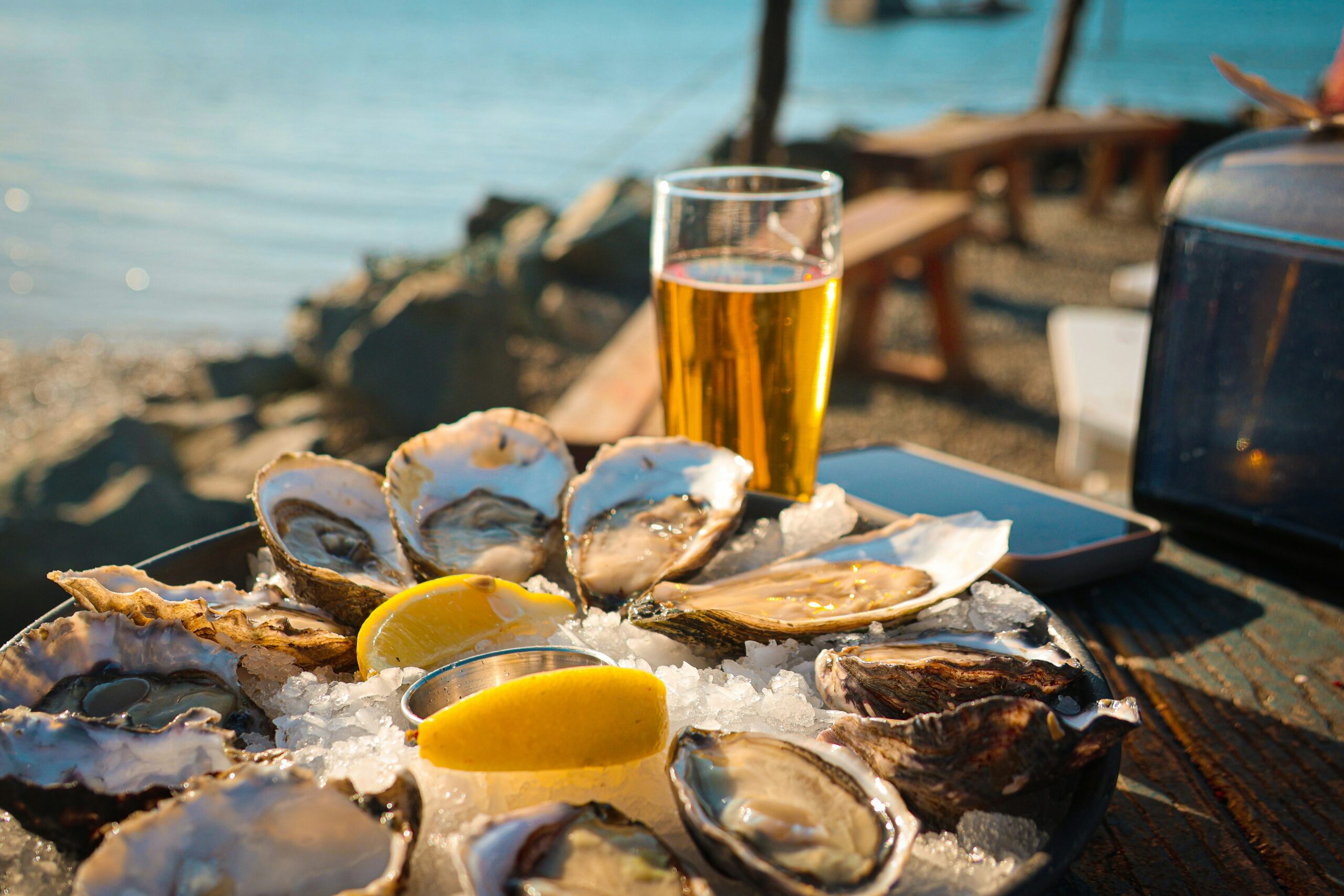
If Berliner Weisse has a soulmate in the food world, it’s oysters. The common ground between a briny, mineral oyster and this tart, delicate beer is almost uncanny: both offer cleanliness, subtle complexity, and a cooling sensation that refreshes rather than fills. The beer’s acidity mirrors the oyster’s salinity, while the carbonation keeps your palate alert for the next bite.
Serve oysters raw on the half shell with just a squeeze of lemon, and watch how the Berliner Weisse enhances every note of minerality. The pairing works through contrast and mirror: the beer’s tartness contrasts with the oyster’s briny sweetness, while the carbonation mirrors the oceanic texture. Try this with Kusshi, Malpeque, or Shigoku oyster varieties—the sweeter, buttery varieties from clean waters play especially well against the beer’s acidity.
Littleneck clams steamed with white wine and garlic are equally stellar. The garlic brings savory depth, the wine brings acidity (matching the beer), and the clam brings that same briny, cooling quality as oysters. Berliner Weisse steps into the role of bridge, tying all three elements together while adding its own gentle complexity.
Light Fish and Ceviche — Brightness Meets Brightness
This is where Berliner Weisse truly shines. Fresh, raw, or lightly cooked fish in acidic preparations find their perfect match in this beer. The mechanism here is mirror: acidic food with acidic beer, both light and refreshing, both allowing delicate flavors to emerge.
Ceviche—lime-cured raw fish with cilantro, red onion, and chile—is perhaps the easiest food pairing to execute with Berliner Weisse. The lime juice in the ceviche and the tartness of the beer occupy the same flavor territory. Add some fresh jalapeño heat, and the beer’s carbonation becomes a cooling agent that softens the spice while allowing it to sing. Try this with white fish ceviche: halibut, flounder, or mahi-mahi, dressed with lime, cilantro, and a touch of Serrano chile.
Crudo (thinly sliced raw fish dressed simply with olive oil, lemon, and sea salt) pairs through contrast and bridge: the beer’s acidity contrasts with the richness of good olive oil, while the fish bridges both elements. A plate of halibut crudo with Meyer lemon, fleur de sel, and a turn of pepper becomes a study in restraint and elegance alongside Berliner Weisse.
Poached or steamed cod with a white wine and herb sauce (tarragon, chervil, dill) works as well. The beer doesn’t compete with the delicate fish or the herbal sauce; instead, it acts as a palate refresher between bites, allowing you to taste each component fully. The acidity in both beer and wine create a harmonic relationship that highlights rather than obscures.
Salads with Vinaigrette — The Unexpected Territory
Most beers shy away from vinaigrette-dressed salads—the acidity can make beer taste thin or unpleasant. Berliner Weisse, however, is made for this exact pairing. Its own acidity means it thrives alongside vinegar-based dressings rather than diminishes.
A simple arugula salad with sherry vinaigrette, shaved Parmigiano-Reggiano, and toasted pine nuts becomes luxurious with Berliner Weisse. The mechanism is mirror: acidic vinaigrette with acidic beer, the peppery arugula with the beer’s subtle yeast character, the nutty cheese with the beer’s gentle grain sweetness. The carbonation keeps your palate bright through every bite.
Frisée aux lardons—bitter frisée lettuce with warm bacon fat vinaigrette and a soft-cooked egg—hits on multiple pairing mechanisms at once. The contrast comes from the warm bacon fat against the cool, crisp beer. The mirror appears in the acidic vinaigrette. The bridge is the soft yolk, whose richness the beer’s acidity cuts through perfectly. The bitterness of the frisée echoes the beer’s subtle hop bitterness, creating a coherent whole.
A Cobb salad variation with romaine, avocado, blue cheese, bacon, and a lime-cilantro vinaigrette becomes refreshing and balanced. The richness of avocado and blue cheese finds restraint in the beer’s acidity and low alcohol, while the lime-cilantro notes create common ground with the beer’s subtle herbaceous character.
Sour and Fermented Foods — Mirror Territory
Here’s where you unlock advanced pairing: matching Berliner Weisse with other sour, fermented foods. These pairings work through mirror—both beer and food share tartness and complex fermentation notes.
Sauerkraut (whether as a side dish or as a topping for sausage) is natural territory. The lactic acid in both beer and sauerkraut creates a harmonic flavor relationship. A simple plate of grilled kielbasa with a generous mound of fresh sauerkraut becomes elevated when paired with Berliner Weisse; the beer doesn’t compete with either component but rather amplifies their interplay.
Kimchi, with its funky fermentation, spice, and acidity, mirrors the beer’s tartness while providing contrast through heat. Bibimbap with kimchi, a soft egg yolk, and sautéed vegetables becomes a full meal that Berliner Weisse supports without overwhelming. The beer cools the spice, refreshes the palate between bites, and harmonizes with the kimchi’s acidity.
Pickled vegetables of any kind—pickled beets, pickled onions, pickled green tomatoes—find their match in Berliner Weisse. The tartness mirrors directly, the acidity cleanses, and the carbonation brightens.
Light Cheeses and Fresh Dairy — Bridge and Contrast
While most sour beers clash with cheese, Berliner Weisse has enough delicate flavor to work as a bridge between cheese and other components, or as a contrast to creamy richness.
Fresh mozzarella with heirloom tomatoes, basil, and balsamic reduction becomes refined alongside Berliner Weisse. The beer’s acidity mirrors the tomato’s brightness and the balsamic’s tartness. The carbonation cuts through the cheese’s richness without overpowering it.
Chèvre (fresh goat cheese) with sliced peaches and a drizzle of honey works through contrast and bridge: the beer’s tartness contrasts with the cheese’s tang and the honey’s sweetness, acting as a bridge that ties all three elements together. The subtle fruit notes in the beer echo the peach, creating a coherent flavor narrative.
Ricotta with fresh herbs (dill, mint, chives) served on crostini finds its match in Berliner Weisse. The herb-forward richness of the cheese becomes lighter when paired with the beer’s acidity and fine carbonation.
What to Avoid — The Failed Territory
Understanding what doesn’t work teaches you as much as what does.
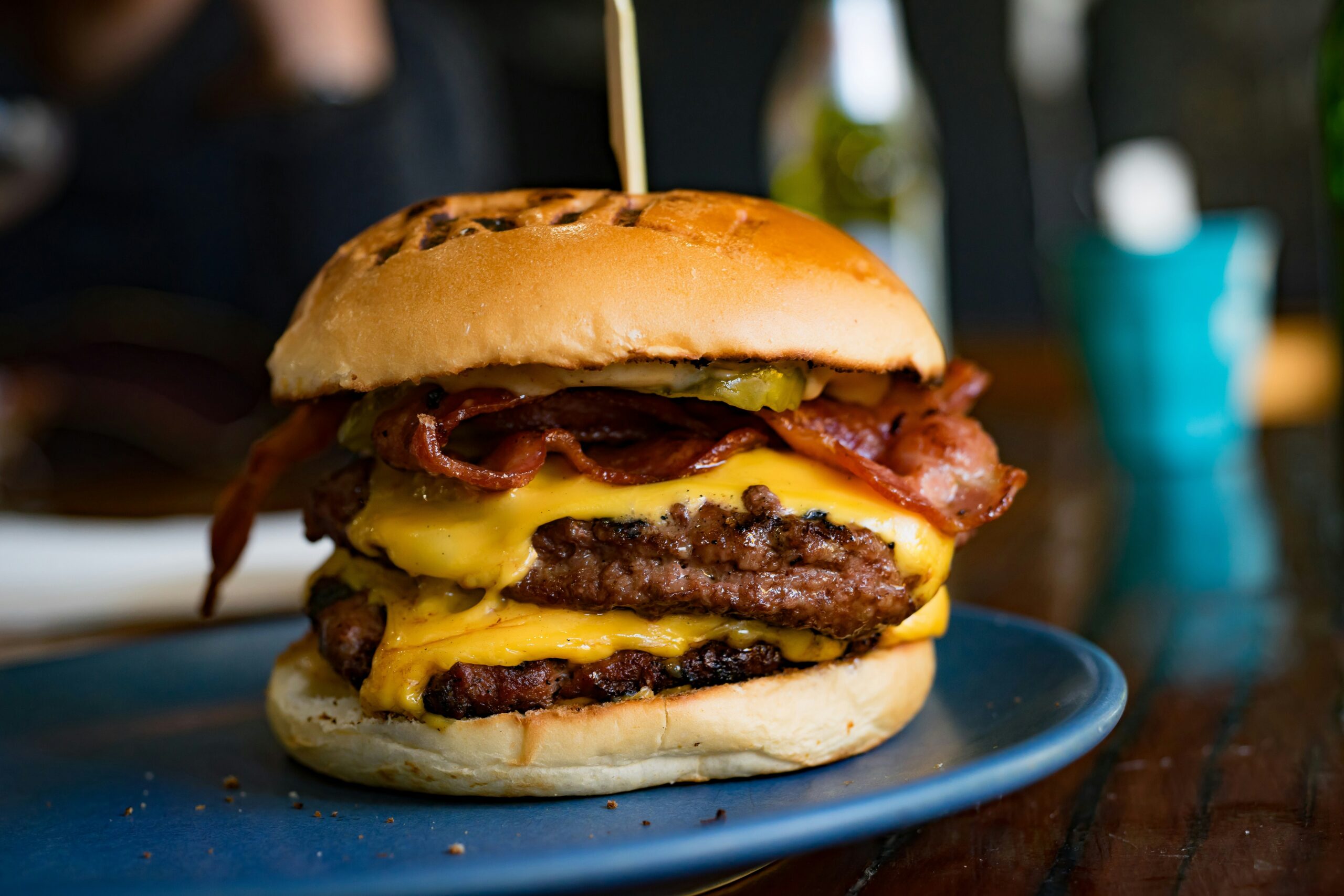
Rich, fatty dishes struggle. While Berliner Weisse’s acidity cuts through fat conceptually, the beer’s low alcohol and delicate body mean it lacks the assertiveness to genuinely cleanse or stand up to dishes like beef short ribs, duck confit, or foie gras. These foods need a beer with more weight and presence. The beer becomes invisible or, worse, thin and insubstantial.
Heavily charred or smoky foods overshadow the beer’s subtlety. Smoked brisket, charred steaks, and anything with significant char dominate Berliner Weisse rather than complement it. The beer’s delicate grain and yeast character simply disappear. Save bigger beers for this territory.
Desserts with heavy chocolate or caramel. While some sources suggest pairing sour beers with dessert, Berliner Weisse isn’t the one for chocolate cake or salted caramel anything. The beer’s tartness against rich, sweet desserts creates a conflict rather than a partnership. Light, fruit-forward desserts (lemon curd tart, raspberry sorbet, strawberry shortcake) work far better.
Dishes with pungent, funky cheeses. While Berliner Weisse handles fresh cheeses well, pungent blue cheese, aged Limburger, or heavily funky washed-rind cheeses overpower and clash with the beer’s delicate fermentation character. The competing funk is unpleasant rather than harmonious.
Spicy curry or extremely hot foods. While the beer cools, its low alcohol means it can’t truly soothe serious heat. The beer becomes overwhelmed and loses all identity. Medium heat works; Thai curry with coconut and lime is fine. Vindaloo or ghost pepper anything is a mistake.
Berliner Weisse and Spring/Summer Cuisines — The Seasonal Case
This beer is inseparable from warm-weather eating. Its low alcohol and refreshing character make it feel restorative on hot days, which is when these lighter, fresher foods become appealing anyway.
Spring vegetables are ideal territory. Asparagus (grilled, roasted, or simply blanched with hollandaise), fresh peas with mint butter, baby carrots with herb dressing—these seasonal ingredients shine alongside Berliner Weisse because the beer doesn’t mask their delicate flavors. The acidity in the beer mirrors the slight bitterness in young spring greens, creating natural harmony.
Summer stone fruit and herbs define the seasonal angle. Poached halibut with peach salsa and fresh tarragon. Grilled white fish with a blackberry-lime gastrique. These combinations work because the beer’s subtle fruit notes echo the fruit in the dish, while the acidity anchors everything. The herbs in the food find common ground with the beer’s phenolic notes.
Light, bright seafood preparations are the summer staple. Raw or cured fish, seafood ceviches, cold salads with shrimp or crab—these are the dishes Berliner Weisse was designed to accompany. The beer feels necessary, not optional, because it refreshes between bites in ways still water simply cannot.
Building a Berliner Weisse Pairing Menu
Imagine a three-course meal built entirely around this beer’s strengths:
First course: A single raw oyster per guest with a small mignonette (shallot, red wine vinegar, cracked pepper) and a glass of Berliner Weisse. The oyster sets the stage for acidity and minerality; the beer confirms the direction.
Second course: Halibut crudo with Meyer lemon, fleur de sel, and a fine olive oil, alongside a small frisée salad with Dijon vinaigrette and a soft-cooked egg. The beer becomes essential here, refreshing the palate between the raw fish and the warm yolk, cutting through the oil, and creating harmony with both acidic elements.
Third course: Poached or barely seared scallops with a beurre blanc infused with fresh dill and a squeeze of lemon, served alongside early-summer asparagus. The richness of the butter sauce becomes restrained alongside the beer’s acidity; the delicate scallop flavor remains prominent because the beer steps back.
This menu requires nothing heavy, nothing rich enough to overwhelm, and nothing so spiced or funky that it obscures the beer. Instead, every component lets Berliner Weisse shine as a critical part of the table.
How to Serve Berliner Weisse Beer
Serving temperature: 45–50°F (7–10°C)
This range keeps the beer crisp and carbonated without numbing the delicate flavors. Too cold, and you lose the subtle esters; too warm, and the tartness becomes sharp rather than refined. If serving in a warm season, aim toward the cooler end.
Glassware:
Traditional: The Berliner Weisse goblet, or Weissbierschale, is the historical and distinctive glassware for this style. This wide bowl-shaped goblet, dating to the early 1900s and inspired by Champagne coupes, was designed specifically for Berliner Weisse, which was once called “the Champagne of the North.” The wider bowl allows the beer’s fine carbonation and delicate aroma to emerge while preventing the acidity from concentrating at your nose. The stem keeps your hand’s warmth away from the beer. Avoid Weizen glasses entirely—they’re designed for denser wheat beers with higher alcohol and more pronounced yeast character; they concentrate Berliner Weisse’s subtlety into something thin and uninviting.
Modern alternative: A white wine glass or even a coupe works well. The Riedel Ouverture White Wine Glass serves beautifully in this capacity. The principle is the same: adequate surface area for aroma, stem to protect temperature, and a shape that doesn’t concentrate the beer’s tartness. Libbey Modern Coupe Glasses are also affordable and elegant alternatives.
What to avoid: Pilsner glasses (too narrow, concentrates acidity), Weizen glasses (too tall and curved, amplifies thin character), and pint glasses (completely inappropriate—they’re utilitarian and prevent aroma and carbonation from developing properly). Never serve Berliner Weisse in a regular drinking glass or mug.
Pouring: Pour slowly and deliberately to preserve carbonation. Angle the glass at 45 degrees as you pour, allowing the beer to glide down the side. As the glass fills and aroma develops, gradually straighten the glass to upright. You want roughly a finger’s width of head—not a tower, not nothing, but enough to capture aroma without excessive foam.
Explore More
Brew Cartographer explores the history, geography, and craft of rare and forgotten beer styles. Subscribe to our newsletter for new expeditions every week.
Join The Dispatches — new expeditions, brew guides, and food pairings delivered when something worth reading goes live. No noise, no frequency targets. Sign up here →
Brew Cartographer explores the history, geography, and craft of rare and forgotten beer styles.