Kentucky Common beer food pairing opens a direct line to American saloon culture—a straightforward style built to accompany working-class meals and honest flavors. This dark amber lager, born in Louisville’s brewing tradition, speaks the language of comfort food: gentle malt sweetness, a whisper of corn character, and enough dark fruit and caramel notes to complement rich, savory dishes without overpowering them. Whether you’re exploring forgotten beer styles or simply looking for a beer that pairs naturally with barbecue, smoked meats, and Southern cuisine, Kentucky Common delivers both warmth and versatility.
This pairing guide maps the flavor territory of Kentucky Common and shows you exactly where the common ground lies between this historic beer and modern meals. We’ll explore the science behind why certain dishes shine alongside Kentucky Common, move through the classic pairings rooted in American cuisine, and finish with a complete serving guide to get the most from every pour.
What is Kentucky Common Beer? → | How to Brew Kentucky Common →
The Flavor Principles Behind Kentucky Common Pairing
Kentucky Common is a study in restraint—a beer that knows its role and plays it well. To understand its pairing potential, you need to understand what’s not happening in the glass. The bitterness is minimal (typically 20–27 IBU, with modern commercial examples often coming in at the lower end of that range), which means it won’t aggressively cut through fatty foods or create harsh contrasts with delicate proteins. Instead, the bitterness serves as a subtle accent, a reminder that this is beer and not soda.
The malt foundation is where the real pairing action lives. Kentucky Common layers together several malt characters simultaneously: a toasty, slightly roasty base (from dark malts), warm caramel sweetness (from crystal malts), and a grain-forward character from the corn adjunct that gives the style its historical identity. This combination creates a bridge between the beer and foods that share similar flavor notes—think caramelized edges, toasted grains, or the warm spice of sautéed vegetables.
The carbonation level is moderate, neither brisk nor flat. This matters more than most beer drinkers realize. That gentle fizz physically scrubs the palate between bites, lifting oils and fats that would otherwise coat your mouth. It’s a cleansing mechanism built into the beer itself, which is why Kentucky Common works so well with rich, fatty foods—it offers active palate reset without the aggressive acidity of a sour beer.
The corn component is subtle but significant. Corn in beer often brings a gentle sweetness and a slightly buttery or creamy mouthfeel. This isn’t aggressive corn flavor—it’s more like a whisper of corn bread or polenta. This creates natural common ground with corn-based dishes, making Kentucky Common exceptional with cornbread, corn chowder, or succotash. The beer recognizes itself in these dishes and they recognize it in return.
Alcohol by volume typically ranges from 4.0–5.5%, with most examples falling between 4.5% and 5.0%—moderate enough that warmth and burn never become distracting, yet substantial enough to provide a slightly drying finish. This drying finish is crucial: it prevents the beer’s sweetness from becoming cloying when paired with rich proteins or fatty cuts of meat.
Southern Comfort Food — The Classic Pairing
This is where Kentucky Common feels most at home, and for good reason. The beer was born in Kentucky saloons, poured into working hands after shifts, paired with whatever hearty food came through the kitchen. That heritage runs deep through every pairing.
Fried chicken is perhaps the definitive Kentucky Common pairing—the beer’s gentle carbonation cleanses the palate between bites of crispy, salty-savory chicken, while the malty sweetness and subtle corn character bridge directly to the flavoring in the beer batter itself. The low bitterness refuses to fight with the coating’s spice or richness. Country ham and hot biscuits with gravy work through a different mechanism: the beer’s caramel and roast notes mirror the toasty warmth of biscuits, while the malt sweetness complements salty-savory ham and rich gravy. This is a contrast-and-complement pairing where nothing clashes.
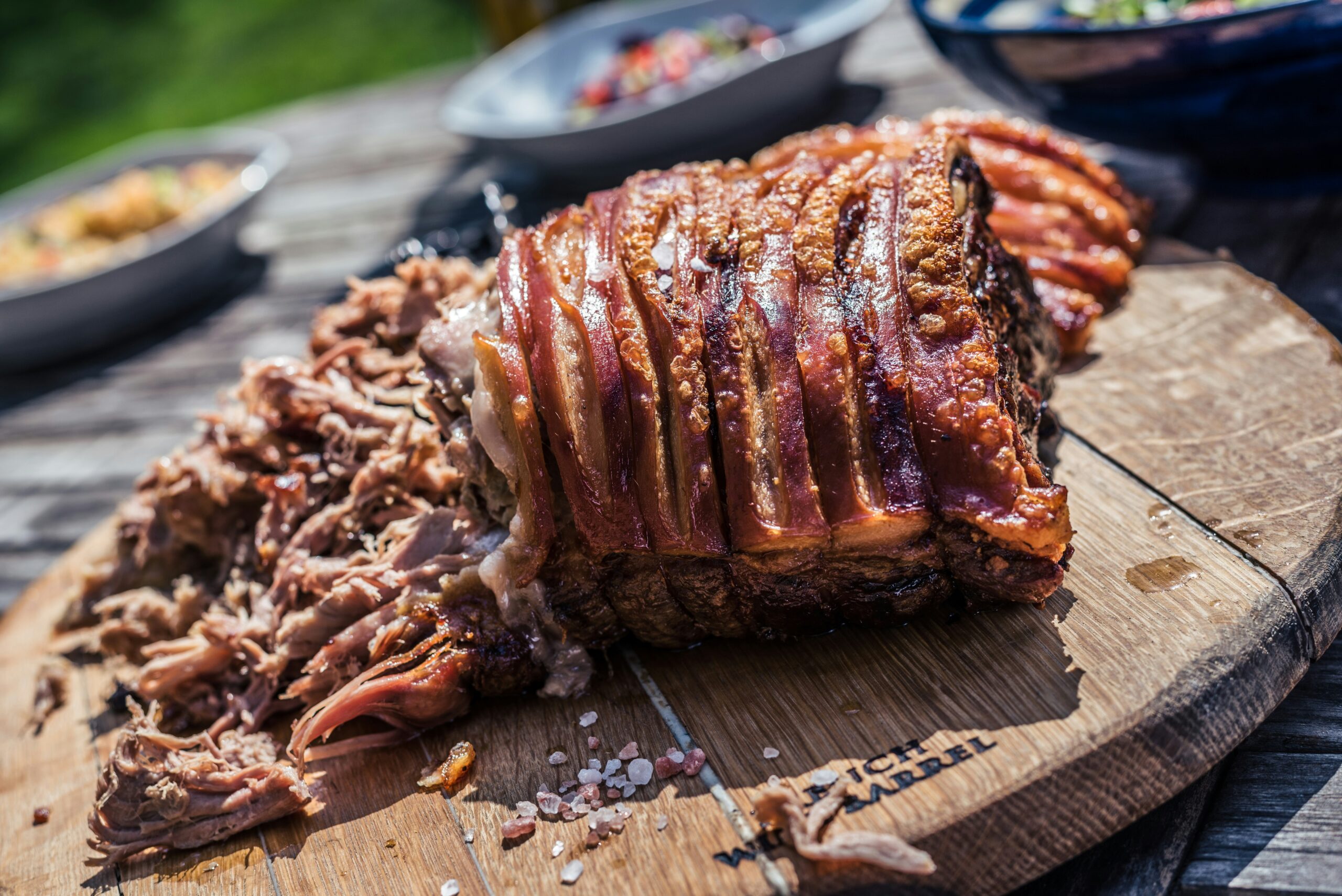
Pulled pork and regional BBQ represent Kentucky Common’s finest moment. The beer’s toasty character echoes the smoke from the pit, while its malt sweetness plays beautifully against smoky, umami-rich meat. The moderate bitterness won’t be amplified by the smoke (as a high-IBU IPA might be), and the carbonation works overtime to cleanse the palate between bites of rich, caramelized pork. Add a tangy, vinegar-forward BBQ sauce and the beer’s slight sweetness balances that acidity without becoming sickly.
Kentucky Common Beer Food Pairing: Broader Options
American BBQ and Smoked Meats
Beyond pulled pork, think brisket with a charred crust, smoked ribs glazed with molasses, or burnt ends with crispy edges. Kentucky Common excels here because smoke doesn’t overwhelm a low-IBU beer the way it can overwhelm lighter styles. The dark malts in Kentucky Common are already slightly smoky—they meet the food halfway. The caramel sweetness cuts through fat without aggressive acidity. Serve this beer as your second choice if you don’t have a brown ale or amber lager on hand.
Hearty Sandwiches and Pub Food
A roast beef sandwich with horseradish, a thick Turkey Club, a Reuben with crispy rye bread—Kentucky Common pairs naturally here. The beer’s body and malt character support substantial bread and proteins without getting lost. The carbonation is your ally, resetting between bites of mayo-rich or mustard-heavy sandwiches. This is also your beer for classic pub food: fish and chips (though not delicate white fish—see “What to Avoid”), steak frites, or chicken pot pie. The beer doesn’t dominate; it accompanies.
Mild Cheeses
Cheddar cheese, particularly aged cheddar with some sharpness, creates excellent common ground with Kentucky Common. The toasty, slightly caramel notes in the beer mirror the caramel notes in well-aged sharp cheddar. Gouda, Gruyère, and other semi-hard, slightly sweet cheeses also work. Skip very delicate cheeses (fresh mozzarella, ricotta) and skip extremely sharp or funky blues—the beer isn’t assertive enough to stand up to them, and they’ll make its malt character seem dull.
Corn-Based Dishes
This is where Kentucky Common’s corn adjunct shines. Cornbread with honey butter, corn chowder, succotash with butter and thyme, polenta with mushroom ragù—these dishes contain the same ingredient that shaped the beer itself. It’s a bridge pairing in its purest form. The beer recognizes its own grain in the food, and the result feels inevitable rather than clever. Even creamed corn or corn bread stuffing align with the beer’s flavor profile.
What to Avoid
Very delicate seafood. Flounder, sole, halibut, scallops—the malt structure in Kentucky Common overwhelms subtle fish flavors. The dark malt character will dominate and make delicate seafood taste like an afterthought. The exception: heartier fish like salmon or swordfish work fine, especially if they’re grilled or brushed with rich butters.
Highly spiced or very hot dishes. The low bitterness in Kentucky Common won’t fight back against chili heat, which means the heat can feel amplified rather than cut. Thai curries, vindaloo, intensely spiced jerk chicken—these are fights the beer can’t win. If you want to pair Kentucky Common with spice, keep it moderate and balanced with fat or cream.
Extremely acidic dishes. Acidic sauces and ceviche don’t have common ground with Kentucky Common. The beer isn’t acidic enough to bridge with these dishes, and the acid will make the malt sweetness seem cloying by comparison. Tomato-based sauces work in moderation, but don’t build your meal around vinegar or citric acid.
Complex, heavily spiced rubs or aggressive BBQ sauces. A simple smoke and salt rub on brisket? Perfect. A rub built on cumin, paprika, cinnamon, and five other spices? The complexity will cloud the beer’s straightforward character. Simple is better.
Rich cream sauces with garlic-forward preparation. Alfredo, béarnaise, or peppercorn cream sauce will make Kentucky Common seem thin and insufficient. The beer simply doesn’t have the body or acid to handle excessive richness without tasting like it’s struggling.
Kentucky Common and American Cuisine
Kentucky Common belongs to a specific moment in American food and beer history—the moment when working people drank beer not as a luxury but as daily sustenance. That heritage isn’t nostalgic window dressing; it’s built into the beer’s DNA. The style emerged in Louisville during a golden age of American brewing before Prohibition, and it was always meant to accompany simple, honest food: the things that sustained laborers, families, and saloon patrons.
This beer is fundamentally aligned with American comfort food in ways that imported styles simply aren’t. A Pilsner is technically versatile, but Kentucky Common belongs with pulled pork, fried chicken, and smoked brisket the way a wine belongs with its terroir. The beer carries Kentucky’s grain character, Louisville’s brewing tradition, and the memory of tavern meals into every pairing.
The Bourbon Trail’s presence in Kentucky adds another layer. While Kentucky Common predates the modern craft cocktail era, the spirit of that whiskey tradition—honest ingredients, straightforward flavor, warming character—runs parallel to the beer. If you’re building a Kentucky-centric meal or exploring regional American cuisine, Kentucky Common connects directly to that story.
A Seasonal Perspective
Kentucky Common is a year-round beer, but its pairing magic becomes most apparent in autumn and winter. This is comfort food season, when pulled pork, BBQ, and slow-cooked stews dominate tables. The beer’s warm malt character and gentle sweetness feel more aligned with the season than, say, a crisp Pilsner.
Spring and summer bring lighter appetites, but don’t shelve Kentucky Common entirely. Chilled and served with lighter fare—grilled pork chops, corn salads, smoked chicken—the beer still delivers. The trick is keeping the food substantial enough that the beer’s malt character doesn’t overwhelm. A grilled chicken breast isn’t quite right; a smoked chicken leg or thigh absolutely is.
Fall is the peak season. The new harvest brings fresh corn, squash, and hearty vegetables that align beautifully with Kentucky Common’s flavor profile. Thanksgiving offers an exceptional opportunity: Kentucky Common pairs wonderfully with turkey (especially if it’s brined or smoked), stuffing, sweet potatoes, and cranberry sauce. The beer’s caramel notes complement the sweetness of sweet potatoes and the acidity of cranberries without getting too clever about it.
Winter, particularly around the holidays, brings rich braises, smoked meats, and hearty casseroles—all of which align naturally with Kentucky Common. The beer’s moderate alcohol keeps you from feeling overheated in what might otherwise be a warming beer, and the carbonation handles even the richest winter meals without complaint.
How to Serve Kentucky Common Beer
Serving temperature: Kentucky Common is best served cool but not ice-cold—approximately 7–10°C (45–50°F). At this temperature, the malt character expresses itself fully without the grain flavors becoming muddled by excessive warmth. Avoid serving straight from the freezer (too cold suppresses flavor) or at room temperature (the subtle corn character and malt sweetness can become cloying). A standard refrigerator (4°C/39°F) is too cold; let the beer sit for five minutes after pouring, or pour it and let it warm slightly in the glass.
Traditional glassware: Kentucky Common was historically a saloon beer, served in simple vessels built for function rather than ritual. The American pint glass (also called a “shaker pint”) is the authentic choice—the working-class tavern glass of Kentucky Common’s era. This straight-sided, unpretentious glass holds a full pint, offers excellent head retention without fuss, and lets the beer’s color shine through. The simplicity is the point. Look for American Pint Glass in sturdy, durable glass built to survive a busy bar.
Modern alternative: If you want slightly better head retention and a more focused aroma, the nonic pint (a pint glass with a textured ridge positioned about one-quarter of the way down from the rim) or tulip pint (slightly tapered at the rim) works well. These glasses were designed to improve the drinking experience without abandoning the pint glass’s working-class ethos. Either Nonic Pint Glass or Tulip Pint Glass offer a subtle upgrade while honoring the beer’s heritage.
What to avoid: Do not serve Kentucky Common in a Weizen glass, snifter, or any heavily branded craft glass. These styles were designed for entirely different beer types. A Weizen glass is built for wheat beers with thick, creamy heads; using it for Kentucky Common makes the beer seem thinner and less impressive than it actually is. A snifter concentrates alcohol vapors and makes a moderate-ABV beer feel hot and aggressive. Stick with the pint glass or a simple tulip—let the beer do the work.
Pouring technique: Pour directly into the center of the glass at a slight angle, filling to about three-quarters full. Then straighten the glass and top off, letting the final pour create a finger-width of head. The moderate carbonation in Kentucky Common doesn’t produce the thick, mountainous head of a Weizen, but a proper head is still important—it protects the beer from oxidation and concentrates aromas toward your nose. Don’t over-pour trying to create head; let the carbonation do its job naturally.
Kentucky Common teaches a simple lesson: the best pairings are often the honest ones. This beer doesn’t demand complexity or clever flavor engineering. It asks only to sit alongside good food, to cleanse the palate, to warm you with the memory of saloon meals and honest work. When you pour a Kentucky Common and set it beside fried chicken, pulled pork, or a thick corned beef sandwich, something clicks into place. The beer finds its territory. The common ground is unmistakable.
Explore more: – What is Kentucky Common Beer? The Complete Style Guide → – How to Brew Kentucky Common Beer at Home →
Brew Cartographer explores the history, geography, and craft of rare and forgotten beer styles. Subscribe to our newsletter for new expeditions every week.
Join The Dispatches — new expeditions, brew guides, and food pairings delivered when something worth reading goes live. No noise, no frequency targets. Sign up here →
Brew Cartographer explores the history, geography, and craft of rare and forgotten beer styles.